
You have read a hundred of these
You’re not wrong. There’s a reason gardening advice often feels like a mix of wishful thinking and vague hope.
The truth is, plants don’t care if you ‘follow your heart’ or ‘trust the process.’ They care if you know when to water, how deep to plant, and why your zucchini keeps wilting before it even turns yellow.
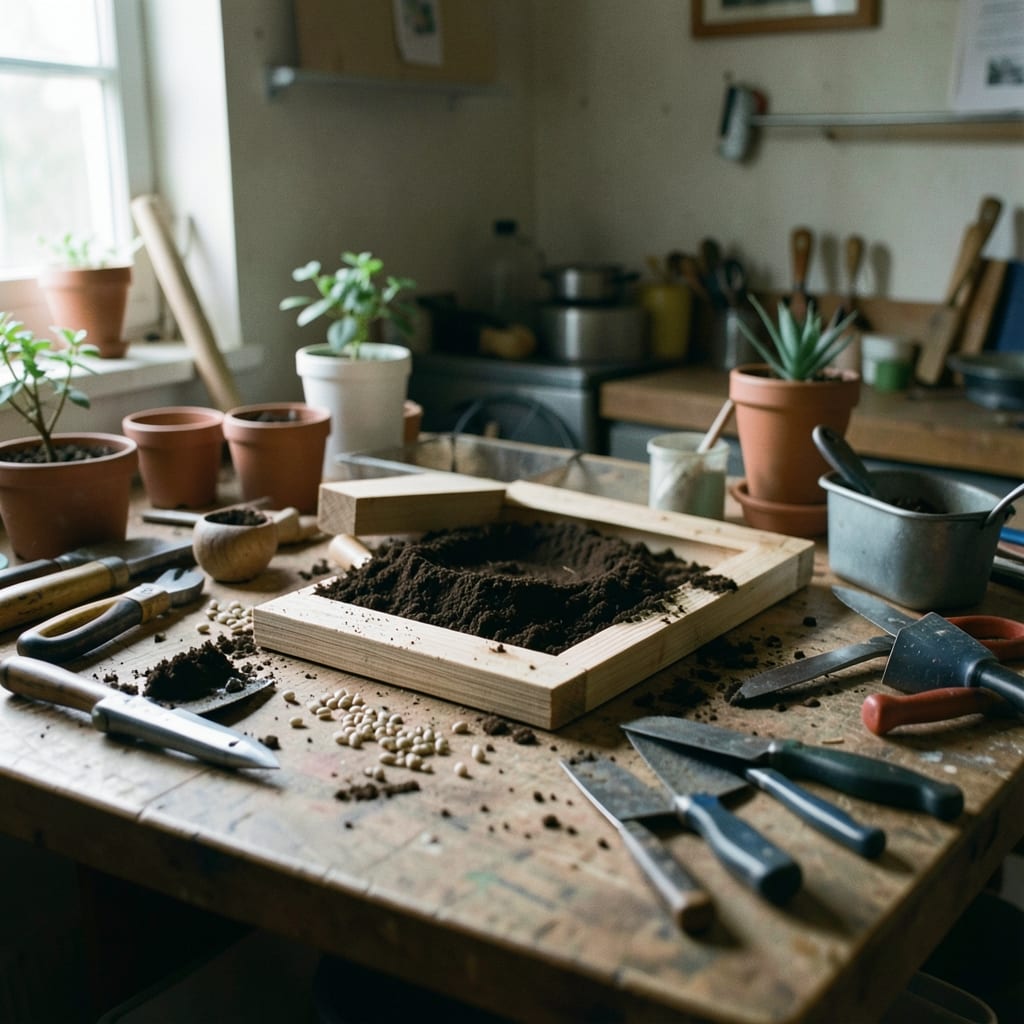
We don’t write about ‘the magic of growth’—we write about the dirt under your nails and the exact moment the first true leaves appear.
This isn’t a place for airy metaphors about ‘nurturing life.’ It’s for the people who’ve killed a cactus by overwatering it, or sworn they’d never grow tomatoes again after the blight hit. We test everything—soil mixes, pruning techniques, even whether that ‘foolproof’ seed packet actually works in a real garden.
If it doesn’t hold up, we say so. No fluff, no false promises.
And if you’ve ever stood in a nursery, overwhelmed by terms like ‘full sun’ or ‘well-draining,’ you know the frustration of advice that assumes you’re already an expert.
Here, we start with the basics: what ‘full sun’ *really* means (six hours? eight? does it matter if it’s morning or afternoon?), and why your basil keeps bolting before it even makes a decent pesto. No jargon, no pretence.
And you’re right to be suspicious—because most gardening sites do the same.
Anyone can write that they test things
In the last year, we’ve planted 47 batches of heirloom tomatoes—some from seed, some from starts—and only 12 of them made it past the first blight without losing at least half the crop. That’s not a typo.
We track which varieties survive our soil’s pH, which mulches actually deter slugs (spoiler: most don’t), and how many times we’ve had to replant because the original seeds sprouted unevenly. The ‘perfect’ garden here is the one where we admit, *this time*, the problem was us—not the plant.
Testing isn’t about getting it right the first time.
It’s about knowing when to pull a crop before it’s beyond saving, or realising that ‘drought-tolerant’ doesn’t mean ‘forget to water it.’ We’ve lost entire raised beds to overzealous compost piles (yes, too much nitrogen *will* kill your peppers), and we’ve had to dig up perfectly good soil because the previous owner swore by ‘no-till’ but never mentioned the compaction underneath.
Those mistakes aren’t hidden—they’re in the notes.
And no, we don’t just test once. The ‘foolproof’ method for pruning roses that worked in May failed in July because the humidity changed. The ‘ideal’ planting depth for carrots led to forking roots in clay soil.
We adjust, we document, and we tell you *why* the adjustment matters—not just *what* to do. Because gardening isn’t about following rules. It’s about learning which rules to break—and when.
But here’s the difference: I keep records of the failures.
About the author
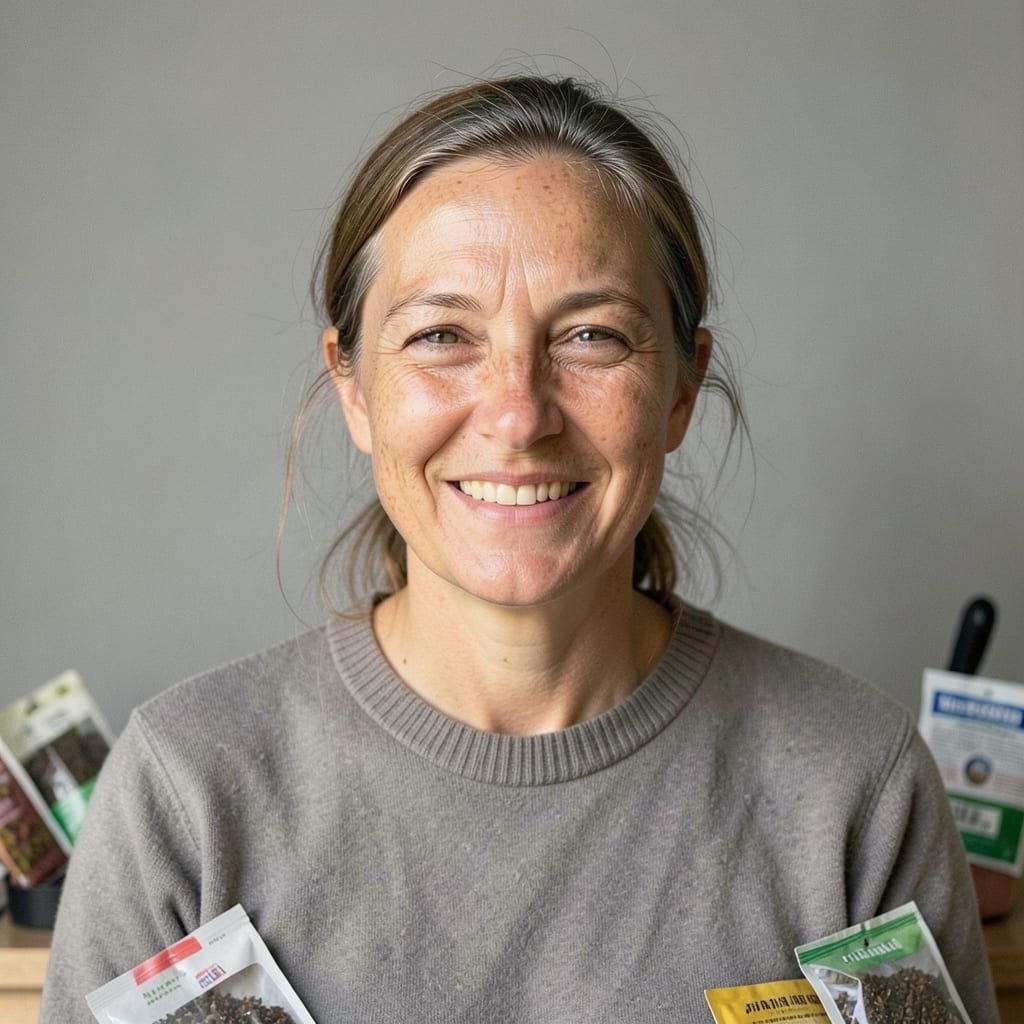
Roxanne Northrup is the founder and editor of *Perennial Porch*, where she writes about the messy, practical side of growing plants—from the first time you kill something on purpose to the year your tomatoes actually set fruit.
The rules we work by
- 1Never trust a seed packet
We test every variety in our soil and climate first. The ‘dwarf’ beans that promised 45 days to harvest took 62 here—and half of them were stunted. We tell you which ones *actually* deliver, and which ones are just marketing.
- 2Measure twice, guess zero
No ‘eyeballing’ soil pH or spacing. We use meters, rulers, and a scale for fertiliser. The cost? More upfront work. The payoff? Plants that don’t spend their energy competing for space or nutrients.
- 3Document the failures louder
We keep a log of every crop that died, rotten to the core. Why? Because the next person might have the same soil or the same weather. Silence isn’t helpful—context is. It costs us time, but it saves you heartache.
- 4Assume your tools are lying
That ‘moisture meter’ might be broken. That ‘organic’ label might hide synthetic boosters. We verify everything—even the water we use. It’s slower, but it means when we say ‘add 1 cup of compost,’ we mean it.
- 5Grow something useless first
Before the tomatoes or the roses, we plant radishes or lettuce—fast, forgiving crops to test soil and timing. The cost? A few weeks of ‘boring’ greens. The payoff? Knowing the *real* conditions before you bet on a prize-winning zucchini.
When we break one of these rules, it’s usually because we forgot to measure the rain. Last summer, we let the basil go to seed because we assumed the afternoon showers would count as ‘watering.’ They didn’t—they just made the soil too soggy for roots to breathe. The lesson?
Even the best systems fail when you skip the basics. We write about those failures too, because they’re the ones that teach you something.
This will not be right for everyone
Close this page if you’re looking for ‘aesthetic’ gardens—manicured rows of identical marigolds or colour schemes that match your living room. This isn’t a magazine spread; it’s a workshop where the tools get dirty. If you want to grow flowers for bouquets, we’re not your people.
If you’d rather scroll through before-and-after photos than wrestle with aphids or diagnose yellowing leaves, look elsewhere.
We’re here for the rest of you: the people who’ve Googled ‘why is my tomato plant wilting’ at 2 AM, or who’ve stared at a seedling and wondered if it’s *supposed* to look like that.
This is for the gardeners who’d rather know *why* the carrots forked than see a perfect photo of someone else’s harvest. If that’s not you, no hard feelings—just don’t expect pretty lies.
You could just be told what you want to hear
If there’s something else you’d rather hear—something we’re missing—you can tell us on the contact page.
Worth telling us
- The exact moment you realised your ‘green thumb’ was actually a myth (we’re still figuring that out).
- What you’ve tried to grow that kept dying—and why you think it might’ve been your fault.
- The one plant you’ve never killed, no matter how hard you’ve screwed up (we’re jealous—tell us which one).
The guides are grouped by category: Advice, Aphids, Blooming, Companion Plants, Container Gardens and Diseases.