
Flowers
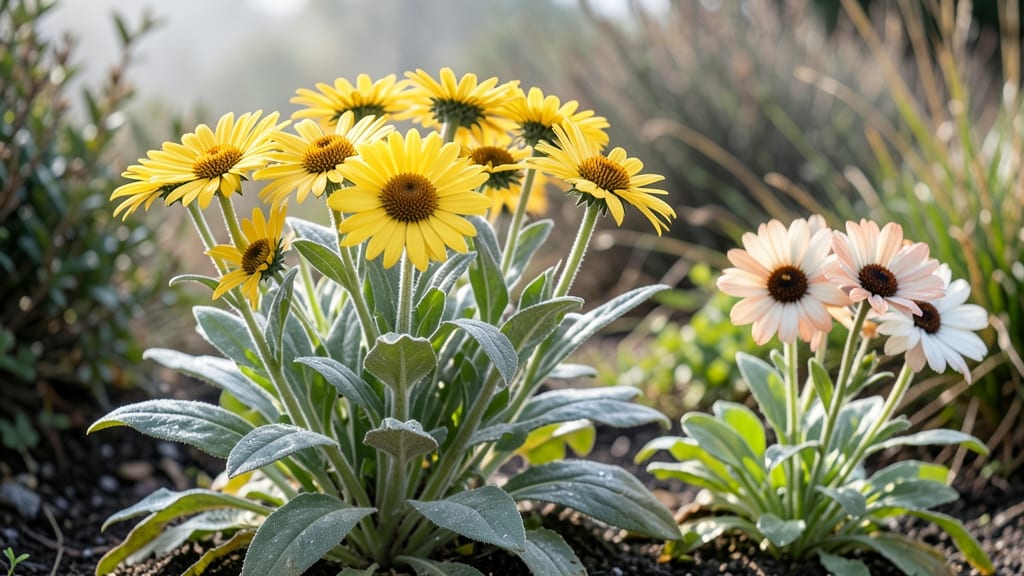
African daisies are perennial in USDA zones 10-11 but function as annuals in colder regions, thriving as reblooming plants with consistent care. Their winter survival depends on cultivar and protective measures like mulching.
African daisies are classified as perennials in warm climates because their root systems survive winter dormancy, allowing them to regrow each spring. 🌱 In colder zones, frost typically kills the foliage, but the roots often persist underground, ready to sprout when temperatures rise.
This makes them behave like annuals in regions outside zones 10-11, though they can return year after year with proper winter protection.
Many gardeners extend their growing season by using thick mulch or bringing potted plants indoors during harsh winters. The key is understanding your specific cultivar—some varieties are hardier than others, and deadheading spent blooms encourages prolonged flowering.
With the right care, even in marginal zones, you can enjoy their vibrant blooms season after season.
💡 In This Article
- African Daisy Cold-Hardiness and Zone-Specific Growth Patterns
- Extending African Daisy Blooms: Mulching, Deadheading, and Winter Care
African daisy cold-hardiness and zone-specific growth patterns
The fundamental difference between African daisies acting as perennials or annuals comes down to their root systems and temperature tolerance. In USDA zones 10-11, where winter temperatures rarely drop below 30°F, these plants naturally enter dormancy rather than die back completely.
Their fibrous roots, which can extend 12-18 inches deep, store enough energy to fuel regrowth when spring arrives. This is why they're classified as perennials in these warm climates—they're not just surviving winter, they're actively preparing for next year's blooms.
In cooler zones (3-9), the story changes dramatically. African daisies typically can't tolerate prolonged exposure to temperatures below 25°F, which causes their above-ground foliage to freeze and die.
However, the roots often remain viable if protected, especially in well-draining soil with organic matter. 🌱 What's fascinating is how these roots behave like a biological battery—they store carbohydrates during the growing season that fuel regrowth when conditions improve.
Some gardeners report seeing shoots emerge as early as 4-6 weeks after frost-free conditions return in spring.
The reblooming mechanism works through a clever biological process called photoperiodism, where day length triggers flowering. African daisies respond to shorter days of autumn by setting flower buds, then continue blooming until frost.
In warmer zones, this cycle repeats annually, while in cooler zones, gardeners must manually encourage reblooming through techniques like deadheading and fertilizing. The key difference is that perennial African daisies in warm zones do this naturally, while their cooler-climate cousins require human intervention to achieve similar results.
Cultivar selection plays a huge role in cold-hardiness. Varieties like 'African Queen' or 'Alba' tend to be more resilient than others, often surviving brief dips to 20°F with proper protection.
The science behind this lies in their cellular structure—hardier varieties produce more antifreeze proteins that prevent ice crystal formation in their tissues. This is why some African daisies might return year after year in zone 9 with thick mulch, while others fail completely in the same conditions.
What most gardeners don't realize is how soil temperature affects root survival. Even if air temperatures drop below freezing, soil can remain 5-10°F warmer, creating a microclimate that protects roots.
This is why mulching becomes so critical—3-4 inches of organic mulch can raise soil temperatures by 5-7°F during cold snaps. The insulation effect works by trapping heat radiated from the earth and slowing temperature fluctuations, which is why mulched African daisies often outperform unprotected ones in marginal zones.
Consider this comparison: In zone 10, African daisies might grow 2-3 feet tall with minimal care, while in zone 7, the same plant might only reach 1-2 feet without winter protection.
The difference isn't just in height—it's in the plant's ability to store energy, develop strong roots, and withstand temperature swings. This is why gardeners in cooler climates often treat them as annuals—they focus on maximizing summer blooms rather than long-term survival.