
Flowers
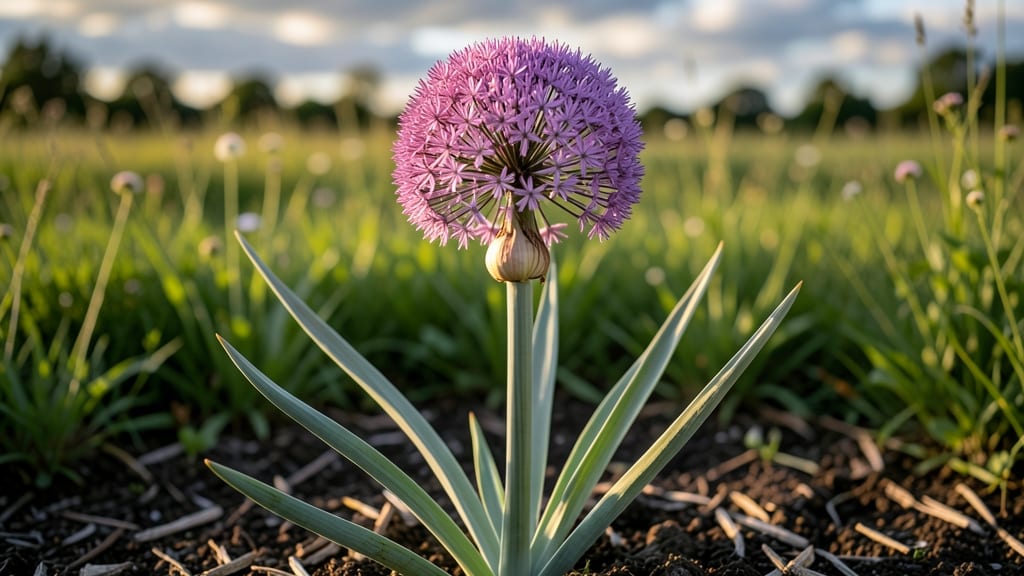
Allium plants are perennials, not annuals, because they store energy in underground bulbs or basal shoots during summer or fall dormancy, then regrow each spring with proper care.
This dormancy cycle is what sets alliums apart from true annuals—they're not just surviving winter but strategically conserving resources for multiple growing seasons. 🌱 The key is understanding their natural rhythm: while they may look dead above ground, their root systems remain active, storing nutrients until conditions improve.
Many gardeners mistakenly pull them when they go dormant, not realizing they'll return stronger next year with the right support.
What's fascinating is how this cycle varies by species—some like garlic and chives regrow reliably every year, while others may take a few seasons to fully establish.
Proper soil prep with organic matter and consistent moisture during their active months can push their lifespan well beyond the typical 3-5 year garden cycle many people expect.
💡 In This Article
- The Science Behind Allium Perennial Dieback
- Gardening Tips for Maximizing Allium Longevity
The science behind allium perennial dieback
Allium plants—like onions, garlic, and chives—use a clever biological strategy called seasonal dormancy to survive harsh conditions. Their bulbs act as natural storage units, converting sugars and starches into energy reserves during active growth.
When temperatures drop or daylight shortens, these plants trigger a hormonal shift that halts leaf production while maintaining root activity. This isn't true death—just a strategic pause where the bulb's meristematic cells (growth centers) remain alive but dormant, waiting for spring's warmer temperatures and longer days to restart growth.
The key difference from annuals lies in their underground survival structures. Annuals complete their entire lifecycle in one season, relying on seeds for regeneration. Alliums, however, store 20-30% of their annual energy production in bulbs during peak growth, creating a self-sustaining system.
For example, a single garlic bulb can produce 10-20 new cloves over multiple seasons, each capable of sprouting independently. This bulb-based storage system allows them to endure 5-10 years or more with proper care, unlike annuals that must restart from scratch each year.
This dormancy cycle is triggered by photoperiodism—the plant's response to daylight length. As daylight shortens in late summer, alliums produce abscisic acid, a hormone that signals dormancy while maintaining root viability.
The bulbs' papery outer layers actually serve as protective insulation, preventing moisture loss and temperature fluctuations that could damage the delicate growth centers inside. This is why you'll often see alliums "die back" to just their bulbs—it's not failure, but a calculated survival strategy.
What's particularly fascinating is how this system varies by species. Hardneck garlic, for instance, stores energy primarily in its hard neck (the thick stem), while softneck varieties distribute reserves more evenly throughout the bulb.
Even within the same species, environmental factors like soil temperature and moisture levels can influence dormancy timing. In warmer climates, alliums might remain dormant for only 2-3 months, while in colder regions, they can stay dormant for 5-6 months before regrowing.
The root system plays an equally crucial role. Alliums develop a fibrous root network that extends 12-18 inches deep, anchoring the plant and absorbing water even when above-ground growth has ceased.
These roots continue to function during dormancy, slowly replenishing the bulb's energy stores through a process called autotrophic respiration. This means the plant is still "breathing" and processing nutrients, just at a much reduced rate compared to active growth phases.
Understanding this biological mechanism explains why alliums often rebound more vigorously after dormancy than annuals. Their stored energy allows for rapid regrowth once conditions improve, often producing 2-3 times more foliage in their second year compared to their first.
This is why experienced gardeners swear by alliums—they're not just surviving, but strategically preparing for future growth cycles through their entire lifespan.