
Flowers
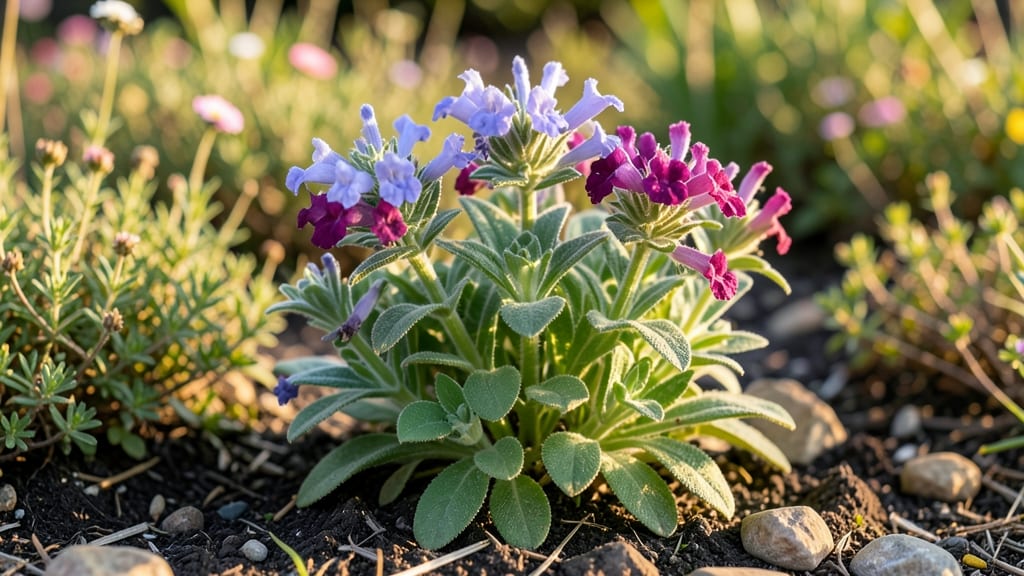
Nemesia is a perennial in frost-free climates but behaves as an annual in most regions because it dies back when temperatures drop below 30°F (-1°C), though some varieties may survive milder winters by regrowing from roots. Its lifespan depends heavily on frost exposure and local growing conditions.
This frost-sensitive plant thrives in warmer zones (7-11) but struggles in colder regions where winter freezes kill the foliage. 🌱 The key difference lies in root hardiness—while most varieties won't survive harsh freezes, certain hybrids can persist through milder winters if protected.
I've seen gardeners in zone 6 successfully overwinter nemesia by bringing potted plants indoors before the first frost.
What makes this tricky is that nemesia's classification changes based on your location. In frost-free climates, it acts like a true perennial, while in colder areas, it behaves more like an annual that may or may not return each season.
The good news? With proper care, you can often coax it back year after year even in marginal zones.
💡 In This Article
- Nemesia Perennial Behavior in Cold Climates
- Extending Nemesia’s Lifespan in Gardens
Nemesia perennial behavior in cold climates
The reason nemesia acts as an annual in most regions comes down to its tropical origins. Native to South Africa, this plant evolved in frost-free climates where temperatures rarely drop below 50°F (10°C).
When exposed to freezing conditions, the above-ground growth freezes solid—similar to how tropical houseplants like hibiscus or bougainvillea die back in winter. However, the real story lies underground where the roots tell a different tale.
The critical threshold for nemesia survival is 30°F (-1°C). At this temperature, cellular damage begins in the stems and leaves, but the roots may still remain viable if protected.
In USDA zones 7-10 (where winters rarely drop below 0°F (-18°C)), nemesia often behaves as a short-lived perennial, sending up new growth from dormant roots each spring. The difference between zones 7 and 6 can be dramatic—just 5°F (3°C) separates reliable survival from near-certain dieback.
What's fascinating is how nemesia's growth habit changes with temperature. In warm climates, it grows as a bushy, 12-24 inch tall perennial with multiple flowering cycles.
But in colder zones, the plant puts all its energy into root development during summer, creating a fibrous network that can regenerate foliage if winter conditions are mild.
This is why you'll see nemesia classified differently in seed catalogs—some varieties are labeled "perennial" while others are marked "tender perennial" or "annual."
The science behind this involves a process called "cold acclimation." Nemesia doesn't have the same cold-hardening mechanisms as true perennials like peonies or hostas. Instead, it relies on rapid regrowth from roots when temperatures rise above 50°F (10°C) in spring.
The problem is that prolonged exposure to 20°F (-7°C) or below kills even the roots in most varieties, which is why gardeners in zone 5 and colder typically treat it as an annual.
Here's where it gets practical: The most cold-tolerant nemesia varieties can survive brief dips to 25°F (-4°C) if protected, but sustained freezing at 20°F (-7°C) will kill them.
This is why you'll find hardier types like 'Blue Bird' or 'Sensation' recommended for marginal climates—they've been selectively bred for slightly better cold resistance. Even then, they won't match the hardiness of true perennials like coneflowers or black-eyed Susans, which handle -20°F (-29°C) with ease.
What most gardeners don't realize is that nemesia's perennial potential depends on more than just temperature—it's also about timing. A sudden frost in early spring can kill emerging shoots before roots have a chance to establish, while a late frost in fall might preserve enough root energy for regrowth.
This is why experienced gardeners in zone 6 often take cuttings in late summer and overwinter them indoors, effectively creating their own perennial nemesia plants.
The bottom line is that nemesia's behavior is a perfect example of how plant classification can vary by location. In frost-free zones, it's a true perennial. In colder areas, it's more like a "sleeping beauty"—waiting for the right conditions to wake up again.
Understanding this helps explain why some gardeners get reliable regrowth while others struggle to keep it coming back year after year.