
Plants
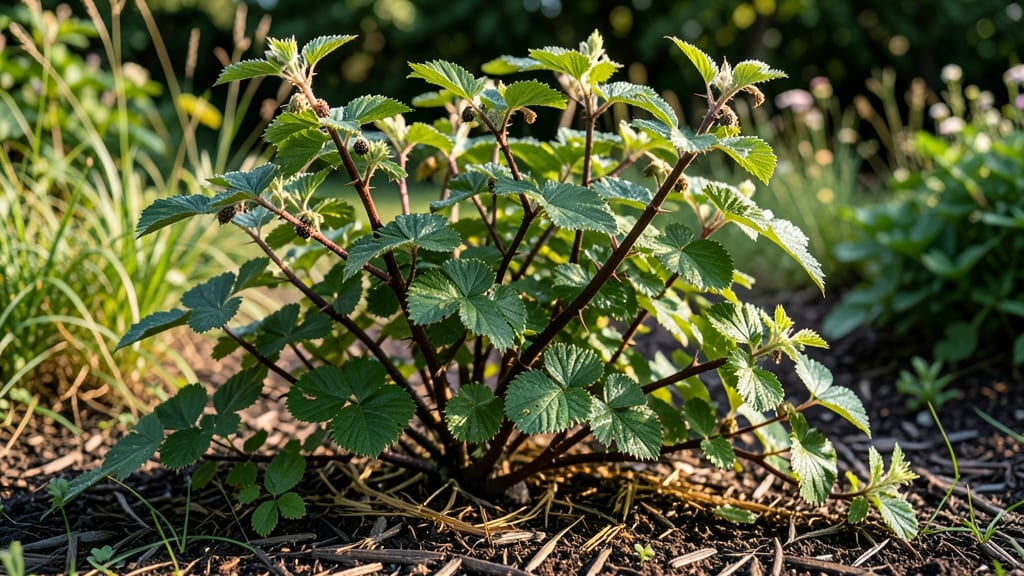
Blackberry bushes are perennial plants that regrow each year from their root system, producing new canes and berries annually if properly cared for and pruned. They thrive in temperate climates and can live for decades with consistent maintenance.
Blackberry bushes stay alive year after year because their roots remain active beneath the soil, even when above-ground growth appears dormant in winter. 🌱 The key to their perennial nature lies in how they develop primocanes (new growth) and floricanes (fruit-bearing canes), with proper pruning encouraging strong regrowth.
Some varieties handle colder climates better than others—like the hardy Cheyenne or Navajo—while others need winter protection in harsher zones.
What sets perennial blackberries apart is their ability to rebound after cold snaps or even light damage. Unlike annuals that die back completely, these bushes send up fresh shoots from their roots each spring, often producing fruit within 1-2 years of planting.
The catch? Neglecting pruning or letting canes get too crowded can weaken their perennial vigor over time.
💡 In This Article
- How Blackberry Bushes Survive Winter and Regrow
- Signs Your Blackberry Bush Is Healthy and Perennial
How blackberry bushes survive winter and regrow
The perennial nature of blackberry bushes starts with their root system, which remains alive year-round beneath the soil surface. Unlike annual plants that die completely after fruiting, blackberries store energy in their roots during winter dormancy—typically between 30-90 days depending on climate.
This underground network can extend up to 3-4 feet deep and spread horizontally through rhizomes, allowing the plant to regenerate even if above-ground canes are damaged or removed.
Blackberries produce two types of canes: primocanes (first-year growth) and floricanes (second-year fruiting canes). Primocanes grow vigorously in summer, developing a woody structure that overwinters. When temperatures drop below 20°F, these canes enter dormancy, but their root system continues metabolizing sugars to fuel next year's growth.
Some varieties like Thornless Evergreen can handle -10°F temperatures, while others need winter mulch in colder zones.
Pruning plays a critical role in maintaining perennial health. Removing dead floricanes after harvest and cutting primocanes back to 1-2 feet tall in late winter promotes stronger regrowth. This practice prevents overcrowding, which competes with root energy reserves.
Without proper pruning, canes become too dense, increasing disease risk and reducing fruit quality—signs the bush is struggling to maintain its perennial vigor.
The timing of regrowth depends on climate: in Zone 6-7, new shoots emerge by late March, while colder regions may see growth start in May. The first leaves appear bright green and tender, signaling the plant is actively photosynthesizing to rebuild energy stores.
This early growth phase is when blackberries are most vulnerable to late frosts, which can damage emerging canes if temperatures dip below 28°F.
What most gardeners don't realize is how blackberries use their roots to compensate for lost canes. If you accidentally cut back too aggressively, the root system will send up new primocanes from dormant buds along the rhizomes.
This resilience explains why established bushes can recover from heavy pruning or even partial root damage. However, repeated neglect weakens this recovery ability over time.
For optimal perennial performance, focus on these key factors: consistent soil moisture (especially during root establishment), balanced fertilization in early spring, and proper pruning timing. The result? A blackberry bush that can produce fruit for 10-15 years or longer with minimal intervention.