
Plants
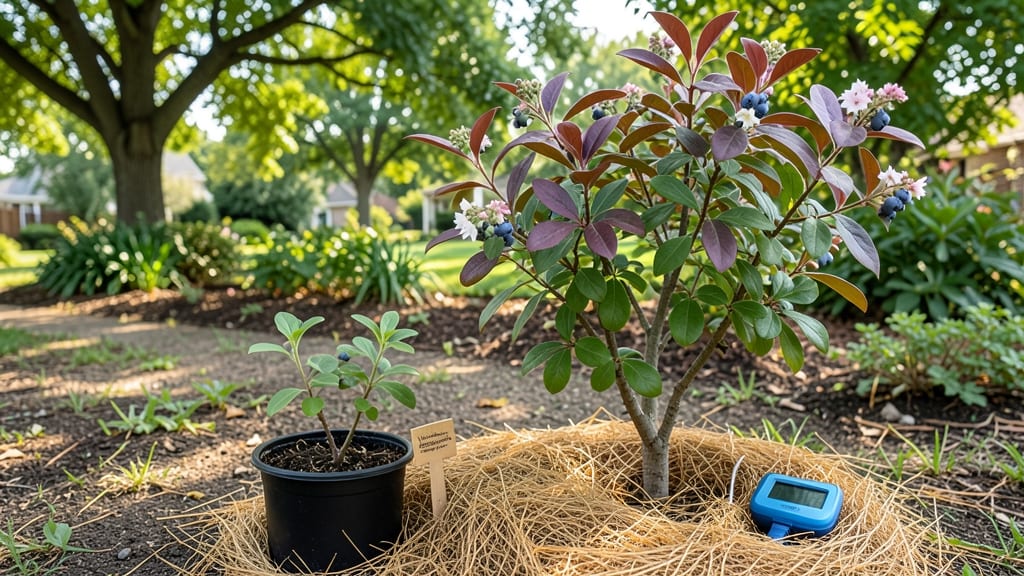
Yes, blueberries are perennials that regrow annually from the same root system after winter dormancy. Their woody stems and deep roots persist through cold months, allowing them to produce fruit year after year with proper seasonal care.
This perennial nature means blueberries don't need replanting each season—they simply enter a dormant phase during winter, conserving energy in their roots and stems until temperatures rise. 🌱 The key to their survival lies in their hardy root systems, which can withstand freezing conditions while storing nutrients for spring regrowth.
Many gardeners find this trait particularly advantageous because it reduces maintenance compared to annual plants.
What sets blueberries apart is their ability to thrive in the same location for decades, provided they receive adequate sunlight, water, and soil acidity. Their woody canes may appear dead in winter, but these structures serve as the foundation for next year's harvest.
Understanding this cycle helps gardeners time pruning and fertilization correctly to maximize fruit production.
💡 In This Article
- How Blueberry Plants Survive Winter Through Dormancy
- Year-Round Blueberry Care: Pruning, Mulching, and Winter Protection
How blueberry plants survive winter through dormancy
Blueberries enter dormancy as a survival mechanism when temperatures drop below 40°F, a process triggered by shorter daylight hours and cooler nights. During this phase, their above-ground growth—leaves, stems, and flowers—dies back completely, but the root system remains active underground.
These roots store carbohydrates produced during the growing season, which fuel regrowth in spring. Think of it like a bear hibernating: the plant conserves energy while maintaining critical life functions.
The depth and strength of blueberry roots play a crucial role in their winter survival. Most varieties develop roots that extend 2-3 feet deep, allowing them to access moisture and nutrients even when surface soil freezes.
Northern highbush varieties (like 'Bluecrop') are hardy down to Zone 4 (-30°F), while southern highbush types (like 'Misty') thrive in Zone 7 (0°F)100-150 hours of chilling below 45°F—this cold exposure breaks dormancy and signals buds to prepare for spring growth.
What makes blueberries unique is how their woody canes function as energy reservoirs. These stems contain dormant buds that remain viable for years, even if the plant appears dead. When spring arrives, these buds swell with sap and push through the soil, producing new shoots within 2-4 weeks of thawing.
The timing of this regrowth depends on your hardiness zone—plants in colder climates may wait until soil temperatures reach 50°F, while southern varieties often sprout earlier.
One common misconception is that blueberries "die" in winter, but their survival depends entirely on root health. The root crown (where roots meet stems) is the plant's lifeline—if protected by 4-6 inches of organic mulch, it can withstand temperatures well below freezing.
This is why gardeners in Zone 5 or colder often mound soil around the base in late fall, creating a protective barrier against extreme cold.
Blueberries also exhibit a fascinating adaptation called "bud hardiness." Their flower buds are more sensitive to cold than vegetative buds, which is why you might see leafy shoots emerge before flowers in spring.
This staggered growth ensures that even if a late frost damages blossoms, the plant still has time to produce foliage and store energy for next year's fruit. 🌱 For gardeners, this means timing spring pruning carefully—never before the last frost, or you risk removing next year's potential fruit buds.
Understanding this dormancy cycle explains why blueberries can live for 50+ years with minimal intervention. Their perennial nature means each year's harvest builds on the previous one, with the plant becoming more productive as its root system expands.
This is why established blueberry bushes often yield 10-20 pounds of fruit annually—far more than young plants—demonstrating the power of their persistent root systems.