
Flowers
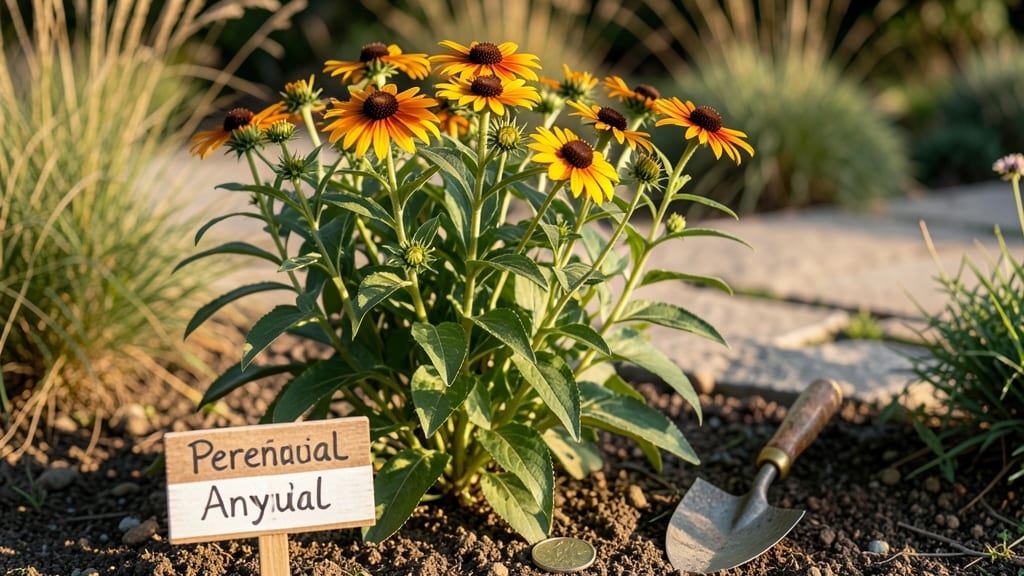
Determining whether rudbeckia is annual or perennial depends on the variety and climate: most grow as perennials in temperate zones, reblooming yearly from deep roots, while types like Rudbeckia hirta may behave as short-lived perennials or biennials in colder areas. Cold-hardy care keeps them thriving for seasons.
Most rudbeckia varieties establish strong root systems that let them survive winter dormancy and return each spring, making them classic perennials in zones 3-9. 🌱 The exception is Rudbeckia hirta (Black-Eyed Susan), which often acts as a biennial in colder climates—flowering the first year, setting seeds the second, then fading.
To encourage perennial behavior, mulch heavily in fall and avoid overwatering during dormancy. This simple care routine can turn a "short-lived" plant into a long-term garden star.
For gardeners in marginal zones, choosing Rudbeckia fulgida (Orange Coneflower) guarantees perennial performance—its thick roots withstand freeze-thaw cycles better than other types. If you're unsure about your variety, check its USDA hardiness rating: anything labeled for zones 4-8 will reliably return year after year with minimal effort.
💡 In This Article
- Rudbeckia Life Cycle: Perennial vs. Annual Growth Patterns
- Choosing the Right Rudbeckia for Your Garden’s Climate
Rudbeckia life cycle: perennial vs. annual growth patterns
The key difference between perennial and annual rudbeckia varieties lies in their root systems and how they handle dormancy. Perennial types like Rudbeckia fulgida develop deep, fibrous roots that store energy through winter, allowing them to regrow each spring.
These roots can extend 12-18 inches below the soil surface, creating a robust network that survives freeze-thaw cycles in zones 4-9. 🌱 The plant's ability to photosynthesize early in the season (as soon as soil temperatures reach 50°F) gives it a head start over annuals.
Biennial or short-lived varieties, such as Rudbeckia hirta, prioritize seed production over root development. In their first year, they focus on leaf growth to build energy reserves, then flower and set seed in year two before declining.
This two-year cycle explains why they often appear annual in colder climates—frost kills the top growth before roots can fully establish. The trade-off is striking: perennials invest in longevity while biennials maximize reproductive success in a single season.
Climate plays a critical role in determining whether rudbeckia behaves as a perennial. In USDA zones 3-9, most varieties reliably return year after year because their roots survive winters with -20°F to 30°F temperature swings.
However, in zones 1-2, even hardy types may struggle unless heavily mulched (4-6 inches of straw or wood chips) to insulate roots. The mulch acts like a thermal blanket, preventing soil temperature fluctuations that can damage dormant tissues.
What most gardeners overlook is how watering habits affect perennialization. Overwatering during dormancy (fall/winter) can cause root rot, while underwatering stresses the plant. The ideal approach is to reduce watering by 50% once foliage yellows, then resume in spring when new growth appears.
This balance is crucial—too much moisture weakens roots, while too little prevents energy storage for regrowth.
Seasonal regrowth timing varies by species. Rudbeckia fulgida often emerges in early spring (March-April), while Rudbeckia hirta may wait until soil warms to 60°F. The delay in biennials reflects their energy allocation strategy: prioritizing seed production over early vigor.
For perennials, early emergence means they can outcompete weeds and establish dominance in the garden bed.
Consider this comparison: a well-established Rudbeckia fulgida plant can produce 50-100 stems annually, while a biennial Rudbeckia hirta might yield only 10-20 stems before declining. The perennial's ability to regenerate from the same root system year after year makes it the clear winner for low-maintenance gardens. 🌿