
Size
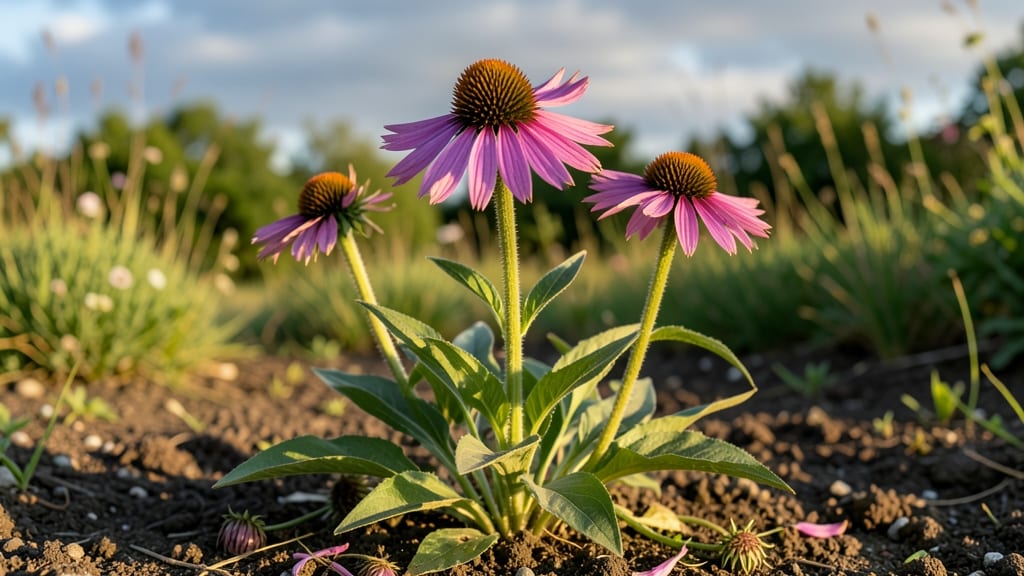
Perennial plants grow back each year because their roots, rhizomes, or crowns survive winter dormancy, storing energy to regenerate foliage and flowers when conditions improve. Unlike annuals, they don’t die after one season but follow a natural dieback cycle tied to seasonal changes.
Perennials rely on their underground storage systems to persist through harsh seasons. 🌱 During dormancy, they redirect energy from leaves and stems into roots, rhizomes, or crowns—think of it like a natural battery.
This stored fuel powers new growth when temperatures rise and daylight increases, often within weeks of spring's arrival. Hardy perennials like coneflowers or hostas can survive freezing temperatures, while tender varieties might need winter protection.
What sets perennials apart is their predictable life cycle. After flowering, many naturally die back to the ground, but their root systems remain alive beneath the soil. This dieback isn't a sign of death—it's an energy conservation strategy.
For example, peonies might look completely dead in winter but send up fresh shoots once the ground thaws.
The key difference from annuals is this underground resilience. Annuals complete their entire life cycle in one season, while perennials simply pause and restart. This makes them ideal for low-maintenance gardens, though they do require proper seasonal care to ensure strong regrowth each year.
💡 In This Article
- How Perennial Plant Roots Survive Winter Dormancy
- Signs Your Perennial Isn’t Regrowing and How to Fix It
How perennial plant roots survive winter dormancy
The secret to perennial survival lies in their underground energy reserves. During autumn, these plants redirect carbohydrates (stored as starch) from leaves and stems into roots, rhizomes, or crowns—think of it like a plant version of hibernation.
For example, a hosta might store enough energy in its thick rhizomes to fuel 3-5 years of regrowth, while a daylily stores nutrients in its fibrous roots for 2-3 years. This stored energy acts like a biological battery, ready to power new growth when conditions improve.
Temperature acts as the trigger for regrowth. Most hardy perennials (like coneflowers or black-eyed Susans) begin sprouting when soil temperatures reach 45-50°F—about 2-4 weeks before last frost. The roots detect this warmth and convert stored starches back into sugars through a process called glycolysis, which fuels cell division.
Tender perennials (like cannas or dahlias) need even warmer soil (60-65°F) and often require winter mulch to insulate their roots from freezing temperatures.
Soil plays a crucial role in this process. Well-draining soil prevents root rot during winter, while organic matter improves moisture retention.
For instance, adding 2-3 inches of mulch (like shredded leaves or straw) can protect tender roots from temperature swings that might otherwise cause them to heave out of the ground.
The mulch also insulates the soil, maintaining a more stable temperature—critical for perennials in colder climates where ground temps can drop below 32°F.
Not all perennials store energy the same way. Some, like asparagus, develop thick, fleshy roots called corms, while others (such as peony) rely on tuberous roots that swell with stored nutrients.
The storage method affects how quickly they regrow—corms often sprout within 2-3 weeks of warm soil, while tuberous roots may take 4-6 weeks. This variation explains why some perennials seem to bounce back faster than others in spring.
One often-overlooked factor is the plant's photoperiod sensitivity. Many perennials use daylight length as a secondary cue for dormancy. As daylight shortens in autumn, they begin storing energy, and when days lengthen in spring, they respond by breaking dormancy.
This dual trigger ensures they don't regrow too early in unpredictable climates. For gardeners, this means avoiding early pruning of dead foliage—those leaves can photosynthesize until frost and contribute to next year's energy reserves.
The resilience of perennial roots isn't just about survival—it's about efficiency. By storing energy underground, these plants avoid the energy costs of rebuilding from scratch each season.
This underground system also makes them more drought-tolerant, as they can tap into deep soil moisture when surface water is scarce. 🌱 For example, a well-established lavender bush can regrow from roots even after its top growth dies back in drought conditions.