
Flowers
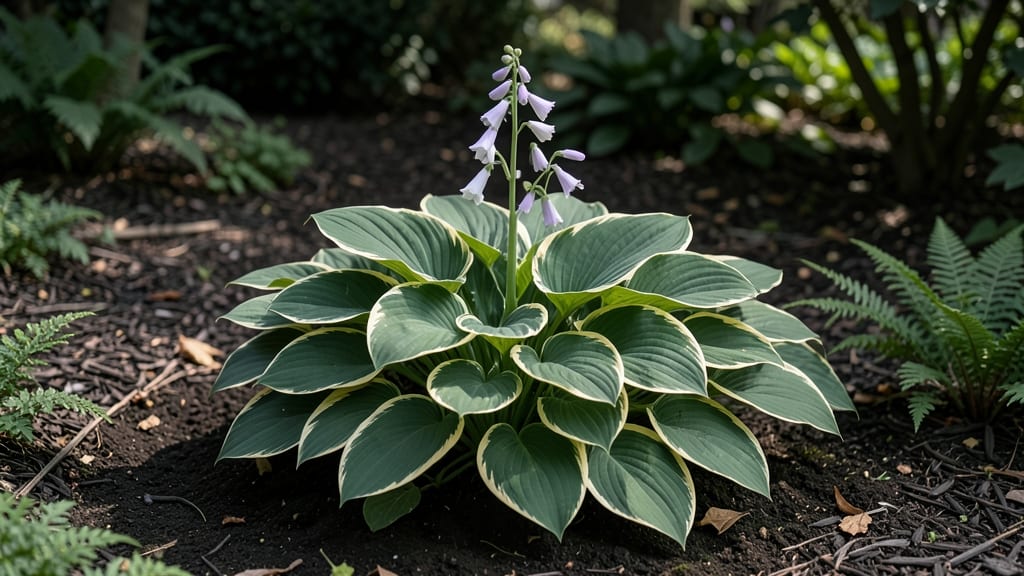
Perennial plants aren't active every year—they enter seasonal dormancy in winter, often looking dead (dieback) before spring regrowth from their roots or crowns. This natural cycle includes periods of rest, not year-round growth like annuals.
This seasonal pattern is actually a survival strategy. When temperatures drop and daylight shortens, perennials conserve energy by shutting down above-ground growth. 🌱 The roots and crowns remain alive underground, storing nutrients until conditions improve in spring.
Many gardeners mistake this natural dieback for plant death, but understanding this cycle helps you provide the right care during winter months.
What sets perennials apart is their ability to regenerate from these dormant structures. Unlike annuals that complete their life cycle in one season, perennials have built-in resilience through their underground systems. This means they can survive harsh winters and return stronger each year, making them ideal for low-maintenance gardens.
💡 In This Article
- Why Perennial Plants Appear Dead in Winter
- Signs Your Perennial Is Still Alive (Even When Dormant)
Why perennial plants appear dead in winter
Perennial plants trigger dormancy through a biological response to environmental cues. When temperatures drop below 40°F and daylight hours shrink to less than 12 hours daily, the plant's meristem cells (growth points) produce a hormone called abscisic acid.
This chemical signals the plant to halt above-ground growth and redirect energy to its roots and crown, where specialized cells convert starches into sugars for storage. 🌱 This process is similar to how deciduous trees shed leaves—they're not dead, just conserving resources.
The roots and crown (the thickened base where stems meet roots) become the plant's survival center. In species like peony or hosta, these structures can store enough energy to fuel regrowth even after the foliage has completely browned.
For example, a hosta plant might lose all its leaves by November but still maintain a 2-inch-thick crown packed with nutrient reserves. This underground storage system is what distinguishes perennials from annuals, which complete their entire life cycle in one growing season.
Moisture plays a critical role in this process. While the plant appears dormant, the roots remain metabolically active, absorbing water when soil temperatures stay above 32°F.
This is why mulching with 3-4 inches of organic material (like straw or shredded leaves) is essential—it insulates the soil, preventing freeze-thaw cycles that could damage delicate root systems.
Without this protection, the roots might suffer from frost heave or dehydration, which could lead to true plant death rather than just dormancy. ❄️
Light exposure also influences dormancy depth. Plants in full sun (like daylilies) enter a deeper dormancy than those in partial shade (like heuchera) because they experience more temperature fluctuations. The shorter wavelengths of winter light trigger photoperiodism—the plant's internal clock that regulates seasonal changes.
This is why some perennials in northern climates may need artificial light exposure during winter if grown indoors, to prevent premature dormancy.
What makes this cycle fascinating is the plant's ability to "remember" its optimal growing conditions. Through a process called vernalization, many perennials require exposure to cold temperatures before they'll flower in spring.
This is why you might see a bearded iris plant sit dormant for two winters before finally blooming—it's waiting for the perfect environmental cues. The plant's survival strategy is a delicate balance between conserving energy and preparing for the next growing season. 🌿
Understanding this biological mechanism helps explain why perennials often look dead in winter. The key difference from annuals lies in their underground systems: while annuals die completely after seeding, perennials have evolved to store energy and regenerate.
This adaptation allows them to thrive in temperate climates where seasonal changes would otherwise make survival impossible. The winter dieback you observe is actually a sophisticated survival tactic, not a sign of failure. 💫