
Plants
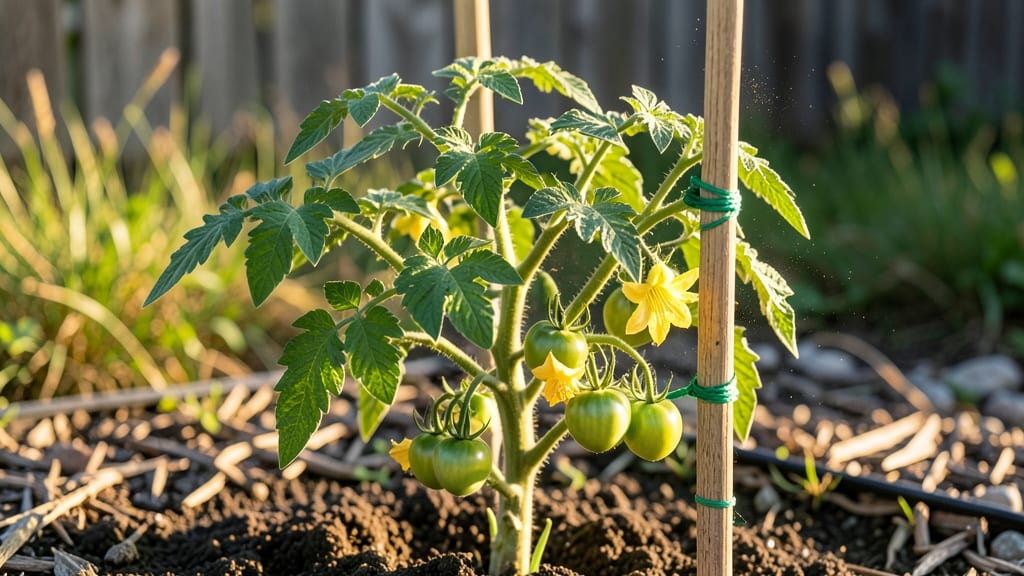
Tomato plants aren't perennial in most climates, but hardy varieties like 'Siberian' or 'Cherokee Purple' can survive winters in USDA zones 8-11 with protection like heavy mulching or container growing. Most tomato species die back completely when exposed to freezing temperatures.
Tomatoes are technically annuals because their tender stems and roots can't survive freezing temperatures, which most climates experience during winter. 🌱 However, some varieties have evolved to tolerate colder conditions, allowing them to regrow from their base when spring arrives.
The key difference lies in their genetic resilience—these cold-hardy types can withstand temperatures down to 20°F with proper winter care, while standard varieties succumb to any frost.
For gardeners in marginal zones, the solution often involves combining the right variety with smart winterization techniques.
I've seen firsthand how a simple layer of 12 inches of straw mulch can protect tomato plants through mild winters, while container growers in colder areas can bring potted plants indoors during freeze warnings. The trade-off?
These perennial-like tomatoes may produce smaller yields in their first year after winter compared to fresh spring plantings.
💡 In This Article
- Why Most Tomato Plants Die Annually in Cold Climates
- How to Grow Tomato Plants as Perennials in Cold Regions
Why most tomato plants die annually in cold climates
Tomatoes are classified as annuals because their tender, herbaceous stems and shallow root systems can't survive prolonged exposure to freezing temperatures. When nighttime temperatures drop below 32°F, the plant's cellular structure begins to rupture—water inside cells expands as it freezes, creating ice crystals that pierce cell walls.
This is why even a light frost can kill standard tomato varieties. 🌱 The damage starts at the leaves, where frost causes them to blacken and crisp, but the real killer is when the freeze reaches the stem and roots, cutting off the plant's ability to transport water and nutrients.
Compare this to true perennials like asparagus or rhubarb, which have thick, woody crowns or rhizomes that store energy and can regenerate after winter dormancy. These plants evolved with specialized tissues that can survive -10°F to -20°F temperatures by converting starches into sugars that act as antifreeze.
Tomatoes, however, lack these adaptations—their growth habit prioritizes rapid above-ground development during warm seasons rather than cold resistance. Even cold-hardy tomato varieties like 'Siberian' or 'Cherokee Purple' only survive because they enter a dormant state and regrow from protected root systems, not because they're true perennials.
The science behind this involves a plant's meristem cells—the growth centers where new stems, leaves, and roots form. In tomatoes, these meristem cells are located at the tips of shoots and roots, making them extremely vulnerable to cold.
When temperatures fall below 28°F, these delicate cells die, halting all new growth. 🥶 True perennials, on the other hand, have meristems located deeper within the plant, often below the soil surface, where they're insulated from extreme cold.
This fundamental difference explains why tomatoes can't naturally persist through winter like their perennial counterparts.
Another key factor is the tomato plant's life cycle. Annuals focus their energy on producing flowers, fruit, and seeds within a single growing season, while perennials allocate resources to both reproduction and survival structures. This evolutionary trade-off means tomatoes prioritize fruit production over cold tolerance.
Even the hardiest tomato varieties will only regrow if their root systems remain intact and undamaged—a feat that requires careful winter protection in marginal climates. Without this protection, the roots freeze solid, killing the plant completely.
Consider this real-world example: In USDA Zone 7, where winters typically reach 0°F, even mulched tomato plants will die back unless they're grown in containers that can be moved indoors.
The root zone is particularly vulnerable because soil insulates poorly when frozen—water expands by 9% when it freezes, creating pressure that ruptures root cells. This is why gardeners in colder zones must choose between annual tomatoes with higher yields or perennial-like varieties that require extra winter care. 🌡️
What most people don't realize is that even cold-hardy tomato varieties have a limited range of tolerance. While they might survive 20°F with protection, prolonged exposure to 15°F or below will still kill them.
This explains why you'll see tomato plants thriving in Zone 8 winters but failing in Zone 7 without special measures. The difference comes down to how many consecutive freezing nights the plant can endure before its root systems are compromised beyond recovery.