
Flowers
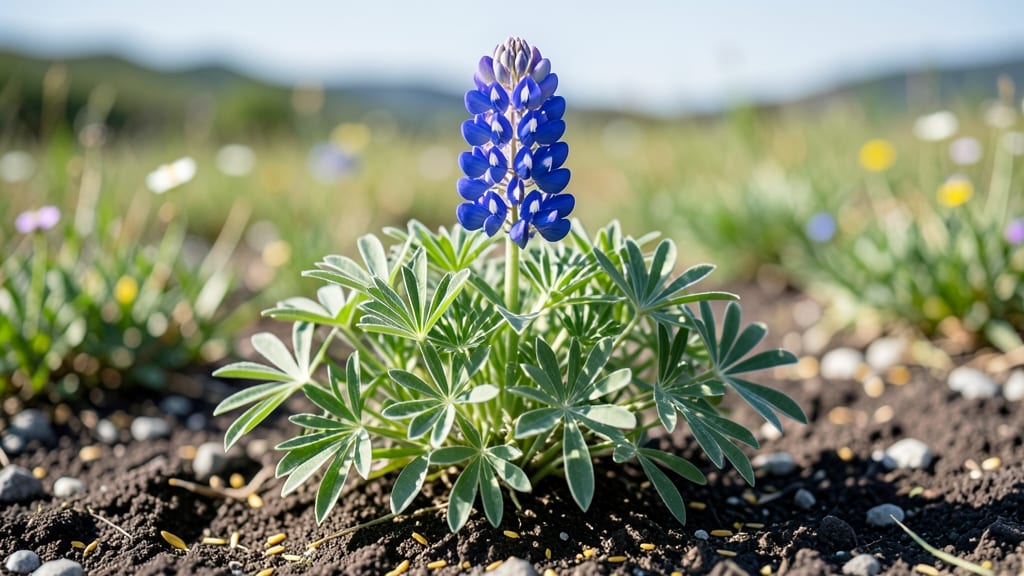
Bluebonnets are not true perennials in most regions; they typically grow as cool-season annuals in Texas, dying back after blooming but often self-seeding prolifically for years. Some cultivated varieties may rebloom under ideal conditions, but their lifespan depends on climate and care.
Bluebonnets thrive as winter annuals in Texas, meaning they complete their life cycle in one growing season before dying back when summer heat arrives. 🌱 The key to their "perennial-like" behavior lies in their aggressive self-seeding habit—each plant produces thousands of seeds that germinate naturally the following fall.
While they don't regrow from the same roots year after year, this reseeding creates dense bluebonnet meadows that can last for decades with minimal intervention. Their ability to return annually makes them act like perennials in practice, even though botanically they're classified differently.
What sets them apart from true perennials is their root system—bluebonnets develop shallow roots that store minimal energy for regrowth. Instead, they rely on environmental cues like cooler temperatures and moisture to trigger germination from seed.
This adaptation explains why they flourish in Texas's unpredictable climate, where summer dormancy is the norm rather than survival through multiple growing seasons.
💡 In This Article
- Why Bluebonnets Act Like Annuals in Texas
- How to Encourage Bluebonnet Reblooming and Long-Term Growth
Why bluebonnets act like annuals in Texas
Bluebonnets (Lupinus texensis) are classified as winter annuals because their entire life cycle—from seed germination to flowering, seed production, and death—occurs within a single growing season. This behavior is hardwired into their biology as a survival strategy for Texas's harsh summers.
When temperatures rise above 90°F, the plants naturally enter dormancy, their leaves yellow and crisp, and the stems die back to the ground. Unlike true perennials that store energy in roots or rhizomes for regrowth, bluebonnets allocate their resources to seed production instead.
Their shallow root systems—typically reaching only 6-12 inches deep—lack the energy reserves needed for perennial survival. Instead, these roots focus on anchoring the plant and absorbing moisture quickly during Texas's unpredictable fall and winter rains.
What makes them appear perennial is their prolific seed production: a single mature plant can release 5,000-10,000 seeds per season. These seeds remain dormant until cooler temperatures (60-70°F) and adequate moisture trigger germination in late summer or early fall.
Texas's climate plays a crucial role in this cycle. The state's distinct cool-season growing period (October-April) provides the ideal window for bluebonnets to complete their life cycle before summer heat arrives. During this time, they grow rapidly, flower in 45-60 days, and set seed before the heat forces dormancy.
This adaptation explains why they thrive in central and north Texas but struggle in warmer southern regions where summer heat arrives earlier.
Botanically, their annual classification stems from how they handle energy storage. True perennials like black-eyed Susans or coneflowers store carbohydrates in roots or tubers, allowing them to regrow year after year.
Bluebonnets, however, prioritize reproduction over survival—this is why you'll see entire fields of them bloom spectacularly one year, then disappear completely the next, only to return just as vigorously from seed the following fall.
There's a fascinating exception to this rule: some cultivated varieties and hybrid selections have been bred to exhibit partial perennial behavior. These may produce smaller second-year blooms if given ideal conditions, but even then, they rarely match the vigor of their first-year growth.
The trade-off is clear—bluebonnets sacrifice longevity for explosive, seasonal displays that transform Texas landscapes into blue-hued carpets each spring.
What most gardeners don't realize is how this annual behavior actually benefits the ecosystem. By dying back completely, bluebonnets prevent soil depletion and make way for new growth each season.
Their seeds also contain compounds that deter some pests, while their deep blue flowers attract pollinators like bees and butterflies during a critical early-season food source. This perfect adaptation to Texas's climate explains why they've become the state flower despite their botanical classification.