
Plants
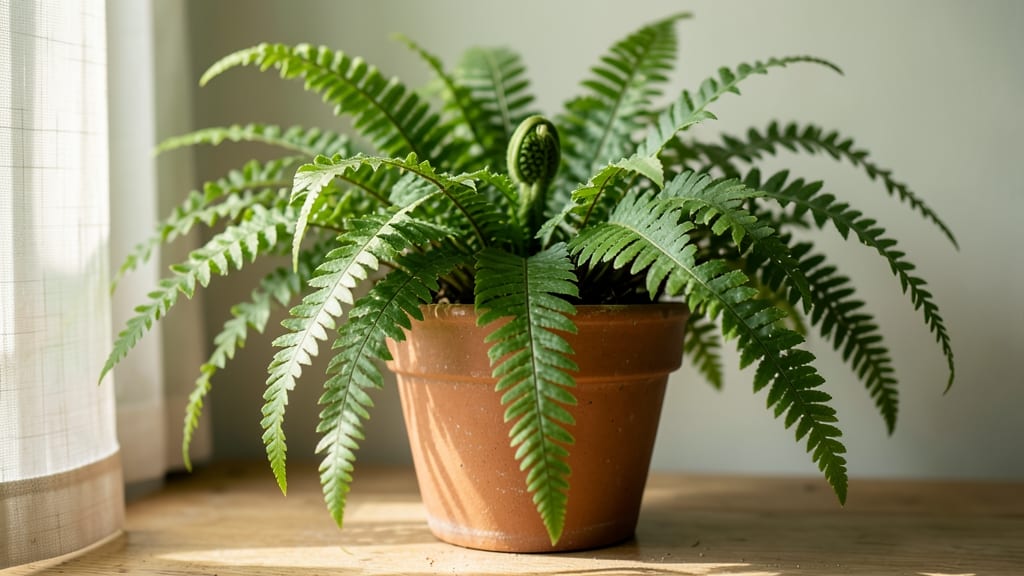
Boston ferns are perennials in USDA Zones 8-11, where they thrive year-round with consistent moisture and shade. In colder climates (Zones 3-7), they die back to the ground annually but regrow from rhizomes each spring if protected from freezing soil.
Boston ferns act like perennials because their underground rhizomes store energy and remain dormant during harsh winters. 🌿 In warmer zones, these plants grow continuously, but in colder areas, they enter a natural rest phase when temperatures drop.
The key to their survival lies in protecting the rhizomes from freezing—whether through mulch or container insulation. Many gardeners mistakenly think these ferns die completely in cold climates, but with proper care, they bounce back stronger each spring.
What sets Boston ferns apart is their adaptability. Unlike annuals that must replant yearly, these perennials return reliably when conditions are right. This makes them a favorite for gardeners who want lush greenery without the annual replanting hassle.
Just remember: consistent moisture and shade are non-negotiable for their long-term health, regardless of your climate zone.
💡 In This Article
- Boston Fern Cold Hardiness and Winter Dieback Explained
- Protecting Boston Ferns in Cold Climates: Seasonal Care Guide
Boston fern cold hardiness and winter dieback explained
The reason Boston ferns act as perennials in warm zones (8-11) while dying back in colder ones (3-7) comes down to their rhizome biology. These ferns store carbohydrates in their thick, underground stems during growing season, which fuels regrowth when conditions improve.
In warmer climates, the rhizomes remain active year-round, allowing continuous foliage growth. The magic happens at 32°F (0°C)—this is the critical threshold where above-ground fronds begin freezing and turning brown, but the rhizome stays protected below the frost line.
Here's what's actually happening underground: The rhizome contains specialized cells that convert starches into sugars during cold snaps, creating a natural antifreeze effect.
Studies show these sugars can lower the freezing point of plant cells by up to 5°F (-15°C), explaining why rhizomes often survive even when tops are killed by frost. 🌱 The key difference between zones is soil insulation—sandy soils conduct cold faster than loamy soils, which is why Boston ferns struggle more in Zone 5 than in Zone 7 with identical winter temps.
What most gardeners don't realize is that Boston ferns use a two-phase survival strategy. First, they enter dormancy when nights stay below 50°F (10°C) for several weeks. Then, as temperatures drop further, the rhizome enters a deeper state where metabolic activity nearly stops.
This explains why you'll often see brown fronds in winter but green regrowth by spring—the plant wasn't dead, just in suspended animation. The rhizome can remain viable for 2-3 years even without new growth if conditions are right.
There's an important distinction between "dieback" and "death" in these plants. Dieback refers to the above-ground foliage dying while the rhizome survives—this is normal and expected. True death occurs when the rhizome freezes solid, which typically happens when soil temperatures remain below 20°F (-7°C) for more than 24 hours.
This is why mulching with 4-6 inches of organic material (like straw or leaves) can make the difference between survival and loss in marginal zones.
Consider this comparison: In Zone 9, Boston ferns grow continuously because winter lows rarely drop below 30°F (-1°C), keeping rhizomes active. But in Zone 4, where winters can hit -10°F (-23°C), even well-mulched plants may need container protection.
The 10°F difference between these zones explains why care techniques vary so dramatically between regions. 🌡️
The science behind this involves something called "cold acclimation"—a process where plants gradually adjust to lower temperatures. Boston ferns begin this process in early fall when days shorten, building up protective compounds. This is why sudden freezes in early winter are more damaging than gradual cold snaps.
Gardeners in transition zones (like Zone 7) often see the most dramatic dieback because the plants aren't fully acclimated when unexpected cold hits.