
Orchid Care
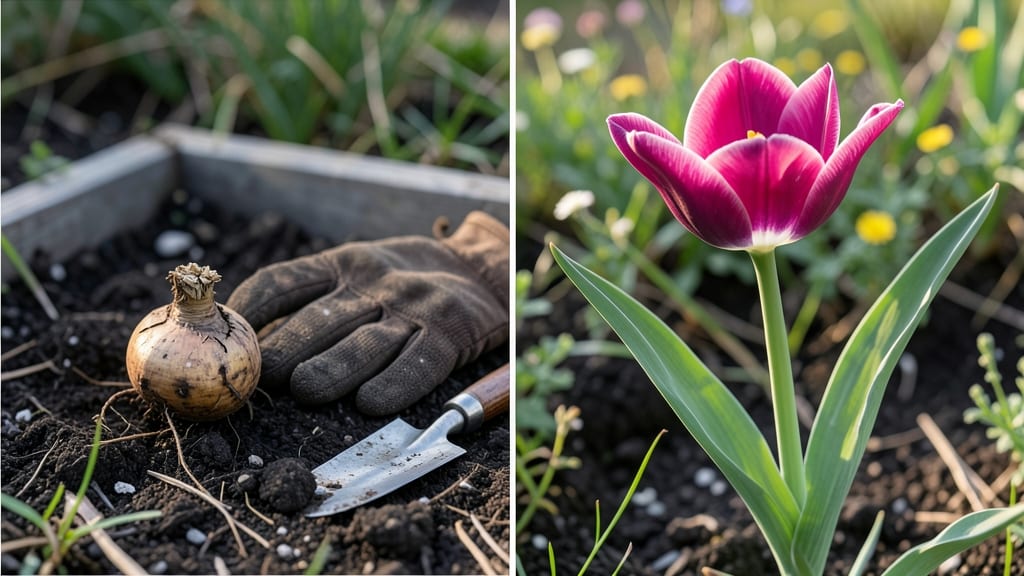
Bulbs are perennials because they store energy underground in specialized structures that allow them to regrow each season, even when their above-ground parts die back completely.
This underground storage system—whether a bulb, corm, tuber, or rhizome—acts like a plant battery, preserving nutrients and energy until conditions are right for regrowth. 🌱 Unlike annuals that complete their entire life cycle in one season, perennial bulbs simply enter a dormant phase above ground while their roots remain active below.
Think of it like a hibernating bear: the foliage might disappear, but the core organism survives to bloom again next year.
What's fascinating is how these structures adapt to seasonal changes. Many bulbs, like daffodils or tulips, only show their leaves for a few weeks each spring, yet their underground storage keeps them alive through summer and winter.
This biological strategy explains why you can plant a single bulb and enjoy flowers year after year without replanting.
💡 In This Article
- How Bulb Perennials Survive Through Dormancy
- Caring for Perennial Bulbs to Ensure Yearly Blooms
How bulb perennials survive through dormancy
Bulbs survive through dormancy thanks to specialized underground storage structures that act like nature's energy reserves. These structures—whether true bulbs (like tulips), corms (like crocuses), tubers (like dahlias), or rhizomes (like irises)—store carbohydrates, proteins, and water in modified stems and roots.
For example, a single daffodil bulb can contain enough nutrients to fuel its entire above-ground growth for a season, with reserves that may take 3-5 years to fully replenish after flowering.
The key to their survival lies in photosynthesis during the growing season. While the bulb itself doesn't photosynthesize, the foliage it produces captures sunlight to convert into sugars through chlorophyll in the leaves. These sugars are then transported downward to replenish the bulb's energy stores.
What's remarkable is how efficiently this system works—some bulbs, like alliums, can produce enough energy in just 6-8 weeks of growth to sustain them through the next dormant period. 🌱
Dormancy triggers occur through a combination of temperature shifts and daylight changes. As days shorten in late summer, bulbs begin converting their remaining energy into storage forms like starch.
The cool temperatures of autumn then signal the bulb to enter a resting state, while the cold of winter actually helps break down any remaining sugars into simpler compounds that preserve the bulb's viability.
This is why many gardeners find that bulbs planted in fall thrive better—they get the natural temperature cues they need to prepare for dormancy.
What distinguishes true perennial bulbs from annuals is their ability to regenerate from just a small portion of their storage structure. Even if 90% of a tulip bulb is damaged, the remaining 10% often contains enough viable cells to produce new growth.
This resilience explains why you can often find baby bulbs forming around established ones—each with the potential to become next year's blooms. The process relies on specialized cells called meristems, which remain dormant but alive during the off-season.
Consider the case of snowdrops, which often bloom in late winter before other plants emerge. Their bulbs contain compounds that act as natural antifreeze, allowing them to remain active in temperatures as low as 10°F. This adaptation showcases how different bulb species have evolved unique survival strategies.
Even in tropical climates, bulbs like rain lilies enter a dry-season dormancy rather than a cold-season one, demonstrating the versatility of this growth pattern across diverse environments. 🌿
What most gardeners don't realize is that the size of a bulb at planting time directly correlates with its ability to survive dormancy. A 2-inch daffodil bulb contains enough energy for 2-3 years of growth, while a 1-inch bulb might only last 1 season before needing to be divided.
This explains why larger bulbs often produce more vigorous foliage and flowers—they've had more time to build their energy reserves. The relationship between bulb size and survival demonstrates how nature's storage systems are finely tuned to balance immediate needs with long-term sustainability.