
Vegetables
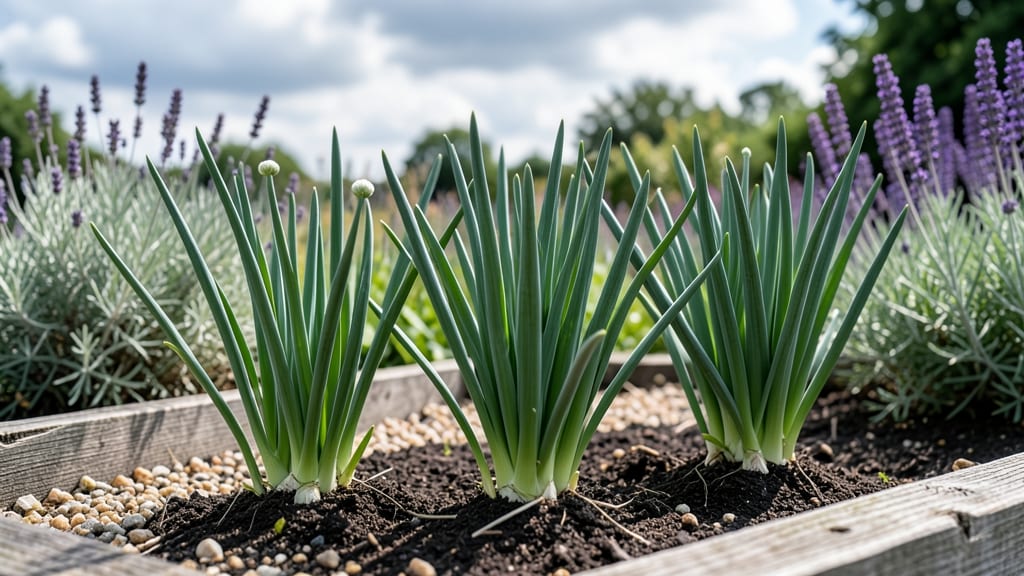
Bunching onions aren't true perennials, but they often regrow yearly from their base in mild climates, creating the illusion of perennial behavior. While their green tops die back in winter, the bulbous roots can survive underground for 2-3 years before weakening.
This growth pattern makes them act like short-lived perennials or biennials, where the plant stores energy in its roots during dormancy. 🌱 The key difference from true perennials is that bunching onions eventually exhaust their root systems, requiring division or replanting every few years.
In colder regions, even the roots may not survive harsh winters, forcing gardeners to treat them as annuals.
What sets them apart is their ability to regenerate from the base after cutting—unlike true perennials that sprout from established root systems. This makes them incredibly practical for gardeners who want a steady supply of green onions without replanting each season.
💡 In This Article
- Why Bunching Onions Die Back: The Science of Their Growth Cycle
- How to Extend Bunching Onions’ Lifespan in Your Garden
Why bunching onions die back: the science of their growth cycle
Bunching onions (Allium fistulosum) undergo a fascinating biological process that explains their apparent perennial behavior. Unlike true perennials, which regrow from established root systems year after year, bunching onions behave more like biennials or short-lived perennials.
Their growth cycle hinges on temperature cues: as days shorten and temperatures drop below 50°F (10°C), the plant triggers dormancy. This causes the green tops to yellow and collapse, while the bulbous base remains dormant underground. 🌱
The key mechanism lies in their storage organs—thickened leaf bases that store carbohydrates and nutrients. These bulbs can sustain the plant through winter, allowing regrowth in spring. However, this storage capacity depletes over time, typically after 2-3 years, when the roots weaken and the plant's ability to regenerate diminishes.
This is why many gardeners observe bunching onions acting like perennials for a few seasons before needing replacement.
Temperature plays a critical role in this cycle. In USDA Zones 5-7, where winters drop below 20°F (-7°C), even the roots may fail to survive, forcing gardeners to replant annually.
In milder climates (Zones 8+), the roots often persist for multiple years, creating the illusion of true perennial behavior. The plant's ability to regenerate from the base—even after cutting—stems from these stored nutrients in the bulbous base. 💡
What makes this growth pattern unique is the plant's response to cutting. Unlike true perennials that rely on established root systems, bunching onions regenerate from their basal plates (the swollen leaf bases).
This ability to produce new shoots from the base is why they're often called "evergreen onions," though their true longevity is limited by root exhaustion. The trade-off is their remarkable adaptability: they can be harvested repeatedly without replanting for 1-2 years in optimal conditions.
Here's what happens at the cellular level: during dormancy, the plant redirects energy from leaf growth to root and bulb development. This process, called autumnal senescence, ensures survival through cold periods.
When spring arrives, the stored nutrients fuel rapid regrowth. However, each cycle of dormancy and regrowth draws down these reserves, eventually leading to decline. 🌿
Consider this comparison: true perennials like asparagus regrow from thick, woody roots that persist indefinitely, while bunching onions rely on less robust storage organs. This fundamental difference explains why bunching onions eventually weaken, even in ideal conditions. The plant's survival strategy prioritizes short-term resilience over long-term persistence.
For gardeners, understanding this cycle reveals why bunching onions thrive in cool-season climates but struggle in extreme heat or cold. Their growth pattern is a perfect example of nature's balance between adaptability and resource management—allowing them to regenerate year after year while eventually requiring renewal. 🌱