
Plants
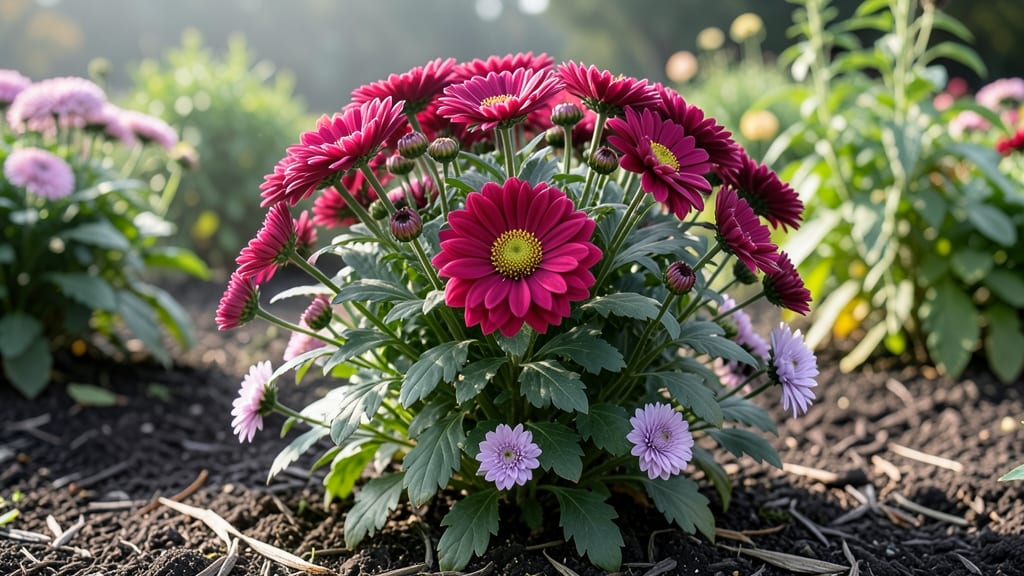
Chrysanthemums are perennial plants that thrive in USDA zones 5-9, returning each year with proper fall care—but their winter survival depends on the specific variety and growing conditions.
Most gardeners love chrysanthemums for their vibrant fall blooms, but their perennial nature isn't automatic. 🌸 In colder zones (like 5), these plants often die back to the ground in winter only to regrow from their roots in spring—a classic perennial behavior.
The key difference? Some hardy varieties (like 'Hardy Yellow' or 'Dwarf Yellow') can withstand 10°F temperatures, while tender types need winter protection. I've seen gardeners extend their blooming seasons by adding thick mulch or moving potted plants to sheltered spots during frost.
What sets chrysanthemums apart is their ability to rebloom annually if given consistent care. Unlike annuals that complete their life cycle in one season, perennials like these store energy in their roots during dormancy.
This means with proper winter prep, you can enjoy their cheerful flowers year after year—though in marginal zones, they might need extra insulation to survive harsh winters.
💡 In This Article
- Chrysanthemum Hardiness Zones and Cold Tolerance
- Extending Chrysanthemum Lifespan in Cold Climates
Chrysanthemum hardiness zones and cold tolerance
Chrysanthemums thrive as perennials because they've evolved to survive seasonal changes through a clever biological process called vernalization. This means they require exposure to cold temperatures (typically 40-50°F for several weeks) to trigger their spring regrowth.
In USDA zones 5-9, this natural cycle works perfectly—plants die back in winter but regenerate from their root systems when temperatures warm. The magic happens in their root crowns, which contain specialized cells that remain dormant yet viable until spring.
The cold tolerance varies dramatically by cultivar. Hardy varieties like 'Hardy Yellow' or 'Dwarf Yellow' can handle temperatures down to 10°F without protection, while tender types such as 'Crimson King' struggle below 20°F.
This explains why gardeners in zone 5 often see their chrysanthemums return year after year, while those in zone 4 might need winter protection. The key difference lies in their cellular structure—hardy varieties produce more protective sugars and proteins in their cells during cold snaps, acting like natural antifreeze.
What's fascinating is how chrysanthemums use photoperiodism to control their blooming cycle. In fall, shorter daylight hours trigger flower production, but their perennial nature depends on surviving winter's dormancy period. During dormancy, their metabolic rate drops by 70-80%, conserving energy until spring's lengthening days signal regrowth.
This biological adaptation explains why well-established plants in zone 6 can survive winters with minimal intervention, while younger plants need extra care.
Temperature thresholds become critical during sudden freezes. Most chrysanthemums can handle 20°F for short periods, but prolonged exposure below 15°F risks damaging their root systems.
This is why gardeners in marginal zones (like zone 5's northern edge) often see their plants struggle—it's not just about the lowest temperature, but how long it stays cold. The root zone needs to remain above 10°F for more than 24 hours to prevent irreversible damage.
Another factor is soil moisture during dormancy. Too much water in the soil can actually increase cold damage by creating ice crystals that rupture cell walls. This is why fall watering should taper off completely by late autumn—keeping the soil slightly dry helps protect the roots.
In contrast, slightly moist soil during active growth (spring and summer) helps build stronger root systems for winter survival. The ideal balance is like Goldilocks: not too wet, not too dry, but just right for winter resilience.
Consider these key factors when choosing cultivars for your climate:
- Zone 5-6: Opt for hardy types like 'Hardy Yellow' or 'Dwarf Yellow'—they'll return reliably with basic winter care
- Zone 7-9: Most varieties thrive, but watch for summer heat stress which can weaken plants before winter
- Zone 4 or colder: Treat as annuals or use heavy mulch (6+ inches) and cold frames for overwintering
Understanding these biological mechanisms helps explain why some gardeners get perennial blooms while others struggle—it's not just about the plant, but the perfect combination of variety, climate, and care. 🌿