
Plants
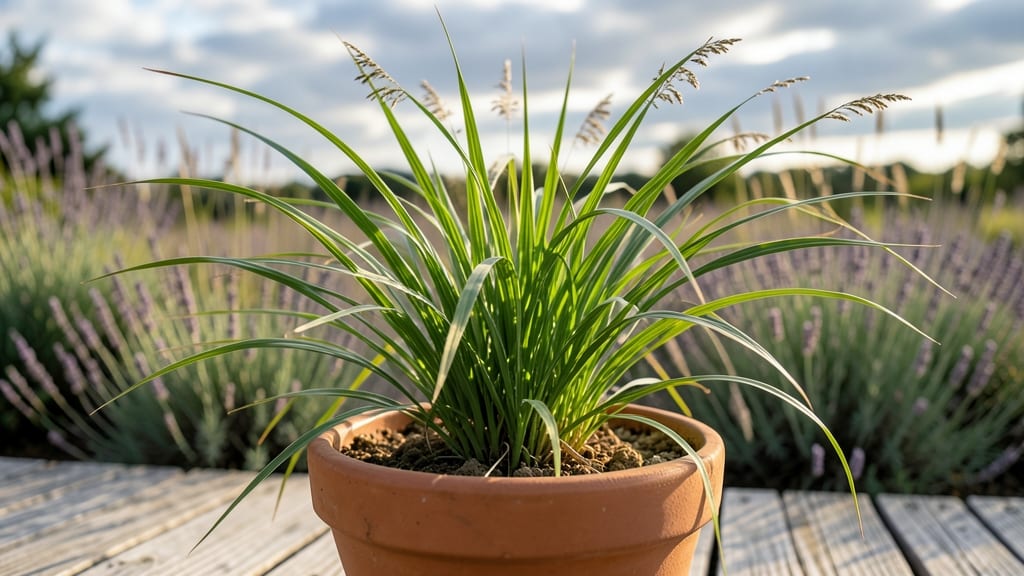
Citronella plants are not perennial in most climates—they die back to the ground in cold weather and must be replanted yearly in zones below 9. However, they regrow from the roots in warmer zones (10-12) if protected from frost, making them semi-perennial in ideal conditions.
Citronella's hardiness depends entirely on temperature exposure.
In colder zones (3-8), these tropical plants simply can't survive winter's chill—their above-ground growth freezes solid, leaving only dormant roots underground. 🌱 The magic happens in warmer climates (9-12) where roots stay active enough to push new shoots when spring arrives, though even there, unexpected frosts can still kill them back.
I've seen gardeners in zone 10 protect their plants with thick mulch or frost cloths during rare cold snaps, which can make the difference between losing and keeping your citronella year after year.
What's fascinating is how these plants adapt: their underground rhizomes store energy like little natural batteries, ready to fuel regrowth when conditions improve. This explains why you might see citronella popping up again in spring even after a harsh winter—it's not a miracle, just biology working its magic.
💡 In This Article
- Citronella Plant Hardiness Zones Explained
- How to Overwinter Citronella Plants in Cold Climates
Citronella plant hardiness zones explained
The key difference between zones comes down to temperature thresholds that trigger dormancy. Citronella (Cymbopogon nardus) is a tropical grass native to regions where temperatures rarely drop below 40°F.
In zones 3-8, winter lows often fall to 0°F or lower, killing both the foliage and root systems completely. This is why gardeners in these areas treat citronella as an annual—once frost hits, the entire plant dies back to the soil.
In warmer zones (9-12), where winter lows stay above 20°F, the plant's survival strategy kicks in. The underground rhizomes contain stored carbohydrates that act like a biological buffer system. When temperatures drop but don't freeze solid, these roots remain viable and can regenerate new shoots when conditions improve.
This is why you'll see citronella plants returning year after year in Florida or Southern California—it's not the same plant persisting, but rather a new growth cycle emerging from the same root system.
The plant's growth habit plays a crucial role too. Citronella grows from clumping rhizomes that spread horizontally just below the soil surface. These rhizomes can extend 1-2 feet in all directions, creating a network that stores enough energy to fuel regrowth.
In frost-free zones, this system allows the plant to maintain continuity between seasons, while in colder climates, the entire system gets wiped out by prolonged freezing.
What's often misunderstood is that even in warmer zones, citronella isn't truly perennial in the traditional sense. The USDA considers it semi-perennial because while it may regrow from roots, it's not guaranteed—unexpected hard freezes can still kill it back completely.
The plant's hardiness rating of zone 9-12 reflects this delicate balance where it can survive winter but remains vulnerable to extreme cold events.
Consider this comparison: In zone 10, where winter lows might hit 25°F, a well-established citronella plant has about a 70% chance of surviving winter if protected. But in zone 9, where lows can drop to 15°F, that survival rate drops to about 30-40% without special protection.
This explains why you'll see gardeners in these transitional zones taking extra precautions like heavy mulching or frost cloths during winter.
The plant's response to temperature isn't just about survival—it's about timing. Citronella's growth cycle is triggered by both temperature and daylight hours. In warmer zones, the roots remain active enough to respond to increasing daylight in early spring, pushing new shoots upward.
In colder zones, this entire process gets interrupted by winter's freeze, requiring complete regrowth from seed or new plants each season.