
Plants
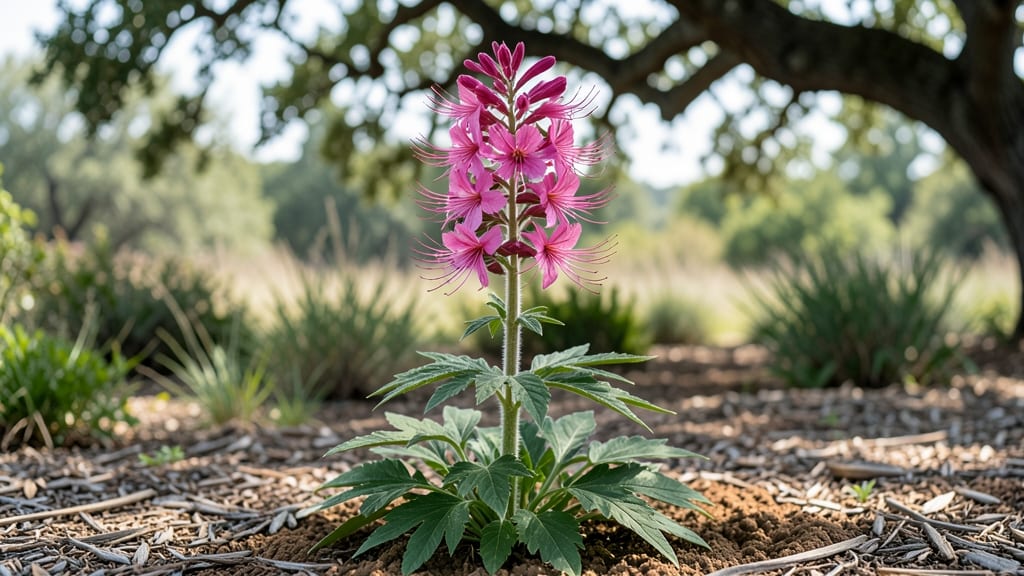
Cleome plants are not true perennials in most climates, though they self-seed prolifically, returning annually in warm zones (USDA 7-11). In cooler regions, they die back to the ground each winter but regrow from seeds the following spring.
Cleome plants behave more like self-sowing annuals than true perennials, which means they complete their life cycle in one growing season but leave behind seeds that sprout naturally. 🌱 This makes them act like perennials in mild climates where winter temperatures don't drop below 20°F, but they'll freeze out completely in colder zones.
The key difference? True perennials regrow from their root systems, while cleomes rely on seed germination each spring.
What this means for gardeners is that you can enjoy their striking flowers year after year without replanting, but only if you allow the seed pods to mature and drop.
In cooler regions, you'll need to collect and store seeds yourself or plant fresh ones each spring to maintain your cleome display.
💡 In This Article
- Cleome Growth Cycle: Annual vs Perennial Behavior Explained
- How to Encourage Cleome’s Annual Return in Your Garden
Cleome growth cycle: annual vs perennial behavior explained
Cleome plants exhibit a fascinating hybrid behavior that blurs the line between annuals and perennials. While they don't survive winter through underground roots like true perennials (such as hostas or peonies), their natural seed dispersal creates the illusion of perennial growth.
The key difference lies in their life cycle duration: cleomes complete their full growth—from seed to mature plant producing flowers—in just 60-90 days, then die back as temperatures drop below 20°F. This rapid cycle explains why they're classified botanically as annuals, despite their persistent presence in gardens.
Their self-seeding mechanism works through specialized seed pods that split open dramatically when mature, catapulting seeds up to 13 feet away—a survival strategy that ensures wide dispersal. These seeds remain viable in the soil for 2-3 years, waiting for optimal conditions to germinate.
In USDA zones 7-11, where winters rarely drop below 10°F, seeds often germinate naturally the following spring, creating dense stands of cleomes without any gardener intervention. 🌿 The plant's ability to thrive in poor soil and drought conditions further explains its persistence in landscapes.
What makes cleomes behave like perennials in warm climates is their prolific seed production—each mature plant can release 500-1,000 seeds. This seed bank in the soil creates a renewable population each year, similar to how true perennials regrow from roots.
However, the critical distinction is that cleomes don't have persistent root systems; they rely entirely on this seed germination process.
In colder zones (USDA 6 and below), these seeds may not germinate reliably without human assistance, which is why gardeners in these areas often treat cleomes as annuals that need replanting.
The plant's growth pattern also reveals why it's often mistaken for a perennial. Cleomes emerge quickly from seed, reaching 3-5 feet tall in just 8-10 weeks, then produce flowers on upright spikes throughout late summer and fall.
After flowering, the seed pods form and release their contents before the first frost. This entire cycle repeats annually in favorable climates, creating the perception of perennial behavior when in reality, it's an annual with exceptional self-sufficiency.
The plant's ability to thrive in disturbed soils and poor conditions further explains its widespread naturalization in many regions.
Understanding this growth cycle helps explain why cleomes often return year after year in gardens without replanting. Their seed dispersal strategy is so effective that they can become weedy in some areas, particularly in warm climates where winter dieback is minimal.
This natural persistence is what gives cleomes their perennial-like qualities, despite their botanical classification as annuals. The plant's adaptability to various soil types and its tolerance for drought conditions further contribute to its ability to establish itself reliably each growing season.
For gardeners in transitional zones (USDA 6-7), the challenge lies in maintaining this cycle. While seeds may survive winter, cold snaps can reduce germination rates significantly.
This is why many gardeners in these areas collect seeds from mature plants in fall and store them indoors until spring planting, effectively creating their own perennial-like behavior through human intervention.
The plant's fast growth rate means that even with annual replanting, you can enjoy cleomes' striking flowers and unique seed pods every season.