
Plants
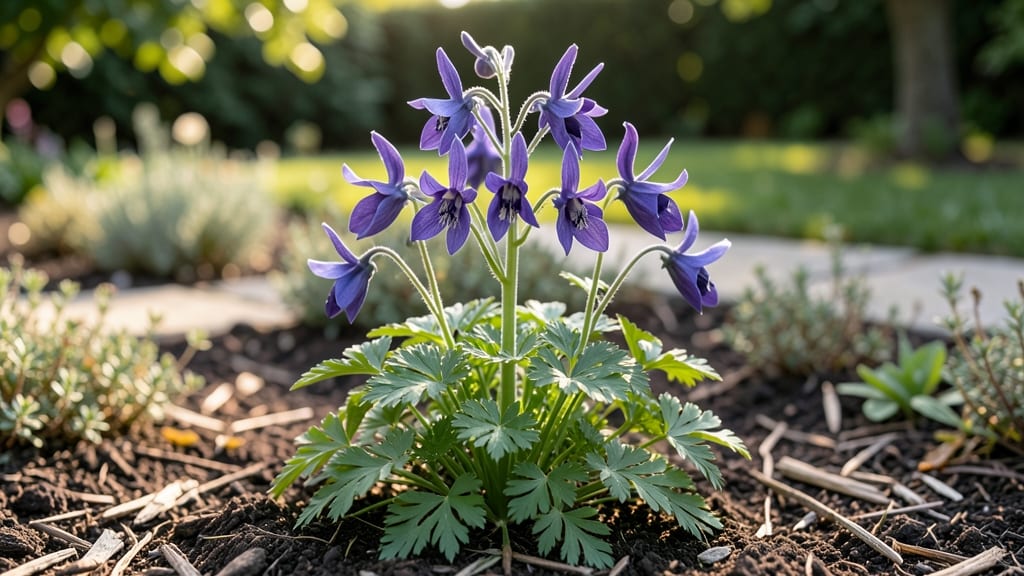
Columbines are perennials in USDA zones 3-8, meaning they'll regrow each spring with consistent care—though some varieties may retreat underground in extreme cold or drought. Their vibrant blooms love cool weather and reward gardeners with multiple bloom cycles when properly maintained.
These hardy yet delicate flowers have a secret survival strategy: their deep root systems store energy for winter, allowing them to bounce back stronger each season. 🌱 What's fascinating is how their cold tolerance varies—some alpine varieties thrive in zone 3's subzero temps, while others in zone 8 need winter protection.
The key to their perennial success lies in mimicking their natural mountain habitat with well-draining soil and moisture that mirrors spring's gentle rains.
For gardeners eager to see those nodding blooms return, the secret weapon is deadheading spent flowers while keeping the soil consistently moist but never soggy. I've found that a light application of compost in early spring gives them the nutrient boost they need to put on their best show.
The trade-off? Columbines are particular about their growing conditions—too much heat or humidity, and they'll sulk, but get those conditions right, and you'll enjoy their cheerful faces from late spring through summer.
💡 In This Article
- Columbine Cold-Hardiness and Winter Survival Strategies
- Maximizing Columbine Reblooming in Gardens
Columbine cold-hardiness and winter survival strategies
Columbines survive winter through a clever biological adaptation: their deep, fibrous root systems store carbohydrates and nutrients like a natural battery. These roots can extend 12-18 inches below the surface, allowing them to access moisture and nutrients even when the ground freezes.
The key is their ability to enter dormancy—leaves and stems die back, but the crown and roots remain alive, ready to regenerate when temperatures rise. This is why you'll often see them peeking through snow in late winter or early spring, a sign of their remarkable resilience.
Their cold tolerance varies dramatically by variety. Alpine columbines, like Aquilegia alpina, thrive in USDA zone 3 where winter temps drop to -30°F, while woodland types like Aquilegia canadensis prefer zone 4-5 with milder winters.
The difference comes down to their native habitats—alpine species evolved to handle freezing winds and short growing seasons, while woodland types adapted to deeper snow cover. What all columbines share is a preference for well-draining soil; waterlogged roots during winter can cause rot, even in cold climates. 🌨️
Extreme conditions—whether subzero temperatures or prolonged drought—can push columbines to their limits. In zone 8, where winters are mild but summers can be hot and dry, these plants may struggle without protection.
I've found that mulching with 2-3 inches of organic matter (like shredded leaves or straw) in late fall helps insulate roots while preventing soil temperature swings.
For gardeners in marginal zones, choosing native varieties adapted to local conditions gives them the best chance of survival—these plants have evolved alongside the climate for millennia.
One common misconception is that all columbines are equally hardy. Some hybrid varieties, bred for showy blooms rather than cold tolerance, may act more like biennials—flowering once before dying back. The solution? Select cold-hardy species like Aquilegia vulgaris (European columbine) or Aquilegia formosa (Western columbine) for guaranteed perennial performance.
These species have thicker root crowns that withstand freeze-thaw cycles better than their more delicate cousins.
What truly sets columbines apart is their ability to "cheat" winter dormancy when conditions are just right. In mild winters (like those in zone 7-8), they may produce early spring blooms before the ground even thaws—a phenomenon called "vernalization."
This happens because their growth is triggered by specific temperature cues rather than just daylight hours. The trade-off? These early blooms are often less robust than summer flowers, which is why deadheading becomes crucial for encouraging stronger second flushes later in the season.
For gardeners pushing the limits of columbine hardiness, here's a pro tip: plant them in sheltered microclimates—near south-facing walls, under deciduous trees (which provide winter shade but let in spring sun), or in raised beds that drain quickly.
These small adjustments can mean the difference between a plant that survives and one that thrives. The science is clear: columbines aren't just tough—they're strategists, using every environmental cue to their advantage. 🌱