
Orchid Care
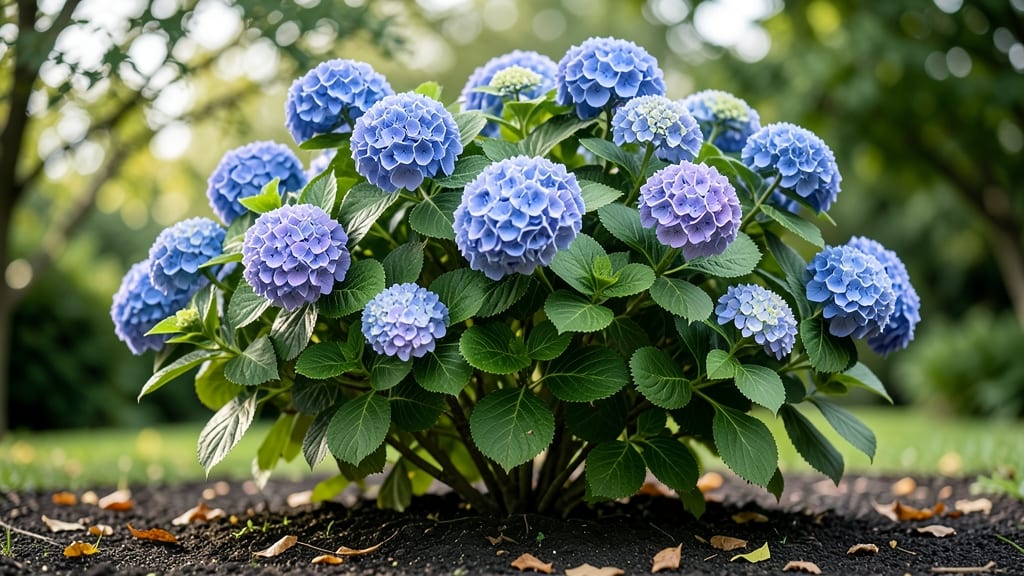
Endless Summer hydrangeas are technically perennials but behave like semi-evergreen shrubs in cold climates, often suffering dieback in winter zones below 5-6. Their hardiness depends on winter protection and local microclimates, not just USDA zones.
Endless Summer hydrangeas might seem like true perennials, but their behavior in cold winters tells a different story. 🌿 While they technically survive year after year, their leaves often brown and die back during harsh freezes, only to regrow from the base in spring.
This semi-evergreen habit means they're more resilient than annuals but need extra care in colder regions to thrive. The key lies in understanding how these plants adapt to temperature shifts and what you can do to support their survival.
What sets Endless Summer apart is their ability to rebloom on old wood, but this trait comes with a trade-off: their sensitivity to cold snaps. In zones 5-6, many gardeners swear by heavy mulching and protective burlap wraps to prevent frost damage.
I've seen firsthand how a sheltered spot near a south-facing wall can make all the difference in extending their growing season. The real test comes when winter arrives—whether they'll bounce back or struggle to recover depends on how well you prepare them for the cold.
💡 In This Article
- Why Endless Summer Hydrangeas Die Back in Winter
- Protecting Endless Summer Hydrangeas in Cold Zones
Why Endless Summer hydrangeas die back in winter
The key to understanding Endless Summer's winter behavior lies in their semi-evergreen nature. Unlike true perennials that maintain green foliage year-round, these hydrangeas keep some leaves through mild winters but lose them when temperatures drop below 20°F.
This dieback isn't fatal—it's a survival mechanism where the plant conserves energy by shedding vulnerable foliage while protecting its dormant buds at the base.
Here's what actually happens during cold snaps: The plant's cells produce antifreeze proteins that prevent ice crystal formation in stems, but only up to a point. When temperatures stay below 15°F for extended periods, these proteins become overwhelmed, causing leaf tissue to blacken and crisp.
The good news is the plant's crown (the underground stem) remains alive, storing energy to fuel new growth in spring. This is why you'll often see bare stems in winter that burst with fresh leaves by May.
What most gardeners don't realize is how microclimates affect this process. A hydrangea planted against a south-facing wall might maintain some green leaves through winter in zone 5, while one in an open, windy area will show full dieback.
The difference comes down to 10-15°F of temperature protection from the structure. Wind chill alone can drop effective temperatures by 10-20°F, accelerating the dieback process.
The regrowth pattern reveals their semi-perennial nature. True perennials like hostas regrow from underground rhizomes, while Endless Summer hydrangeas rely on their crown buds. These buds form at the base of stems during the previous growing season, containing all the genetic information needed for new shoots.
When spring temperatures consistently stay above 40°F for 3-4 weeks, these buds break dormancy and produce the familiar lush foliage we associate with hydrangeas.
This semi-evergreen behavior explains why Endless Summer hydrangeas often look like annuals in harsh winters. The confusion arises because while they technically survive year after year, their winter appearance can be deceptive.
In zones 4-5, gardeners frequently report seeing "dead" plants in winter that surprise them with full regrowth in spring—a testament to the plant's resilience when properly cared for.
Consider this comparison: A true evergreen like boxwood maintains green leaves year-round, while Endless Summer hydrangeas act more like deciduous shrubs that happen to keep some leaves through mild winters.
The key difference is in their energy conservation strategy—hydrangeas prioritize protecting their reproductive buds over maintaining foliage during cold periods. 🌱