
Orchid Care
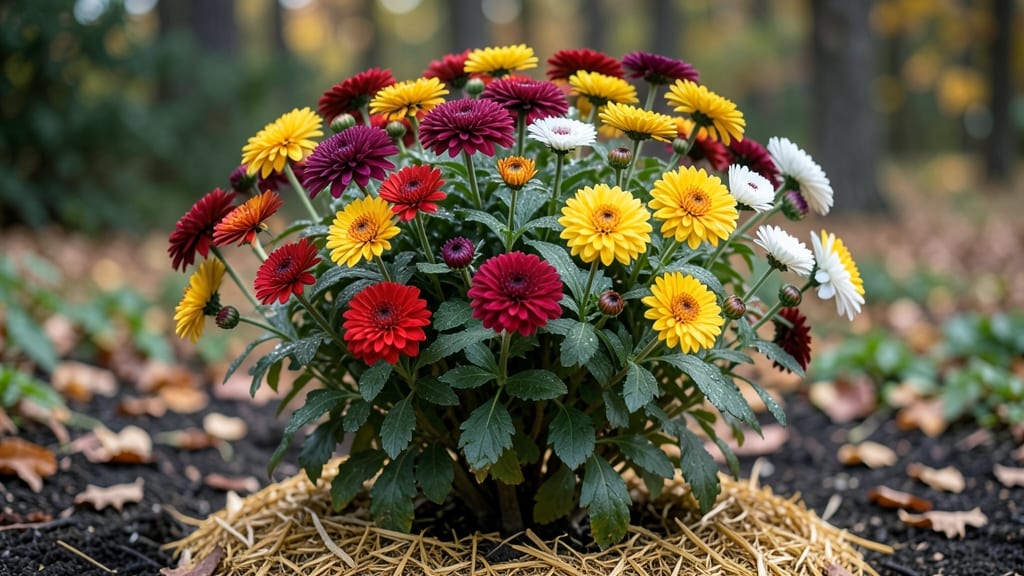
Fall mums aren't true perennials—they die back after blooming but can sometimes regrow with proper care. Most commercial varieties are bred for one-season performance, though their roots may survive in warmer climates or with indoor overwintering.
These plants are often called "annuals" because they're typically discarded after flowering, but their roots can persist if conditions are right. 💫 The key difference from true perennials like chrysanthemums lies in their cold sensitivity—most varieties can't withstand freezing temperatures.
I've found that in zones 7-9, mums often regrow naturally if left undisturbed, while colder regions need careful overwintering techniques. The breeding focus on vibrant fall color and long vase life means many lack the hardiness of perennial chrysanthemums.
What's interesting is how their lifecycle works: after flowering, the foliage dies back to conserve energy, with roots remaining dormant until spring. This survival strategy explains why some gardeners successfully revive them year after year with minimal effort.
The trade-off is that commercial varieties prioritize showy blooms over longevity—something to consider when choosing plants for perennial gardens.
💡 In This Article
- Why Fall Mums Act Like Annuals Despite Perennial Roots
- How to Overwinter Fall Mums for Next Year’s Blooms
Why fall mums act like annuals despite perennial roots
Fall mums belong to the Chrysanthemum × grandiflorum group, which technically includes both annual and perennial varieties. The confusion stems from how they're bred—most commercial mums are developed for one spectacular fall season rather than long-term survival.
Their roots can persist through winter in mild climates (zones 7-9), but the above-ground growth dies back completely after flowering, a survival mechanism called senescence. This programmed dormancy conserves energy in the roots until spring, much like true perennials—but with critical differences.
The key distinction lies in their cold hardiness.
True perennial chrysanthemums (like Chrysanthemum morifolium) can survive -20°F to -30°F with proper mulching, while most fall mums struggle below 20°F. 🌱 Breeders prioritize vibrant fall color and long vase life over winter resilience, often sacrificing hardiness for showy blooms.
The roots may remain alive in protected microclimates (like under mulch or in containers), but the plant won't regrow until temperatures consistently stay above 50°F for several weeks.
What's fascinating is how their growth cycle works: after flowering, the plant redirects nutrients from leaves to roots, creating a storage reserve similar to bulbs. This explains why some gardeners successfully revive mums year after year—if the roots survive winter, they can produce new shoots in spring.
However, this takes 3-4 weeks of consistent warmth, which is why many gardeners treat them as annuals despite their biological potential.
Another factor is their photoperiod sensitivity. Fall mums are short-day plants that bloom when daylight drops below 12 hours, a trait bred for autumn displays. This same sensitivity makes them less reliable for perennial performance, as they may not rebloom predictably even if roots survive.
True perennials like hardy chrysanthemums have more flexible flowering triggers and better cold tolerance built into their genetics.
Consider this comparison: a true perennial chrysanthemum might produce 3-5 years of blooms with minimal care, while a fall mum's lifespan as a perennial is typically 1-2 years unless actively overwintered. The trade-off is clear—vibrant fall color now versus potential longevity later.
For gardeners in colder zones, this biological reality explains why most mums are treated as annuals despite their technical classification as herbaceous perennials.
What most people don't realize is that the container-grown mums sold in fall often have smaller, weaker root systems than garden-planted varieties, making them less likely to survive overwintering.
These potted plants are bred for immediate visual impact rather than long-term viability, which is why garden centers rarely offer perennial mum varieties—they're simply not profitable for mass production. 💫