
Plants
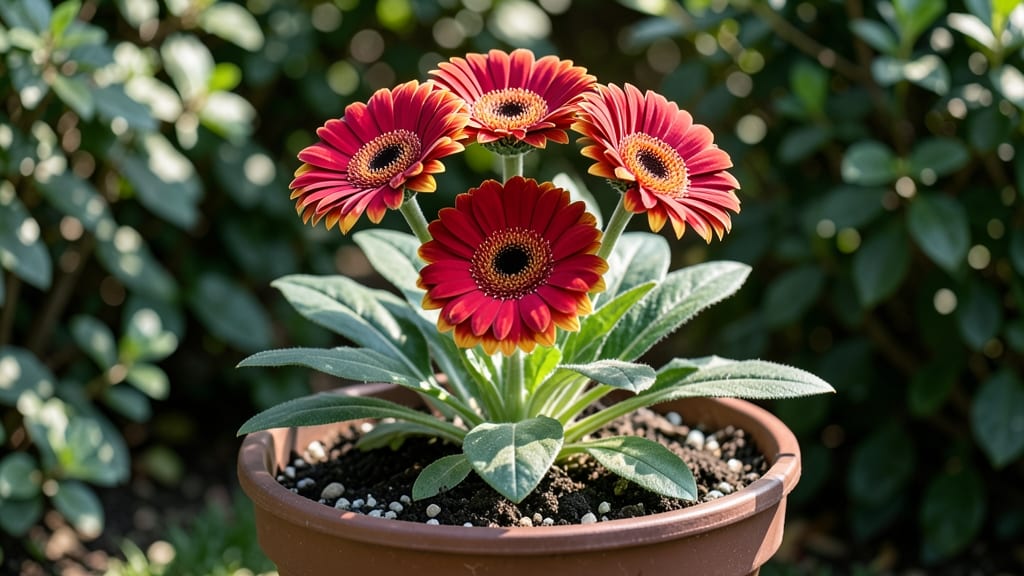
Gerbera daisies are not true perennial plants in most climates, though they can act as tender perennials in USDA zones 10-11. In colder regions, they typically die back each winter but may regrow from roots if properly protected or replanted annually. Their ability to survive winter hinges entirely on environmental conditions.
Gerbera daisies are classified as tender perennials because they can't withstand freezing temperatures—most varieties succumb to frost damage below 28°F. 🌱 Unlike hardy perennials like daylilies, their root systems aren't cold-resistant enough to regenerate naturally through winter.
However, gardeners in cooler zones can extend their lifespan by digging up tubers before the first frost and storing them indoors until spring. This makes them more like annuals than true perennials in most growing regions.
The key difference lies in their origin: gerberas thrive in subtropical climates where winters rarely drop below freezing. When planted in colder zones, they behave more like seasonal plants—requiring annual replanting unless you take special overwintering measures.
Many gardeners treat them as short-lived perennials because they can bloom for multiple years if given proper care, but their true classification remains tender rather than hardy.
💡 In This Article
- Why Gerbera Daisies Die Back in Cold Climates
- How to Overwinter Gerbera Daisies in Chilly Zones
Why gerbera daisies die back in cold climates
Gerbera daisies originate from subtropical regions of Africa and Asia, where temperatures rarely drop below 50°F during winter. Their root systems lack the natural cold resistance found in true perennials like coneflowers, which can survive -20°F winters.
When exposed to frost (32°F or below), gerbera roots and tubers begin to break down—cell membranes rupture, and stored nutrients degrade. This process is irreversible once temperatures fall below 28°F for more than 4-6 hours. 🌱
The key difference lies in their growth habit: true perennials develop deep, woody root systems that store energy for regrowth, while gerberas rely on fleshy tubers that are sensitive to freezing. Even a light frost can kill the above-ground foliage, but it's the root damage that prevents regrowth.
For comparison, black-eyed Susans (a true perennial) can regenerate from roots after -30°F exposure, whereas gerberas typically fail below 25°F. This makes them behave like annuals in most U.S. growing zones.
What most gardeners don't realize is that gerberas enter a state of dormancy when temperatures drop, but this isn't true winter hardiness—it's a survival mechanism that fails when frost occurs. The tubers may shrink and become dormant, but they won't regenerate without warm soil temperatures (60°F+) in spring.
This is why you'll often see gerberas sold as "tender perennials"—they can survive multiple growing seasons in ideal conditions but aren't built for cold winters. 💛
Another critical factor is their water needs during dormancy. Unlike hardy perennials that can tolerate dry winters, gerbera tubers require consistent moisture to prevent desiccation. When combined with freezing temperatures, this dual stress accelerates root death.
In zones 8-9, where winters occasionally dip below freezing, gerberas may survive one winter but typically fail in subsequent cold snaps without protection.
Botanically speaking, gerberas are classified as geophytes—plants that store nutrients underground in modified stems (tubers). These tubers are designed for seasonal dieback in their native habitats, but they're not equipped to handle the prolonged cold and freeze-thaw cycles of temperate climates.
This fundamental difference explains why gerberas thrive as perennials in Florida but behave as annuals in New England. 🌟
For visual comparison, imagine a cactus (which stores water in its stems) versus a maple tree (which stores energy in deep roots). Gerberas are more like the cactus—they can survive dry periods but can't handle frost.
True perennials like peonies are the maple trees: they can regrow from deep, protected root systems even after harsh winters. This structural difference is why gerbera care requires such different approaches in cold climates.