
Flowers
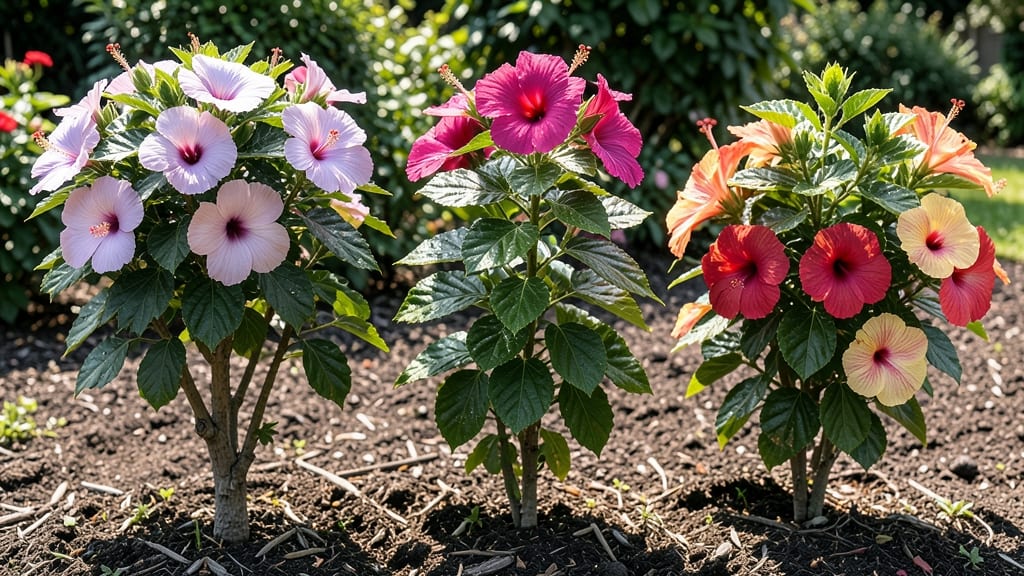
Hibiscus are perennial flowers in warm climates but often treated as annuals in colder regions, as freezing temperatures typically kill them back to the ground. Tropical hibiscus varieties survive year-round only in USDA Zones 8-11 without winter protection.
Hibiscus thrive as perennials in frost-free zones where they can regrow each spring from their roots, but their tropical nature makes them vulnerable to cold. 🌿 In cooler regions, gardeners often replant them annually because frost damages foliage and stems, though the roots may survive in milder winters.
Hardy hibiscus varieties, like Hibiscus moscheutos, can withstand cooler temperatures down to USDA Zone 5 with proper winter care, while tropical types like Hibiscus rosa-sinensis need protection below Zone 11.
The key difference lies in their genetic hardiness—some hibiscus species have evolved to handle seasonal changes, while others require year-round warmth.
Understanding this distinction helps gardeners choose the right variety for their climate and implement strategies like mulching or container growing to extend the plant's lifespan. For example, wrapping the base in burlap or moving potted plants indoors can make all the difference in colder months.
The decision to treat hibiscus as annuals or perennials often comes down to local winter conditions and how much effort you're willing to invest in winter care.
💡 In This Article
- How Cold Weather Affects Hibiscus Lifespan
- Extending Hibiscus Life in Cold Climates
How cold weather affects hibiscus lifespan
The hibiscus plant's cold sensitivity stems from its tropical origins, where temperatures rarely drop below 40°F. When exposed to frost (32°F or lower), the plant's above-ground growth freezes and dies back to the ground.
However, the roots often survive if protected, allowing regrowth in spring. This is why hibiscus are considered perennials in frost-free climates—they regenerate from their root systems each year.
Two main hibiscus types demonstrate this contrast: tropical hibiscus (Hibiscus rosa-sinensis) and hardy hibiscus (Hibiscus moscheutos). Tropical varieties can't tolerate freezing temperatures at all, while hardy hibiscus can survive down to -10°F with proper winter care.
The difference lies in their cellular structure—hardy varieties have evolved thicker cell walls and antifreeze proteins that protect their tissues during cold snaps.
USDA hardiness zones provide a clear guideline: hibiscus thrive as perennials in Zones 8-11 without protection. In Zone 7, they may survive winters with heavy mulching, while Zones 6 and below typically require container growing or indoor overwintering.
The transition zone (Zone 7) is particularly tricky, as even a single hard freeze can kill back tropical hibiscus completely.
What most gardeners don't realize is that hibiscus roots can survive temperatures as low as 15°F if properly insulated. The key is protecting the root zone with 12+ inches of mulch (straw or leaves work best) and wrapping the base with burlap.
This creates an insulating blanket that maintains soil temperatures above freezing, allowing the roots to remain dormant rather than frozen.
Dormancy is the hibiscus's natural survival strategy in cooler climates. When temperatures drop, the plant sheds its leaves and stems but maintains metabolic activity in its roots. This state of suspended growth allows it to rebound quickly in spring, provided the roots weren't damaged by freeze-thaw cycles.
The timing of dormancy varies by variety—some hardy hibiscus enter dormancy at 50°F, while tropical types remain active until frost.
Consider this comparison: a tropical hibiscus in Zone 8 without protection will die back completely each winter, while a hardy hibiscus in the same zone with proper mulching will regrow from its roots.
The difference isn't just about temperature tolerance—it's about the plant's ability to balance growth and survival mechanisms. 🌱
For gardeners in marginal zones (like Zone 7), the decision to treat hibiscus as annuals or perennials often comes down to how much winter protection they're willing to provide.
With the right care, even tropical hibiscus can survive multiple winters in colder regions, but it requires consistent effort and attention to detail.