
Orchid Care
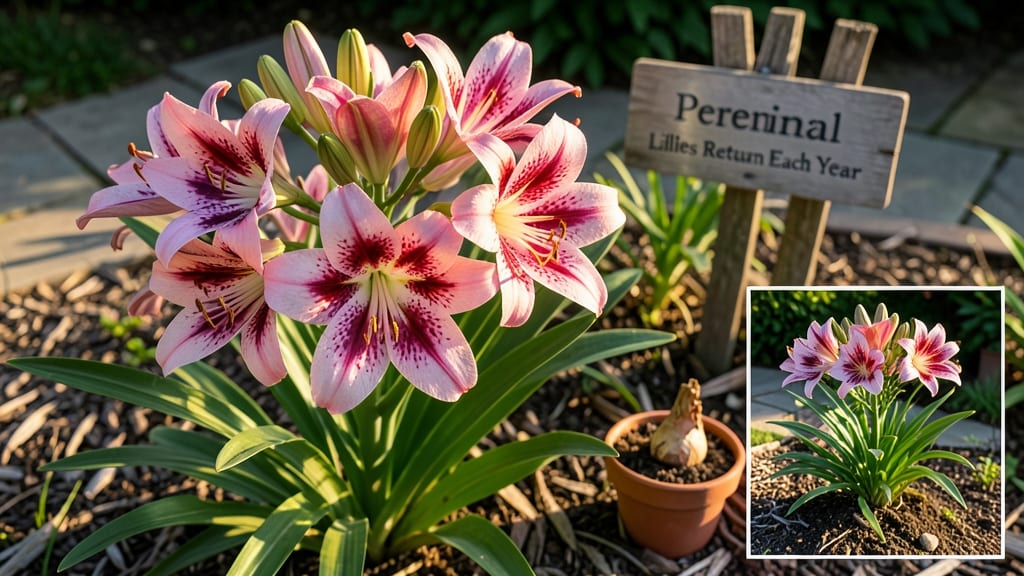
Are lilies annuals or perennials? Most lilies are perennials in temperate climates, regrowing each year from their energy-storing bulbs, while tropical varieties often behave as annuals in colder regions due to frost sensitivity.
Lilies' perennial nature depends entirely on their hardiness zone compatibility. 🌱 For example, Asiatic and Oriental lilies—common garden perennials—survive winters in USDA zones 3-8 by entering dormancy, while rain lilies (like Zephyranthes) freeze easily and must be replanted yearly.
The key difference lies in bulb storage: hardy perennials store nutrients underground through winter, while tender annuals can't withstand frost and must restart from seed or new bulbs each spring.
This growth cycle explains why some gardeners see lilies return faithfully while others struggle—it's not just about the plant, but your local climate. I've found that even "perennial" lilies need winter mulch in marginal zones to protect their bulbs, turning them into semi-perennials with extra care.
💡 In This Article
- How Lily Growth Cycles Differ by Climate and Variety
- Year-Round Lily Care for Perennial Success
How lily growth cycles differ by climate and variety
The perennial nature of lilies comes down to their bulb's ability to store carbohydrates and nutrients during dormancy. Hardy lilies like Asiatic and Oriental varieties can survive USDA zones 3-8, where winter temperatures drop to -34°F to 20°F.
Their bulbs enter a state of dormancy when soil temperatures fall below 50°F, halting growth but preserving energy for spring regrowth. This process is similar to how tulip bulbs survive winter—except lilies often have thicker, more fibrous bulb layers that better resist rot in wet conditions.
Tropical lilies, like rain lilies (Zephyranthes) or spider lilies (Hymenocallis), lack this cold tolerance. Their bulbs or corms can't withstand below 25°F temperatures, which is why they behave as annuals in colder climates.
What's fascinating is how these tropical varieties compensate: they grow from seed or offsets quickly in warm seasons, completing their life cycle in just 6-8 months. The trade-off is their inability to store enough energy for winter survival, making them dependent on replanting each year.
Even within perennial lilies, there's variation. For instance, Stargazer lilies (a hybrid Oriental) can handle zone 4 with proper mulching, while Martagon lilies (Turk's cap) thrive in zone 3 naturally.
The difference lies in their native habitats—Martagon lilies evolved in cooler European forests, while Stargazer hybrids were bred for slightly warmer climates. This explains why some gardeners in zone 5 see their lilies return reliably, while others in similar zones struggle without extra winter protection.
What most people don't realize is how bulb depth affects survival. Hardy lilies need to be planted 6-8 inches deep—deeper than many gardeners realize—to protect their growing points from frost penetration.
Shallower planting (3-4 inches) exposes bulbs to freeze-thaw cycles that can crack them open, turning perennials into annuals through poor care rather than climate limitations. I've seen this firsthand when clients replant lilies too shallowly after division.
Seasonal cues also play a role. Perennial lilies typically bloom in late spring to early summer, then enter dormancy as days shorten and temperatures drop.
This photoperiod response triggers bulb storage of starches, with some varieties like Asiatic lilies storing up to 30% of their weight in carbohydrates by fall. Tropical varieties, meanwhile, lack this dormancy mechanism—their energy goes entirely into rapid growth and flowering during their short active season.
Consider these key factors when choosing lilies for your garden:
- Climate match: Select varieties rated for your USDA zone—Asiatic for zones 3-9, Oriental for zones 4-8
- Bulb depth: Plant perennials 6-8 inches deep for winter protection
- Winter prep: Add 4-6 inches of mulch in zone 5-6 for marginal hardiness
- Tropical alternatives: Grow rain lilies in containers for seasonal replanting