
Flowers
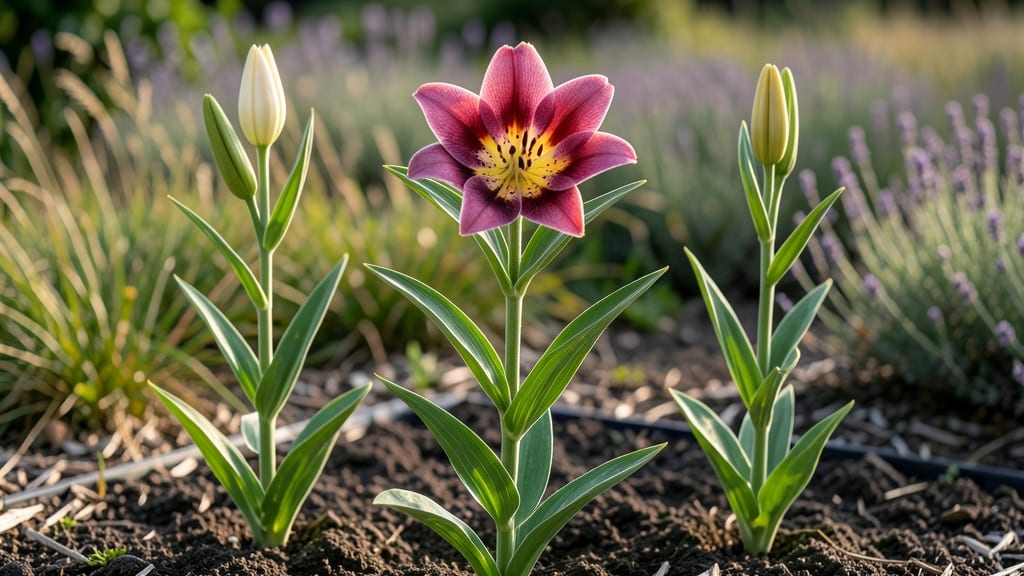
Lilies are perennial flowers that regrow each year from bulbs, though some varieties may decline after 3-5 years. Their hardiness varies by species, with most thriving in USDA zones 3-9 with proper winter care.
Lilies earn their perennial status by storing energy underground in bulb-like structures that sprout fresh shoots each spring. 🌱 Unlike annuals that complete their lifecycle in one season, these flowers rely on their bulbs to replenish nutrients year after year.
However, after 3-5 years, many varieties weaken due to depleted energy reserves or disease buildup in the soil. This is why gardeners often divide mature clumps every 2-3 years—a simple process that rejuvenates the plant by separating and replanting smaller bulb sections.
Their cold hardiness is another key advantage, with most species handling winter temperatures down to -20°F when properly protected. In colder zones, mulching with straw or leaves creates an insulating barrier, while evergreen boughs shield the foliage from harsh winds.
I've found that species like the hardy Asiatic lilies and Martagon lilies consistently outperform tropical varieties in northern climates, making them ideal choices for gardeners facing freezing winters.
💡 In This Article
- Lily Lifespan and Bulb Regrowth Mechanics
- Cold-Zone Lily Survival Tips for Gardeners
Lily lifespan and bulb regrowth mechanics
Lilies rely on specialized underground structures called scaly bulbs—layered, papery sheaths that store starches and nutrients like a natural battery. Each spring, these bulbs push out new shoots, a process triggered by rising temperatures and moisture levels.
The key mechanism is photosynthesis in the leaves, which converts sunlight into energy that replenishes the bulb's reserves for next year's growth. This cycle explains why lilies return annually, unlike annual flowers that complete their lifecycle in one season.
The lifespan decline after 3-5 years stems from two main factors: energy depletion and disease buildup. As bulbs age, their nutrient reserves diminish, while fungal pathogens like Botrytis accumulate in the soil.
You'll notice this when flower stalks become thinner or blooms shrink in size. 🌱 The solution is bulb division, where you carefully split mature clumps into smaller sections (each with 2-3 bulbs) and replant them. This mimics natural propagation while refreshing the soil environment.
What makes this process fascinating is how lilies prioritize energy storage. During summer, the plant focuses on building up reserves in the bulb rather than producing seeds, which would require more energy. This is why lilies often produce fewer seeds than annuals—they're investing in their own longevity.
The bulb's layered structure also allows for multiple growth points, meaning even if one section fails, others can continue producing flowers.
Consider these key factors when maintaining lilies:
- Bulb size: Larger bulbs (3+ inches in diameter) store more energy and typically last longer
- Division timing: Perform division in early spring or fall when the plant is dormant
- Soil health: Rotate planting locations every 2-3 years to prevent disease buildup
The science behind bulb division reveals why it's so effective. Each separated bulb section contains its own growth center, eliminating competition for nutrients. Studies show that divided bulbs often produce 20-30% more flowers in their first year compared to undivided clumps.
This is because they're no longer competing with neighboring bulbs for water and nutrients in the soil.
For gardeners, understanding this mechanism means you can extend lilies' lifespan indefinitely by practicing regular division. I've seen 20-year-old lilies in heritage gardens that were maintained through careful bulb management—proof that with proper care, these perennials can outlast many annuals by decades.
The secret lies in mimicking nature's own renewal process through thoughtful garden maintenance. 💫