
Plants
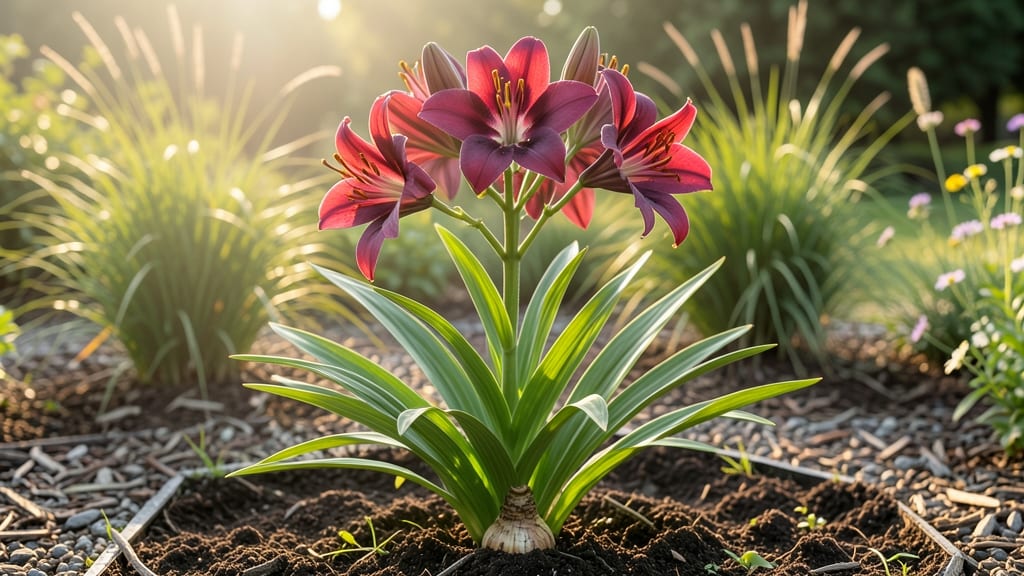
Yes, lilies are perennials because their bulb-based root system stores nutrients underground, enabling them to regrow each season. However, their lifespan depends on species—some last decades with proper care, while others weaken after 3-5 years without division or maintenance.
This bulb-based system acts like a natural battery, storing energy during dormancy and fueling new growth when conditions improve. 🌱 Unlike annuals that complete their life cycle in one season, lilies rely on these underground reserves to push up fresh stems year after year.
The key difference lies in their dormancy periods—true lilies (Lilium genus) often need winter rest, while daylilies (Hemerocallis) can bloom continuously with consistent care.
What makes this adaptability possible is the bulb's layered structure: each layer contains nutrients that sustain the plant through seasonal changes. This explains why lilies can bounce back from frost or drought better than many other perennials.
However, their resilience has limits—overcrowded bulbs or poor soil drainage can shorten their lifespan significantly.
💡 In This Article
- How Lily Bulbs Enable Perennial Growth
- Extending Lily Perennial Lifespan with Proper Care
How lily bulbs enable perennial growth
Lilies owe their perennial nature to their specialized bulb structure, which functions like a biological storage unit. Unlike annuals that rely solely on seasonal growth, lily bulbs store carbohydrates, proteins, and water in concentric layers called scales.
These scales act as energy reserves that fuel regrowth after dormancy—whether it's winter's cold or summer's dry spell. For example, a mature Asiatic lily bulb can store enough nutrients to sustain a 6-foot-tall stem with multiple blooms, demonstrating how efficiently this system works. 🌱
The bulb's architecture is key to this survival mechanism. The basal plate at the bottom regulates water and nutrient uptake, while the tunic (outer skin) protects against pathogens and dehydration. During dormancy, metabolic activity slows dramatically, preserving these reserves until environmental cues—like rising soil temperatures—trigger new shoot growth.
This process explains why lilies can reappear year after year in the same spot, unlike annuals that must be replanted annually.
Not all lilies follow the same pattern. True lilies (Lilium genus) typically require a dormant period, often in winter, to recharge their bulbs. In contrast, daylilies (Hemerocallis) don't form true bulbs but instead develop rhizomes—horizontal underground stems—that store energy and spread to create new plants.
This structural difference means daylilies can bloom continuously under ideal conditions, while true lilies may need a rest period to prevent bulb exhaustion. 🌿
The bulb's ability to regenerate also depends on its health. A damaged or diseased bulb may struggle to produce strong new growth, leading to weaker stems or fewer flowers.
This is why gardeners often divide lily bulbs every 3-5 years—to prevent overcrowding and ensure each bulb has enough space and nutrients to thrive. The division process separates offsets (small bulbs that form around the parent bulb), giving each new bulb a fresh start with its own nutrient reserves.
Seasonal variations further influence this growth cycle. In temperate climates, lilies often enter dormancy in late fall, halting visible growth until spring. During this time, the bulb continues to metabolize slowly, breaking down stored starches into sugars that support early root development.
This metabolic shift is what allows lilies to "wake up" so quickly in spring, often producing new shoots within weeks of soil warming to 50°F. 💫
Comparing lilies to other bulb-based perennials highlights their efficiency. For instance, tulips also store nutrients in bulbs but typically have shorter lifespans (often 3-5 years) without division.
Lilies, particularly hardy species like Martagon lilies or Trumpet lilies, can live for decades when given proper care, thanks to their robust bulb systems and adaptability to various soil conditions. This longevity makes them a favorite among gardeners seeking low-maintenance yet striking perennials.