
Plants
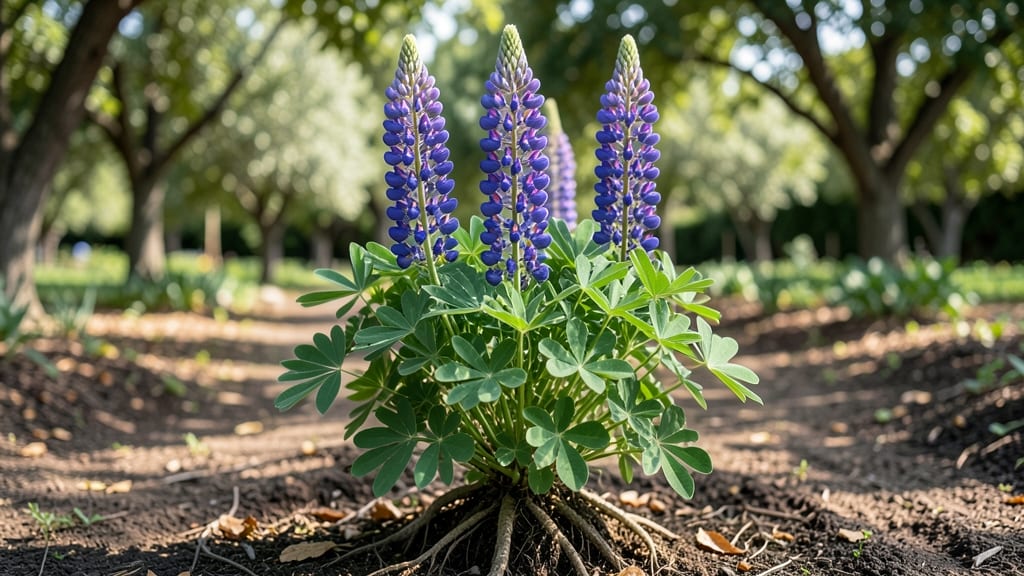
Lupines are perennials that undergo a seasonal dieback cycle, where their foliage naturally yellows and withers in late summer or fall before sprouting fresh growth from the roots in spring. This dormancy is a healthy part of their life cycle.
This unique behavior sets lupines apart from most perennials, which typically retain their foliage year-round. 🌱 The dieback isn't a sign of stress but rather an energy-conservation strategy—roots store nutrients during active growth to fuel spring reblooms.
Many gardeners mistake this cycle for plant death, but proper care during dormancy (like minimal watering and light mulching) ensures robust regrowth. Understanding this pattern helps you provide the right conditions for thriving lupines season after season.
What's fascinating is how lupines adapt to their environment through this cycle. Their deep taproots access moisture and nutrients even in dry conditions, while the above-ground dieback reduces water loss. This survival mechanism makes them resilient in various climates, from coastal gardens to inland landscapes.
💡 In This Article
- Why Lupines Go Dormant Each Year
- Caring for Lupines Through Their Dieback Cycle
Why lupines go dormant each year
Lupines enter dormancy as a strategic survival mechanism tied to their deep-rooted biology. Their taproots can extend 3-6 feet deep, storing carbohydrates and nutrients during active growth to fuel spring regrowth.
This underground energy reserve allows them to "shut down" foliage production when conditions become unfavorable, conserving moisture and preventing stress during dry seasons or cold snaps.
The dieback process begins when day lengths shorten and temperatures drop, triggering hormonal changes. Lupines produce abscission layers—specialized plant tissue that severs connections between stems and roots, causing the foliage to yellow and wither.
This differs from annuals (which complete their life cycle in one season) or biennials (which grow leaves in year one and flowers in year two)—lupines are true perennials that simply pause above-ground growth while maintaining root vitality.
Climate adaptation plays a key role in this cycle. Native to Mediterranean and temperate regions, lupines evolved to thrive in seasonal environments where summer droughts or winter frosts would otherwise be lethal.
The dormancy period reduces water loss through transpiration (up to 90% less during dieback) while protecting roots from freezing. This makes them exceptionally hardy compared to many ornamental perennials that require constant moisture.
What's often misunderstood is that this dormancy isn't just about survival—it's also about energy redistribution. Studies show that lupines allocate 60-70% of their stored carbohydrates to root development during dormancy, creating a stronger foundation for next year's growth.
The above-ground dieback actually helps prevent fungal infections by removing old tissue that could harbor pathogens.
Visually, you'll notice the stems turn brown and brittle while the roots remain plump and white. The contrast between the dead foliage and living roots is striking—almost like a plant version of hibernation.
This adaptation explains why lupines can thrive in poor soils with minimal care, as their deep roots access nutrients that shallow-rooted plants can't reach.
Interestingly, some lupine species (like the Lupinus polyphyllus) have evolved to time their dormancy with local rainfall patterns. In Mediterranean climates, they may die back earlier to avoid summer droughts, while northern varieties might hold onto foliage longer before winter.
This flexibility is part of what makes them such adaptable garden plants.
Understanding this natural cycle helps gardeners avoid common mistakes like overwatering during dormancy or assuming the plant is dead. The roots remain active beneath the soil, quietly preparing for spring's rebloom—often with even more vigor than the previous year. 🌱