
Plants
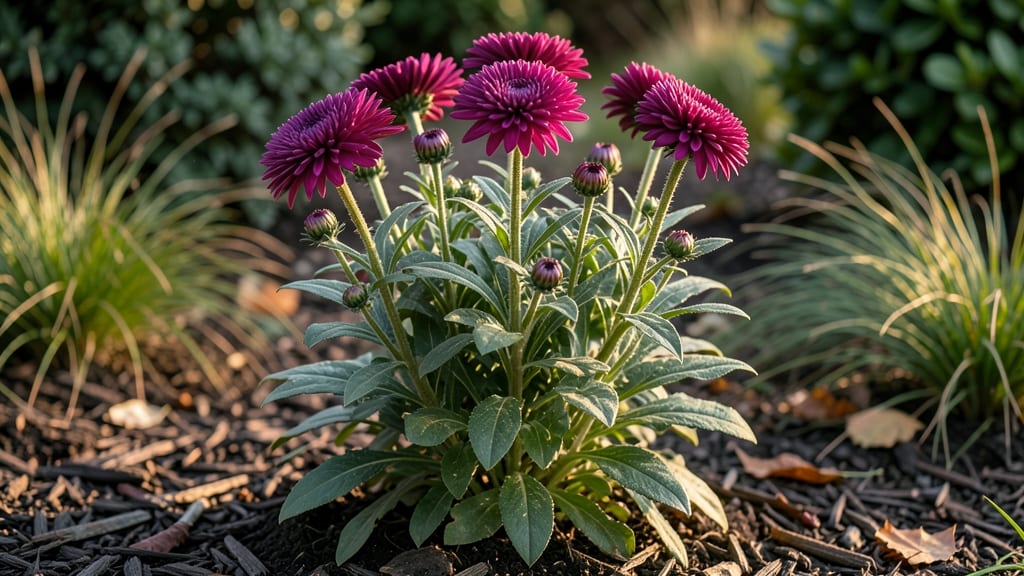
Mums (chrysanthemums) are indeed perennials in USDA Zones 5-9, though they often die back to the ground during winter only to regrow from their roots in spring. In colder climates, they may require winter protection or replanting each year to maintain their seasonal blooms, with hardiness varying by variety and care.
Most people assume mums disappear forever after winter, but that's not the case—they're just entering dormancy. 🌱 The roots stay alive underground, storing energy to fuel new growth when temperatures rise. This explains why you might see bare stems in winter but vibrant blooms come spring.
Hardy varieties like 'Hardy Bonanza' can survive Zone 4 winters with proper protection, while tender types need extra care or replanting in colder areas.
What's interesting is how this growth cycle differs from annuals—mums come back stronger each year if given the right conditions. I've found that mulching with 3-4 inches of straw in late fall and removing it in early spring makes a huge difference in survival rates.
The key is protecting those roots without smothering them, as too much mulch can cause rot.
💡 In This Article
- Why Mums Appear to Die Back in Winter
- How to Overwinter Mums for Year-Round Perennial Growth
Why mums appear to die back in winter
Mums enter a natural dormancy cycle triggered by shortening daylight and dropping temperatures, a survival mechanism that conserves energy. During winter, their above-ground foliage and stems die back completely, but the roots remain alive underground, storing carbohydrates in their root crowns.
This process is similar to how peonies or hostas survive winter—what appears to be death is actually a strategic energy-saving mode.
The key difference between hardy and tender mum varieties lies in their root systems and cold tolerance. Hardy mums like 'Hardy Bonanza' or 'Mum's the Word' can withstand temperatures down to -20°F to -30°F when properly protected, thanks to thicker root crowns that store more energy.
Tender varieties, however, struggle below 10-15°F without protection, which is why they often get replanted annually in colder regions. The root crown—where stems meet roots—is the critical survival zone.
What's fascinating is how cold temperatures actually trigger regrowth. When soil temperatures rise above 40°F in spring, the root crowns sense the change and begin producing new shoots.
This is why you'll often see first signs of regrowth in late winter or early spring, even when the ground still looks frozen. The timing varies by zone—Zone 5 gardens may see sprouts by March, while Zone 9 might wait until November.
Light exposure plays a surprising role too. Mums need 6-8 hours of sunlight daily for optimal growth, but during winter dormancy, they can tolerate partial shade. The lack of sunlight in winter doesn't kill them—it's the cold that triggers dormancy.
What most gardeners don't realize is that over-fertilizing in fall can prevent proper dormancy, leading to weaker regrowth. The plant needs that winter rest to build energy for next year's blooms.
Consider these zone-specific behaviors: In Zone 6, mums might lose all foliage but regrow from roots by April. In Zone 8, they may retain some evergreen foliage through winter.
The key is understanding that this dieback isn't death—it's a carefully timed survival strategy that ensures they'll return stronger each year with proper care.
One common misconception is that mums are annuals because they look dead in winter. In reality, their root systems can live for 5-10 years or more with proper care, making them true perennials. The secret lies in protecting those roots during winter when the above-ground parts are vulnerable.