
Plants
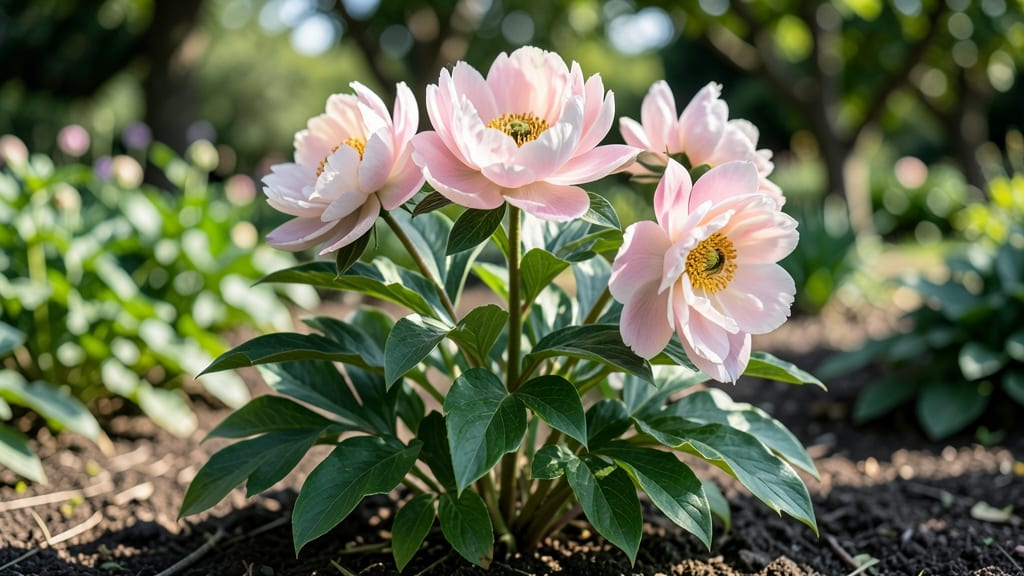
Peonies are indeed perennial plants, meaning they regrow each spring from their root systems after winter dormancy. With the right care—including proper planting depth and cold winters—they can live for 50+ years while producing stunning blooms annually.
Peonies earn their reputation as garden workhorses because they establish deep, woody root systems that persist underground year after year. 🌱 Unlike annuals that complete their lifecycle in one season, peonies enter a natural dormancy during winter, then burst back to life when temperatures rise.
This cycle explains why they’re prized for their reliability—once established, they’ll return with minimal effort from you. The key to maximizing their lifespan lies in mimicking their native conditions: planting them at the correct depth (just below soil level) and selecting varieties suited to your climate zone.
Their longevity also depends on proper winter care. Peonies need cold winters to trigger reblooming in spring—a process called vernalization. In warmer climates (zones 7-8), you might need to simulate dormancy by withholding water in late fall.
For gardeners in colder zones (3-5), mulching with straw or leaves adds an extra layer of protection against freezing temperatures. This attention to seasonal needs ensures your peonies keep blooming beautifully for decades.
💡 In This Article
- Peony Lifespan Stages: From First Bloom to Decades-Long Growth
- Cold-Hardiness Zones for Peonies: Planting and Winter Care Guide
Peony lifespan stages: from first bloom to decades-long growth
Peonies follow a predictable growth cycle that spans three distinct stages: juvenility (2-5 years), maturity (5-10 years), and decline (10+ years). During the first stage, the plant focuses on building its root system—specifically the thick, fleshy tubers that store nutrients.
These tubers can grow up to 12-18 inches deep and spread horizontally, creating a network that ensures stability. This underground development explains why peonies often take 2-3 years to produce their first blooms, as energy prioritizes root expansion over flower production.
The maturity phase is when peonies truly shine, producing their most abundant and vibrant blooms. At this stage, the plant has established a robust root system capable of supporting 50-100 flowers per plant, depending on the variety.
The botanical trigger for reblooming involves a combination of cold winter temperatures (below 40°F for 6-8 weeks) and proper spring sunlight exposure. Without adequate winter chilling, peonies may produce fewer blooms or skip flowering entirely—a common issue in warmer climates where gardeners must simulate dormancy conditions.
Improper planting depth can drastically shorten a peony's lifespan. When planted too deeply (more than 2 inches below soil level), the buds may suffocate or fail to emerge, while shallow planting (less than 1 inch deep) exposes them to freezing temperatures.
The ideal planting depth is just below the soil line, with the "eyes" (buds) visible above ground.
This positioning allows the plant to access sunlight while protecting the roots from extreme cold. 🌱 Over time, improper depth can lead to weakened growth and reduced flower production, cutting the plant's lifespan by 10-20 years.
As peonies age into their decline phase (typically after 15-20 years), they may produce fewer blooms or exhibit smaller flowers. However, with proper care—including dividing the plant every 5-7 years to refresh the root system—they can continue thriving for 50+ years.
The division process involves separating the tubers and replanting them, which rejuvenates growth and extends the plant's productive lifespan. This practice also prevents overcrowding, which competes for nutrients and weakens individual plants.
One fascinating aspect of peony longevity is their ability to adapt to local conditions over generations. For example, peonies grown in USDA Zone 5 develop thicker root systems to withstand colder winters, while those in Zone 8 may produce more blooms earlier in the season due to milder winters.
This adaptability is why peonies have been cultivated for centuries—they naturally adjust their growth patterns to maximize survival and flowering potential in their specific environment.
Understanding these growth stages helps gardeners provide the right conditions at each phase. For instance, young peonies (1-3 years old) benefit from moderate watering (1 inch per week) to encourage root development, while mature plants require less frequent watering (1 inch every 2 weeks) to prevent root rot.
This tailored approach ensures peonies remain healthy and productive throughout their long lifespans.