
How To
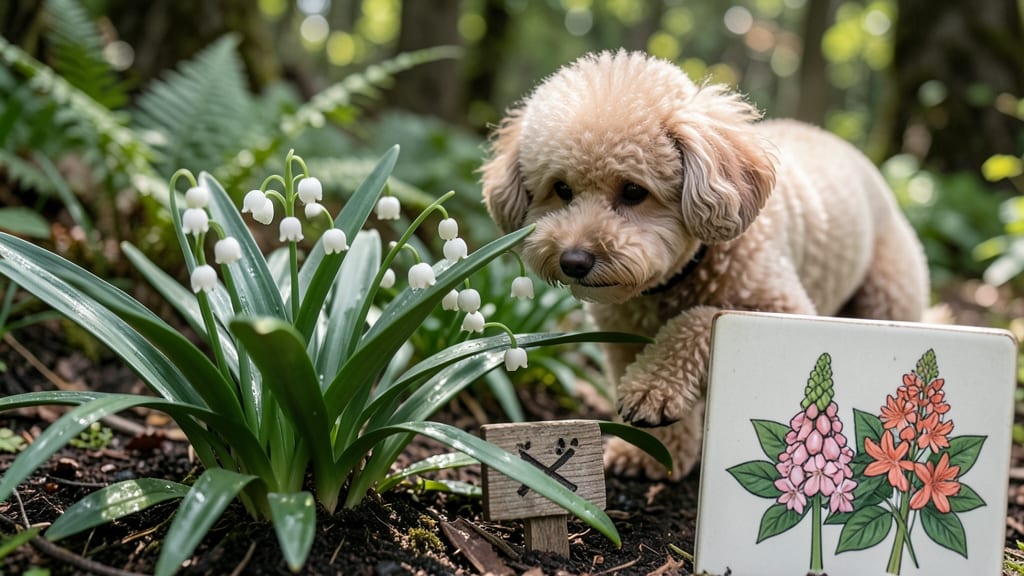
Whether perennials are toxic to dogs depends entirely on the plant: lilies, foxglove, and oleander are extremely dangerous, while sunflowers, marigolds, and lavender are completely safe. Always verify a plant's toxicity before introducing it to your garden or home.
Toxicity in perennials comes from compounds like alkaloids (found in foxglove) or oxalates (in lilies), which can cause severe symptoms ranging from vomiting to heart arrhythmias. 🐾 Even small amounts of highly toxic plants can be life-threatening, so I recommend keeping a list of dangerous perennials visible while gardening.
The good news? Many dog-friendly alternatives exist, like pansies or rosemary, that add color and fragrance without risk.
For peace of mind, I create designated "pet zones" in my garden using non-toxic plants, marking boundaries with stakes. This way, I can enjoy gardening while keeping my curious dog safe. Always double-check with the ASPCA's plant toxicity database before adding anything new to your yard.
💡 In This Article
- Most Dangerous Perennial Plants for Dogs
- Safe Perennial Alternatives for Dog-Friendly Gardens
Most dangerous perennial plants for dogs
Toxicity in perennials stems from specific chemical compounds that disrupt a dog's physiological systems. Alkaloids found in foxglove (digitalis) interfere with heart function, causing arrhythmias even in small doses—just 0.5-1 gram can be fatal.
Another dangerous compound is oxalates, present in lilies, which crystallize in a dog's mouth and kidneys, leading to painful swelling and renal failure within 24-48 hours. Oleander contains cardiac glycosides that attack the heart muscle, while azaleas and rhododendrons produce grayanotoxins that cause severe drooling, weakness, and coma.
The severity of symptoms depends on ingestion levels and the dog's size.
A 10-pound dog might show mild vomiting after eating foxglove leaves, while a 50-pound dog could experience life-threatening cardiac effects. Lilies are particularly insidious because their pollen alone (from grooming) can cause kidney failure in cats, though dogs typically need to ingest plant material.
Always watch for signs like excessive drooling, lethargy, or pawing at the mouth—these indicate potential poisoning.
What makes these plants especially dangerous is how quickly symptoms can escalate. For example, oleander poisoning may not show effects for 6-12 hours, but once it does, it progresses rapidly to seizures and death.
The ASPCA's Animal Poison Control Center reports that foxglove cases spike in spring when gardeners plant new perennials. Even dead or dried plants retain toxicity, so never assume wilting means safety.
Another critical factor is how dogs interact with plants.
Curious pups often nibble on leaves during walks or dig up garden beds, exposing them to hidden dangers. Daffodils, while technically bulbs, are often planted alongside perennials and contain lycorine—a compound that causes vomiting and diarrhea within 1-2 hours of ingestion. The key takeaway?
Even a single leaf from the wrong plant can trigger a medical emergency.
To visualize the risks, consider this comparison: eating 1-2 foxglove leaves (about 5-10 grams) could require veterinary intervention, while 5-10 lily petals might cause kidney damage in a 20-pound dog. The variability makes it essential to know your garden's contents intimately. 🚨
If you suspect poisoning, act immediately by calling your vet or the ASPCA Poison Control at (888) 426-4435. Time is critical—some toxins (like oleander) can be fatal within 24 hours without treatment. Keep a photo log of your garden plants to quickly identify what your dog might have ingested.