
Plants
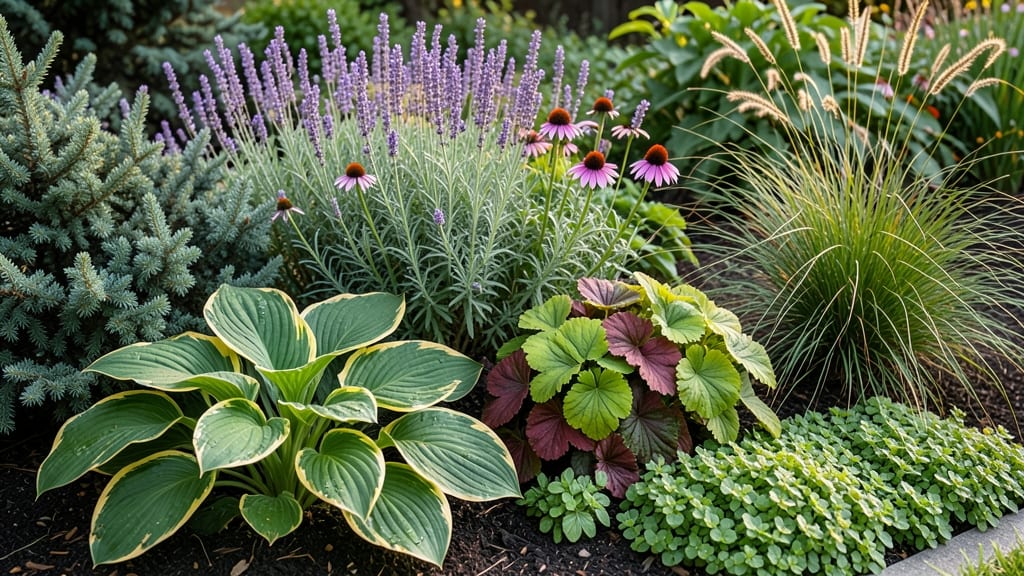
Perennials aren't year-round plants—they enter seasonal dormancy, typically in winter or dry periods, but their roots remain alive underground to regrow each spring. This life cycle varies by climate and plant type.
Perennials might look dormant, but they're not dead—they're conserving energy. 🌱 During cold winters or dry seasons, these plants slow down growth to protect their root systems, which store nutrients like a natural battery.
This survival strategy lets them bounce back stronger once conditions improve, whether that's warmer weather or consistent rainfall.
Think of it like hibernation for plants: their above-ground parts may wither, but the roots stay alive, ready to push new growth when the time is right.
The key difference between perennials and annuals is this underground persistence—while annuals complete their entire life cycle in one season, perennials have built-in longevity through their root systems.
This adaptability makes perennials perfect for gardeners who want low-maintenance plants that come back year after year. The trade-off? They need proper care during their dormant phases—like mulching or winter protection—to ensure they have the energy reserves needed for next season's growth.
💡 In This Article
- How Perennial Plants Survive Dormancy Seasons
- Best Practices for Year-Round Perennial Care
How perennial plants survive dormancy seasons
Perennial plants have evolved a sophisticated survival strategy that relies on their underground root systems acting as living batteries. During dormancy, typically triggered by consistent cold temperatures below 40°F or prolonged dry spells, the plant redirects energy from leaves and stems into its roots.
These roots store carbohydrates like starch and sugars—sometimes up to 30-50% of the plant's annual energy reserves—which fuel regrowth when conditions improve. 🌱 This process is similar to how a bear stores fat before hibernation, but in plants, it's all about chemical energy stored in specialized root tissues.
The timing of dormancy varies dramatically between species. Cold-hardy perennials like peony (Paeonia lactiflora) or hosta (Hosta spp.) can survive -20°F to -30°F winters because their roots contain antifreeze-like proteins that prevent cell damage.
In contrast, tender perennials like canna lilies (Canna spp.) or elephant ears (Colocasia) die back completely in freezing temperatures, but their roots remain viable in 50°F+ conditions—making them perfect for warmer climates or container gardening.
The key difference lies in their cellular membranes, which contain different lipid compositions to handle temperature extremes.
Water retention plays a crucial role in this survival mechanism. Perennial roots develop specialized structures called rhizomes or tubers that can store moisture for months. For example, daylilies (Hemerocallis) store water in their thick rhizomes, allowing them to survive drought periods by maintaining cellular hydration.
This moisture reserve enables them to resume growth within 2-4 weeks of spring rains or warmer temperatures. The plant's ability to control water loss through its root system is what keeps it alive during dormancy—almost like having a built-in irrigation system underground. 💧
What most gardeners don't realize is that dormancy isn't just about surviving—it's about preparing for a stronger comeback. During this period, perennials undergo a form of cellular repair, replacing damaged tissues and rebuilding energy reserves.
This is why a well-rested perennial often produces more vigorous growth in spring than a newly planted one. The trade-off? If you disturb the roots during dormancy—through over-pruning or digging—the plant may not have enough stored energy to regenerate properly, leading to weaker regrowth or even death.
Consider the example of black-eyed Susan (Rudbeckia hirta), a hardy perennial that thrives in zones 3-9. In late fall, its foliage yellows and dies back, but the roots remain active, storing energy.
By early spring, when soil temperatures reach 50°F, the roots begin producing new shoots within 7-10 days of consistent moisture. This rapid regrowth wouldn't be possible without the careful energy management that occurs during dormancy.
The plant's ability to "time" its dormancy based on photoperiod (day length) and temperature is what makes it so resilient across different climates.
For gardeners, understanding this process means knowing when to intervene—and when to leave plants alone. For instance, cutting back perennials too early in fall can remove the foliage that's still photosynthesizing and storing energy.
Conversely, waiting until late winter to prune gives the plant maximum time to prepare for dormancy. This balance is what turns a simple perennial into a low-maintenance, long-lived garden staple. 🌿