
Shrubs
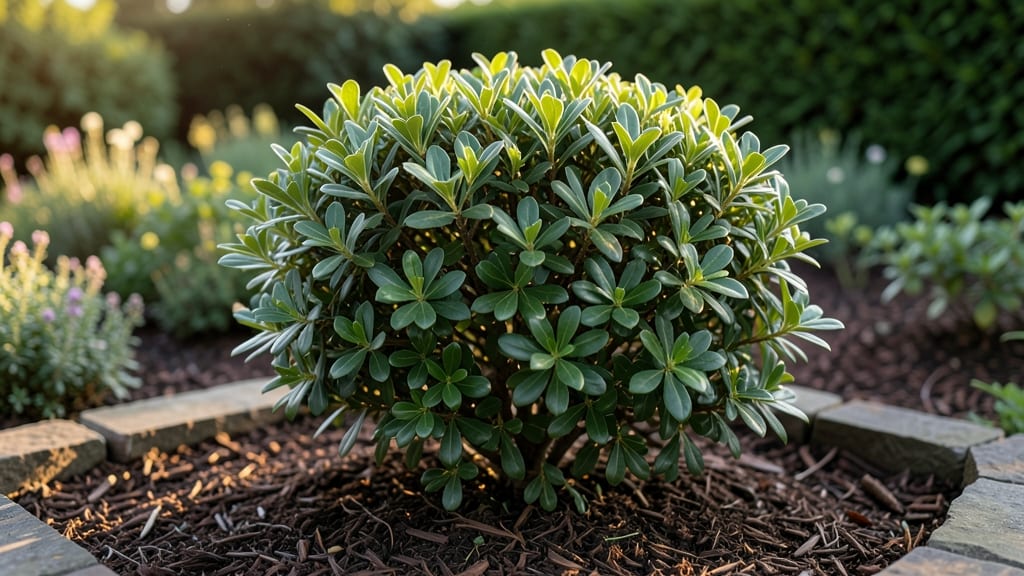
Shrubs are perennials because they retain their woody stems year-round, regrowing leaves annually after winter dormancy, unlike annuals or biennials that die back completely or live only one season.
This woody stem structure is what sets shrubs apart from other plants. 🌿 Unlike annuals that complete their life cycle in one season or biennials that take two years, shrubs persist through multiple growing seasons by storing energy in their sturdy stems.
Many gardeners love them for their reliability—they provide structure and seasonal interest without needing replanting every year.
For example, boxwoods and holly keep their shape through winters, while flowering shrubs like azaleas return with vibrant blooms each spring. This perennial nature makes them ideal for hedges, borders, and foundation plantings where long-term presence is key.
💡 In This Article
- How Woody Stems Define Shrub Perennial Lifespan
- Best Shrubs for Year-Round Garden Structure
How woody stems define shrub perennial lifespan
The defining feature that makes shrubs perennial is their woody stems, which contain specialized cells called vascular cambium. This layer produces xylem and phloem tissues that transport water, nutrients, and food throughout the plant.
Unlike herbaceous perennials (like hostas or peonies) that die back to the ground each winter, shrubs keep their woody framework intact, storing energy in these stems for regrowth. 🌱 For example, a 3-inch diameter stem can hold enough carbohydrates to fuel new leaf production in spring.
This woody structure also enables shrubs to survive seasonal dormancy—a state where metabolic activity slows dramatically during cold months. Studies show that shrubs like lilacs can reduce their water loss by up to 90% during winter, thanks to thick bark that acts as insulation.
The stems' rigidity prevents them from collapsing under snow or ice, unlike floppy herbaceous plants that often break under winter weight. This resilience explains why shrubs thrive in USDA zones 3-9 without needing annual replanting.
Comparing shrubs to trees reveals another key difference: size and branching pattern. While trees grow vertically with a single main trunk, shrubs have multiple stems arising from the base, creating a bushy form.
This multi-stemmed structure allows shrubs to regenerate from multiple points if damaged, a trait that's particularly useful in harsh climates. For instance, mountain laurel can regrow from stems buried under 6 inches of snow, demonstrating their adaptability.
Herbaceous perennials lack this woody support system, which is why they die back annually. Their energy is stored in underground roots or rhizomes rather than stems. Shrubs' woody stems also enable them to support heavier foliage and flowers—like hydrangeas that can carry 50+ blooms per stem—without toppling over.
This structural advantage makes them ideal for windy coastal gardens where flexibility is crucial.
One fascinating mechanism is how shrubs balance growth and dormancy. Their buds contain meristematic cells that remain dormant until temperatures rise above 50°F in spring. This precise timing ensures they don't waste energy growing too early when frosts could damage new shoots.
The bark's thickness (often 1/8 to 1/4 inch) further protects these vulnerable growth points from temperature fluctuations.
Consider the boxwood example: its stems contain lignified cells that prevent water loss while allowing gas exchange. This adaptation lets boxwoods maintain their dense, evergreen foliage even in -20°F winters.
The same principle applies to deciduous shrubs like serviceberry, which shed leaves but keep their stems alive through winter, ready to burst into spring blooms.
Understanding these botanical mechanisms helps gardeners select the right shrubs. For instance, broadleaf evergreens (like rhododendrons) have thinner bark and need winter protection in colder zones, while needle-leaved evergreens (like junipers) have thicker bark and tolerate -30°F temperatures.
This knowledge transforms shrub selection from guesswork to strategic planning for year-round garden success. 🌿