
Orchid Care
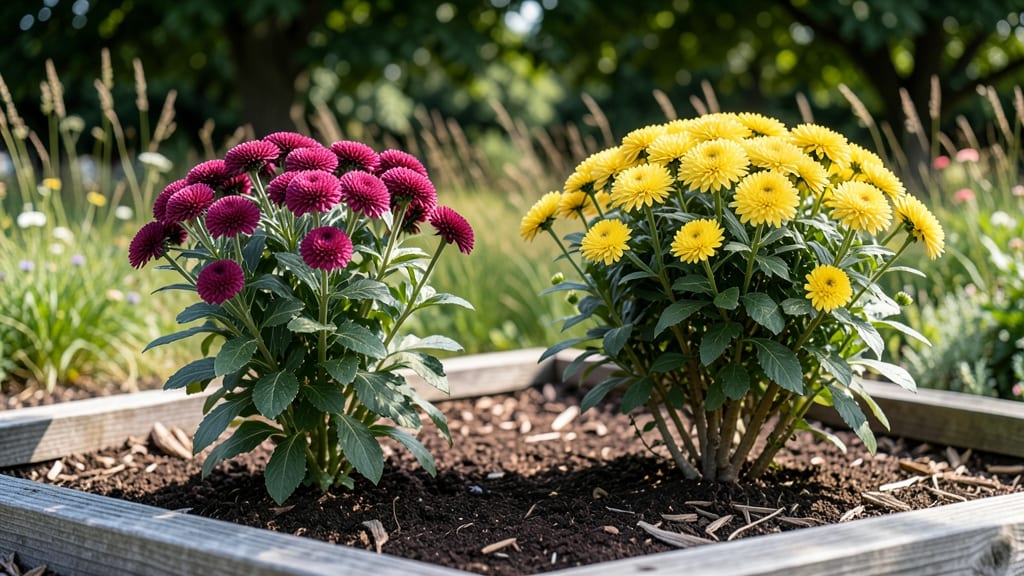
Belgian mums are annuals in most climates but can thrive as perennials in USDA zones 7-10 when given proper winter protection and seasonal adjustments. Their longevity depends on careful deadheading and climate-specific care.
Whether your Belgian mums act as annuals or perennials depends entirely on your local climate and how you prepare them for winter. 🌿 In colder regions, these vibrant flowers complete their life cycle each year, while in warmer zones, they can return season after season with the right protection.
The key difference lies in their ability to survive dormancy—proper mulching and cold protection create the conditions for perennial behavior, even in marginal zones.
For reblooming success, timing is everything. I recommend deadheading spent blooms regularly to encourage new growth and applying a balanced fertilizer in early summer.
In zones 6 and below, overwintering Belgian mums requires extra insulation—their roots need protection from freezing temperatures, which is why many gardeners treat them as annuals unless they're willing to take those precautions.
💡 In This Article
- Belgian Mum Cold Hardiness Zones Explained
- Reblooming Techniques for Year-Round Belgian Mums
Belgian mum cold hardiness zones explained
Belgian mums thrive as perennials only in USDA zones 7-10 because their root systems can withstand winter temperatures down to 0°F (-18°C). In colder zones (below 6), the roots often fail to survive prolonged freezing, forcing gardeners to treat them as annuals.
The critical threshold lies in how chrysanthemums enter dormancy—when nighttime temperatures consistently drop below 50°F (10°C), their growth slows, and they begin storing energy in their roots for spring regrowth.
The difference between annual and perennial behavior comes down to root insulation. In zones 7-10, Belgian mums naturally develop thicker root systems that can endure mild winters. However, in colder climates, even established plants need 6-8 inches of organic mulch (straw or shredded leaves) to protect their crowns.
Without this, the roots freeze and die back, preventing regrowth. 🌱 The science here involves cellular dehydration—when temperatures drop below 28°F (-2°C), water in plant cells crystallizes, damaging cell walls and killing the plant.
What most gardeners don't realize is that Belgian mums actually prefer cooler summers for reblooming. In zones 7-10, they naturally produce a second flush of flowers in fall when temperatures drop to 65-75°F (18-24°C).
This is why they're often called "fall mums"—their blooming cycle is triggered by shorter daylight hours and cooler nights. In warmer climates, they may continue blooming into winter if conditions remain mild.
For those in marginal zones (6-7), overwintering Belgian mums requires extra steps. I recommend covering plants with burlap wraps or frost blankets when temperatures dip below 25°F (-4°C). The goal is to maintain root temperatures above 20°F (-7°C), which is the survival threshold for most chrysanthemum varieties.
Even with protection, some gardeners choose to dig up and store tubers in a cool, dark place—similar to how dahlias are overwintered.
Here's what happens when you get the care right: In zone 8, properly mulched Belgian mums can return year after year with minimal effort. The key is maintaining consistent moisture throughout the growing season—drought stress weakens roots and reduces winter hardiness.
I've seen established plants in zone 9 produce three blooming cycles per year with proper care, though this requires more frequent deadheading and fertilizer applications.
One surprising fact is that Belgian mums actually prefer slightly acidic soil (pH 6.0-6.5). This acidity helps prevent fungal diseases that can weaken roots during winter.
In alkaline soils (pH 7.5+), plants become more susceptible to root rot, which is why many gardeners in zones 7-10 need to amend their soil with sulfur or peat moss for optimal perennial performance. 🌿