
Planting
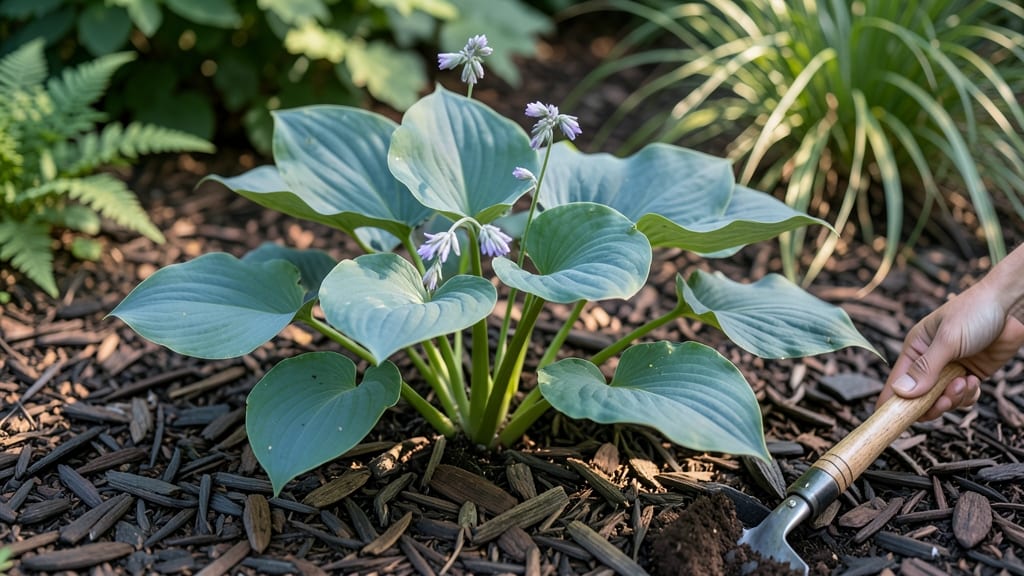
Perennials can grow through mulch when applied correctly, but maintaining proper layer thickness and stem clearance is essential to avoid suffocating roots or inviting rot. Aim for 2–4 inches of organic mulch while keeping it at least 6 inches away from plant stems to balance moisture retention with airflow.
Mulch acts like a protective blanket for perennial roots, but too much can trap moisture and block oxygen—both critical for long-term plant health. 🌱 The key lies in creating a breathable layer that regulates soil temperature while preventing weed competition.
I’ve found that organic materials like shredded leaves or wood chips break down over time, enriching the soil naturally, whereas inorganic options like gravel may not offer the same moisture benefits.
For perennials with shallow root systems, like hostas or daylilies, even a slight over-mulching can lead to crown rot within weeks.
Seasonal adjustments matter too. In winter, a thicker layer (up to 6 inches) helps insulate roots from freezing, while in summer, you might reduce it slightly to prevent overheating.
Always refresh mulch annually to maintain its protective properties and monitor for signs of stress, such as yellowing leaves or mold growth near the base of plants.
💡 In This Article
- How Mulch Depth Affects Perennial Root Health
- Best Mulching Practices for Perennial Gardens
How mulch depth affects perennial root health
Mulch creates a microclimate around perennial roots by regulating oxygen exchange, moisture levels, and soil temperature—all critical for root respiration. Organic mulches like shredded leaves or wood chips break down over time, gradually releasing nutrients while improving soil structure.
This decomposition process increases microbial activity, which helps decompose organic matter and release nutrients back into the soil. However, when mulch exceeds 4 inches, it can create an anaerobic (oxygen-deprived) zone near the soil surface, suffocating roots and promoting harmful fungal growth.
The ideal mulch depth of 2–4 inches balances these factors perfectly. For example, a 3-inch layer of wood chips maintains soil temperatures within 5–10°F cooler in summer and 5–15°F warmer in winter compared to bare soil, protecting delicate perennial roots from temperature extremes.
Inorganic mulches like gravel or landscape fabric don’t decompose, so they don’t improve soil fertility but can still regulate temperature—though they lack the moisture-retention benefits of organic options. 🌿
Root suffocation isn’t just about depth—it’s also about spacing. Keeping mulch 6+ inches away from plant stems prevents moisture buildup at the crown, where many perennials (like peonies or hostas) are most vulnerable to rot. The space allows airflow to reach the stem, reducing humidity levels that encourage fungal diseases.
Think of it like creating a "dry zone" around the base—this simple adjustment can mean the difference between thriving perennials and those struggling with crown rot.
Seasonal variations also play a role. In winter, a slightly thicker mulch layer (4–6 inches) provides extra insulation against freezing temperatures, while in summer, reducing it to 2–3 inches prevents overheating.
For example, daylilies with shallow roots benefit from a 3-inch layer in summer but may need 4–5 inches in winter to survive harsh frosts. The key is adapting the mulch depth to match your climate and the specific needs of your perennials.
Microbial activity in mulch is another critical factor. Organic mulches foster beneficial soil microbes that break down organic matter, releasing nutrients like nitrogen and phosphorus. However, if the mulch layer is too thick, it can create an imbalance where anaerobic microbes dominate, producing harmful byproducts like methane and hydrogen sulfide.
This is why a 2–4 inch layer is optimal—it supports aerobic (oxygen-loving) microbes while still providing insulation and moisture retention. 🌱
Consider the texture of your mulch too. Fine materials like straw or shredded leaves pack tightly, which can reduce airflow if applied too deeply. Coarser materials like wood chips or bark create more air pockets, allowing better oxygen exchange.
For instance, a 3-inch layer of wood chips will have about 30% more air space than the same depth of straw, making it a better choice for perennials with sensitive root systems.
Finally, monitor your mulch regularly. Over time, organic mulches decompose and compact, reducing their effectiveness. Refreshing the layer annually ensures it maintains its protective properties. Look for signs like mold growth, yellowing leaves, or stunted growth—these can indicate the mulch is too thick or improperly applied.
With the right depth and spacing, mulch becomes a powerful tool for nurturing healthy perennial roots. ✨