
Orchid Care
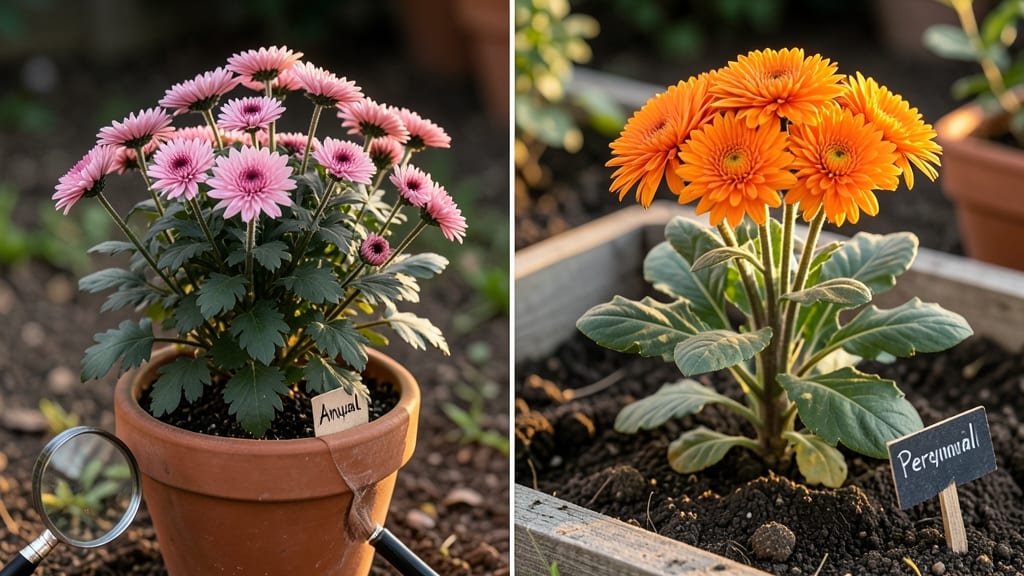
Whether chrysanthemums grow as annuals or perennials depends entirely on your climate. These plants thrive as hardy perennials in warm regions (USDA zones 5-9) but are typically treated as annuals in colder areas where frost kills them back to the ground. Hardy varieties like Chrysanthemum × morifolium can regrow each year with proper care, while tender types may not survive winter exposure.
This distinction comes down to frost tolerance and how well the roots survive winter dormancy. 🌱 In milder climates, chrysanthemums naturally return each year, producing fresh blooms in fall—just like their wild ancestors. However, gardeners in colder zones often replant them annually because the crowns don't always survive freezing temperatures.
The key difference lies in their root systems: perennial varieties develop strong underground networks that regenerate, while annual types may lack this resilience without protection.
For those in transitional zones (like parts of the Midwest or Pacific Northwest), overwintering becomes a game-changer. With proper mulching and strategic pruning, you can coax even tender varieties to return next season.
I've seen gardeners in zone 6 successfully overwinter chrysanthemums by cutting back stems in late fall and adding thick mulch—this simple technique can turn what seems like an annual into a reliable perennial.
💡 In This Article
- How Climate Affects Chrysanthemum Lifespan
- Tips for Overwintering Perennial Chrysanthemums
How climate affects chrysanthemum lifespan
Chrysanthemums' growth cycle hinges on temperature thresholds that trigger their perennial or annual behavior. These plants enter dormancy when daytime temperatures drop below 50°F and nighttime temperatures fall to 40°F or lower.
In USDA hardiness zones 7-9, where winters rarely drop below 10°F, chrysanthemums naturally survive winter by forming a protective crown of buds at the soil line. The roots, which can extend 12-18 inches deep, store carbohydrates that fuel regrowth in spring.
In colder zones (4-6), frost penetrates deeper, often killing the crown before it can harden. The critical threshold is -10°F—below this, even hardy varieties like 'Mammoth' chrysanthemums may suffer irreversible damage.
What's fascinating is how the plant's internal clock responds: chrysanthemums in colder climates often bloom earlier in the season (as early as July) because they sense shorter daylight hours sooner, a survival adaptation to maximize their growing window before frost.
Soil temperature plays an equally vital role. Chrysanthemum roots need soil temps above 55°F to actively grow. In northern climates, this means gardeners must wait until late spring to plant, giving roots time to establish before summer heat.
The contrast between zones 8-9 (where chrysanthemums may bloom twice a year) and zones 4-5 (where they might only bloom once) demonstrates how temperature dictates both growth vigor and lifespan.
Light exposure also interacts with temperature to influence perennial behavior. Chrysanthemums require 6-8 hours of direct sunlight daily to store enough energy for winter survival. In cloudy northern climates, this means they need supplemental light or protection from winter shade cast by evergreens, which can prevent proper dormancy.
The combination of cold, short days, and insufficient light creates the perfect storm for annual behavior in marginal climates.
Consider this real-world example: In Portland, Oregon (zone 8), gardeners often see chrysanthemums return year after year with minimal care, while in Minneapolis (zone 4), even the hardiest varieties typically die back without winter protection.
The difference comes down to 100+ degree variations in winter lows between these locations—demonstrating how climate isn't just about temperature averages but about extreme events that determine survival.
What most people overlook is how moisture factors into this equation. Wet, cold soils can accelerate root rot in chrysanthemums, even in winter. In zones 5-6, gardeners should ensure proper drainage and avoid over-mulching, which can create anaerobic conditions that suffocate roots.
The ideal winter mulch layer is 3-4 inches of straw or shredded leaves—thick enough to insulate but thin enough to allow moisture escape.