
Flowers
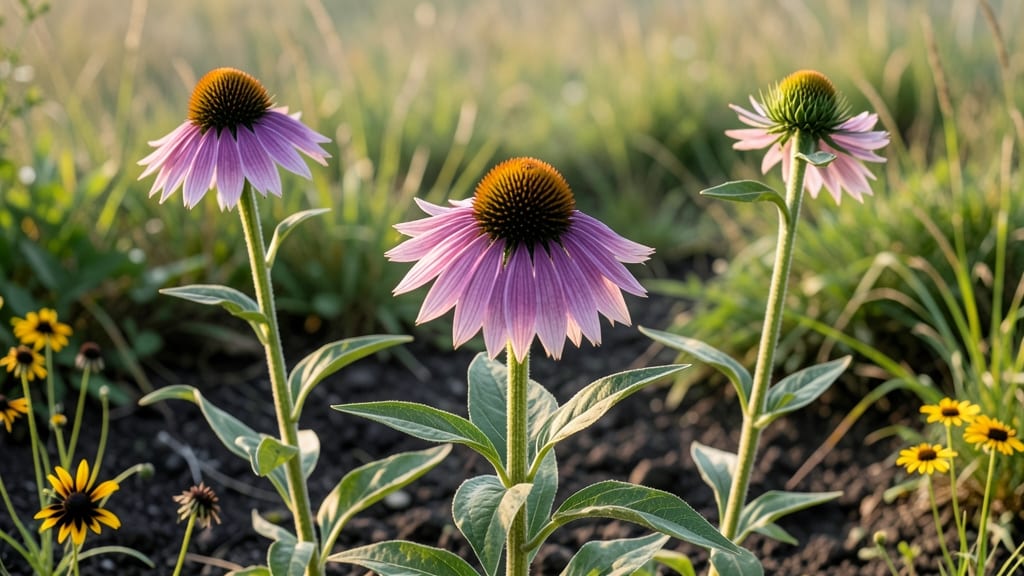
Perennial flowers do come back each year, but they often die back to the ground in winter, storing energy in roots or rhizomes until spring. Proper care and seasonal adjustments ensure their return for multiple blooming seasons.
This natural cycle isn't a sign of failure—it's how perennials conserve energy for next year's blooms! 🌱 Many gardeners mistake the dormant state for death, but those underground structures are hard at work storing nutrients.
Think of it like a plant's hibernation: with the right conditions (like adequate mulch and consistent moisture), they'll burst back to life stronger than ever. The key is understanding when to prune and how much to water during each season.
For example, peonies and hostas might look completely gone by winter, but their roots remain active beneath the soil. This biological strategy lets them focus energy on root development rather than maintaining foliage during cold months.
When spring arrives, those stored reserves fuel rapid regrowth—often with more vigorous blooms than the year before.
💡 In This Article
- How Perennial Flowers Survive Winter Through Dieback
- Tips to Encourage Perennial Flowers to Return Stronger
How perennial flowers survive winter through dieback
Perennial flowers use a clever biological strategy called dormancy to survive harsh winters. When temperatures drop below 40°F, most perennials enter a resting phase where they shed leaves and stems, conserving energy in their roots, rhizomes, or tubers.
This underground storage system acts like a plant battery, packed with starches and sugars that fuel regrowth when conditions improve. For example, daylilies store nutrients in thick rhizomes, while peonies rely on deep, fleshy roots that can survive -20°F temperatures.
The dieback process begins when chlorophyll production slows, causing leaves to yellow and drop. This isn't death—it's a survival mechanism! The plant redirects resources from above-ground growth to below-ground storage organs.
Some perennials, like hostas, may look completely dead with only a few inches of stem remaining, but their roots remain alive and active.
The key difference between perennials and annuals is this root system: while annuals complete their life cycle in one season, perennials invest in long-term storage for multiple growing seasons.
Seasonal growth cycles follow a predictable pattern. In early spring, when soil temperatures reach 50°F, stored nutrients trigger new shoot growth. The timing varies by species—some like bleeding hearts emerge in early spring, while others like coneflowers wait until late spring.
This staggered emergence helps prevent competition for resources. What most gardeners don't realize is that the first year's growth often focuses on building stronger roots rather than producing flowers, setting the stage for more abundant blooms in subsequent years.
Not all perennials die back completely. Some, like lavender or Russian sage, maintain evergreen foliage year-round, though they may become dormant during extreme cold. The degree of dieback depends on the species' hardiness zone tolerance.
For instance, USDA Zone 5 perennials like black-eyed Susans may lose all foliage, while Zone 8 varieties like salvias might only reduce growth. This variation explains why some perennials seem to disappear entirely while others just shrink back.
Here's what's happening chemically: Perennials produce antifreeze proteins that prevent ice crystal formation in their cells, similar to how some animals survive freezing temperatures. They also adjust their metabolic processes to minimize energy expenditure.
For example, the enzyme superoxide dismutase helps protect cells from oxidative damage during dormancy. These adaptations allow perennials to remain viable underground for months, sometimes even years, if conditions are right.
The most critical factor for successful regrowth is maintaining root viability. Even if above-ground parts look dead, the roots need protection from temperature fluctuations and dehydration.
That's why proper mulching (with 2-4 inches of organic material) becomes essential—it acts as insulation against freezing and thawing cycles that can damage delicate root structures. 🌱
Understanding this process changes how you view winter garden cleanup. What appears to be plant death is actually a carefully timed biological strategy that ensures perennials return stronger each year—if given the right conditions to thrive.