
Plants
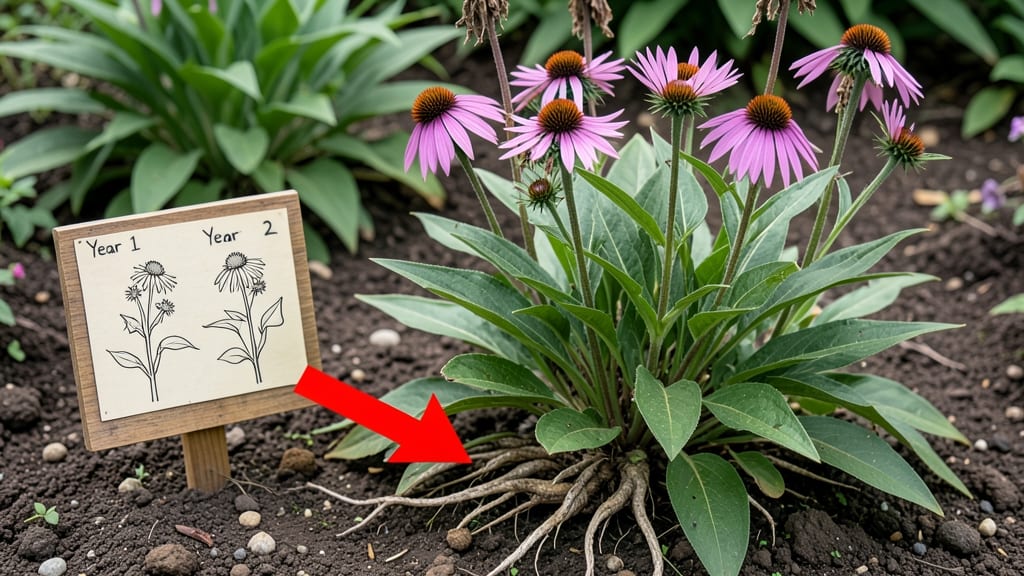
Yes, perennials come back each year by storing energy in underground roots, rhizomes, or tubers, then regrowing from these structures as temperatures rise and conditions improve. Their dormant phase is key to survival, not death.
Perennials don't die in winter—they simply enter a dormant state, conserving energy in their root systems until spring. 🌱 This survival strategy allows them to push new growth when conditions are favorable, making them low-maintenance plants for gardeners.
Unlike annuals that complete their life cycle in one season, perennials rely on these underground reserves to regenerate year after year, often thriving longer with proper care.
What sets perennials apart is their ability to adapt to seasonal changes. During winter, they slow down metabolic processes to conserve energy, then "wake up" when soil temperatures rise and moisture becomes available.
This cycle explains why you might see bare stems in late winter—the plant is preparing to burst back to life from below ground.
💡 In This Article
- How Perennial Plants Survive Winter Dormancy
- Caring for Perennials Through Their Dieback Cycle
How perennial plants survive winter dormancy
Perennials survive winter through a remarkable biological process called dormancy, where they temporarily halt growth to conserve energy. During warm months, plants like hostas and peonies store carbohydrates (sugars and starches) in their roots, rhizomes, or tubers—sometimes accumulating enough energy to sustain them for years.
For example, a mature peony root system can store up to 20% of its weight in starch reserves, enough to fuel regrowth after a 6-month dormant period.
The dormancy cycle begins when temperatures drop below 50°F (10°C), triggering hormonal shifts that reduce metabolic activity. Cold temperatures also help break down harmful compounds in the plant, a process called "cold acclimation."
Meanwhile, frost acts as a natural pruning mechanism, killing above-ground growth but leaving protected root systems intact. This is why you'll often see perennials like coneflowers appear "dead" in winter—they're actually conserving energy below the soil surface.
Spring revival starts when soil temperatures reach 40-50°F (4-10°C) and moisture becomes available. The roots begin absorbing water, which activates stored enzymes that convert starches into sugars for new growth. Hormonal signals like gibberellins then trigger bud formation at the base of stems.
What's fascinating is how some perennials, like daylilies, can detect subtle temperature fluctuations—sometimes breaking dormancy weeks before last frost dates in their region.
This survival strategy isn't just about cold tolerance—it's an evolutionary adaptation to seasonal resource scarcity. Perennials in arid climates, like lavender, store water in their thick roots alongside energy, while those in colder regions develop antifreeze proteins that protect cellular structures during freeze-thaw cycles.
The key difference from annuals is that perennials maintain a persistent root system, allowing them to "remember" their optimal growing conditions through genetic memory encoded in their meristem cells.
What most gardeners miss is how light exposure affects dormancy. Many perennials require a period of short daylight (less than 12 hours) to fully activate their dormancy genes. This photoperiod sensitivity explains why some perennials planted in warm climates may struggle to establish proper dormancy cycles.
The plant's internal clock, controlled by circadian rhythms, coordinates these seasonal changes with remarkable precision, ensuring revival occurs at the optimal time for local growing conditions.
Consider how hostas demonstrate this process: their leaves turn brown and crisp in fall, but the rhizomes remain alive just below the soil surface. These underground stems contain growth nodes that can produce new shoots when conditions improve.
The rhizomes even develop protective layers of suberin—a waxy substance that prevents water loss and pathogen entry during dormancy. This biological armor is what allows hostas to survive multiple freeze-thaw cycles that would kill annuals.