
Plants
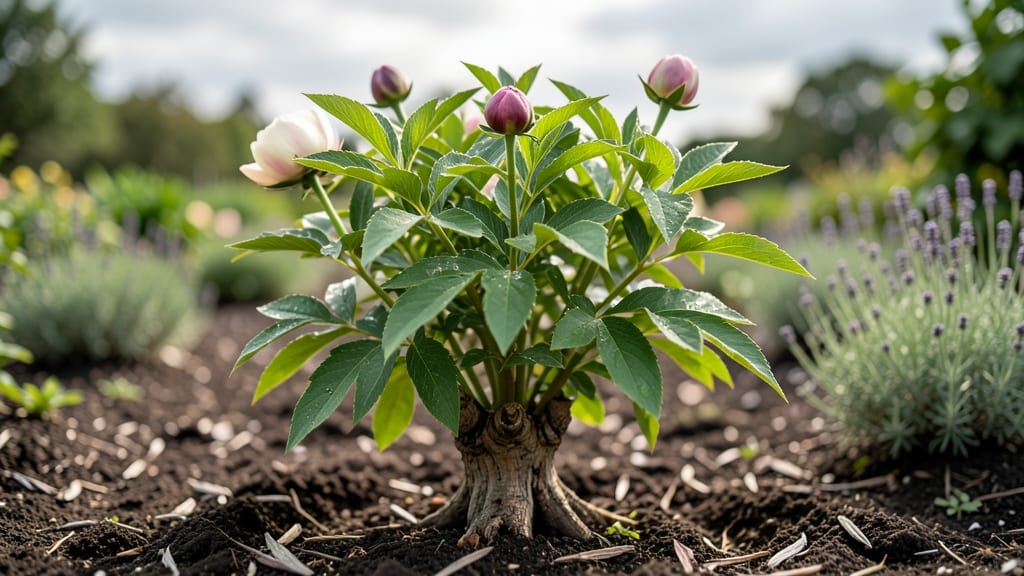
Perennials do come back every year by default, though some may die back temporarily due to frost sensitivity, improper care, or environmental stress. Most survive winter through underground storage organs or dormant growth, reviving when conditions improve.
Perennials earn their name from their natural ability to regrow annually, but their survival depends heavily on how they handle winter dormancy. 🌱 Some plants store energy in roots or bulbs, while others remain dormant above ground until temperatures rise.
The key difference between perennials that thrive and those that fail often comes down to proper winter care—like mulching, avoiding overwatering, and protecting tender varieties from harsh freezes.
What trips up many gardeners is assuming all perennials are equally resilient. For example, peonies and hostas typically return strong every spring, while tender perennials like cannas or dahlias may need winter protection or division every few years to maintain vigor.
Understanding your climate zone and plant hardiness helps you choose varieties that will reliably bounce back year after year.
💡 In This Article
- How Perennial Plants Survive Winter and Regrow
- Common Reasons Perennials Fail to Return Year After Year
How perennial plants survive winter and regrow
The magic of perennials lies in their biological adaptations for survival. Most store energy in specialized underground structures like rhizomes (horizontal roots), bulbs (onion-like storage organs), or tubers (thickened roots). These structures contain carbohydrates and nutrients that fuel regrowth when spring arrives.
For example, daylilies use rhizomes to survive harsh winters, while daffodils rely on bulbs that remain dormant but protected below the frost line.
Temperature acts as the primary trigger for regrowth. As soil temperatures rise above 40°F in spring, plant hormones like gibberellins activate, signaling the plant to break dormancy.
Moisture also plays a critical role—adequate rainfall or irrigation ensures these storage organs can rehydrate and begin metabolic activity. 🌱 Some perennials, like lavender, have woody stems that stay above ground but enter a semi-dormant state, protected by a waxy coating that prevents moisture loss.
Not all perennials follow the same survival strategy. Tender perennials (like USDA Hardiness Zones 5-8 plants) may die back completely in cold climates but regrow from protected roots or basal buds.
Hardy perennials (like Zones 3-4 varieties) often survive with minimal protection. The key difference is their ability to withstand prolonged freezing—some can handle -20°F temperatures, while others struggle above 10°F.
What confuses gardeners is that some perennials "die back" but still return. For instance, ornamental grasses like fountain grass may appear dead in winter but regrow from their crowns when temperatures warm.
Others, like hostas, go completely dormant but leave behind protected buds at the soil line. The confusion arises when gardeners mistake true death (from improper care) for natural dormancy.
One fascinating mechanism is the plant's ability to "reset" each year. After flowering, many perennials redirect energy from seed production back into their roots, preparing for winter.
This is why dividing perennials every 2-3 years can rejuvenate them—it forces them to rebuild their root systems, often making them more vigorous in subsequent seasons.
Consider the case of peonies: their thick, fleshy roots store enough energy to produce lush foliage and flowers for decades. In contrast, tender perennials like cannas must be dug up and stored indoors in cold climates because their roots aren't cold-hardy enough to survive freezing temperatures.
This biological diversity explains why some perennials thrive while others require extra care to return year after year.