
Plants
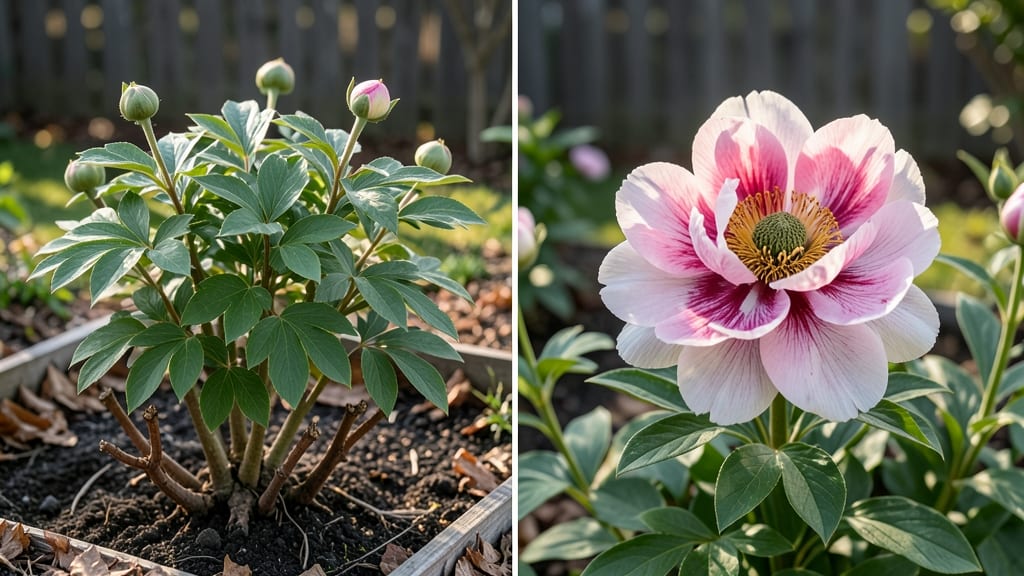
Perennials do come back yearly, but their growth cycle includes seasonal dormancy—often appearing dead (dieback) in winter before regrowing from roots or crowns when conditions improve. This dieback is normal and confirms their long-term survival strategy.
Perennials thrive because they store energy underground during harsh seasons, allowing them to rebound when conditions improve. 🌱 Unlike annuals that complete their lifecycle in one growing season, perennials focus on conserving resources in their root systems or crowns.
This strategy lets them push through soil and regrow foliage each spring, even after looking completely dormant. The key is recognizing this natural cycle—what appears as death is actually a survival mechanism that makes perennials low-maintenance garden staples.
What sets true perennials apart is their ability to persist for multiple years, typically three or more, through this dormancy cycle. Many gardeners mistake winter dieback for plant failure, but this is actually how perennials prepare for regrowth.
The energy stored in their roots during active growing seasons fuels their comeback, making them ideal for landscapes that require minimal replanting.
💡 In This Article
- How Perennial Plants Survive Winter Dieback
- Identifying True Perennials vs Annuals or Biennials
How perennial plants survive winter dieback
Perennials employ a sophisticated survival strategy called seasonal dormancy, where they enter a low-energy state during cold months. This process begins when temperatures drop below 50°F and daylight hours shorten, triggering hormonal changes that signal the plant to halt growth.
The plant's leaves and stems wither away—a phenomenon called dieback—but the real action happens underground, where specialized tissues like corms, tubers, or rhizomes store carbohydrates and nutrients. These storage organs can contain up to 30-50% starch reserves, which act like a biological battery for regrowth.
The root system plays a critical role in this survival mechanism. Unlike annuals that die completely after seed production, perennial roots develop a meristematic zone—a growth region packed with undifferentiated cells that can differentiate into new shoots when conditions improve.
For example, peony roots can extend 3-4 feet deep and store enough energy to produce 6-10 stems the following spring. This deep storage system also protects against frost penetration, which can be 10-15°F colder at the soil surface compared to deeper layers.
What makes this system so efficient is the plant's ability to prioritize energy conservation. During active growth, perennials allocate 60-70% of their photosynthate (sugar production) to root development, while only 30-40% goes to above-ground growth. This reverse allocation strategy ensures they have sufficient reserves when dormancy begins.
The crown—the transition zone between roots and stems—often contains bud scales that protect meristematic tissue, similar to how a seed protects its embryo. These protective layers can withstand -20°F temperatures for many species.
Temperature fluctuations actually trigger the regrowth process. When daytime temperatures consistently reach 55-60°F in spring, the stored carbohydrates convert to sugars that fuel new shoot formation. This explains why perennials often emerge 2-4 weeks before annuals in the same climate zone—their underground systems are already primed for action.
The timing of this regrowth varies by species: early bloomers like crocus may appear in late winter, while later perennials like hostas wait until May when soil temperatures reach 50°F.
One fascinating adaptation is the antifreeze proteins some perennials produce during dormancy. These proteins, found in plants like winter wheat and snowdrop bulbs, prevent ice crystal formation in cell walls, allowing tissues to survive -40°F conditions.
While not all perennials have this capability, it demonstrates the extreme survival strategies plants have evolved. The trade-off for this winter resilience is slower initial growth in spring compared to annuals, but this energy conservation pays off in their ability to persist for decades.
Consider the classic example of daylilies, which can live for 50+ years in optimal conditions. Their rhizomes (horizontal underground stems) contain multiple growth nodes, each capable of producing new shoots.
Even if 90% of the rhizome system is damaged by frost or digging, the remaining 10% can regenerate the entire plant. This redundancy is a hallmark of perennial survival strategies—built-in backup systems that ensure continuity across seasons.
The sensory experience of watching perennials regrow is particularly rewarding. After months of apparent dormancy, you'll notice the first fuzzy green shoots pushing through soil in early spring, often accompanied by a fresh, almost earthy citrus aroma from new growth.
This visual and olfactory cue confirms that the plant's survival mechanisms are working perfectly—what appeared as death was merely a strategic pause in its lifecycle. 🌱