
Flowers
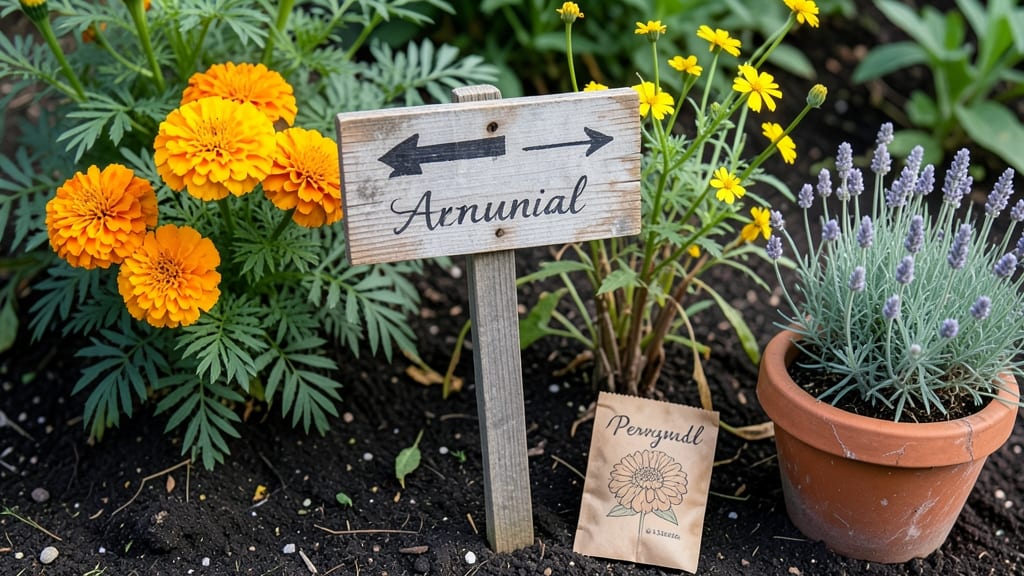
When you hear "annual," it means yearly—not perennial—because these plants live for just one growing season, from seed germination to seed production, before dying. Perennials, however, return each year from the same root system, often growing stronger with age.
This distinction matters more than you might think. Annuals like marigolds and zinnias deliver vibrant blooms all season long but require replanting each year, while perennials such as lavender or coneflowers establish roots that persist through winter. 🌱 The trade-off?
Annuals often produce more flowers in their single season, but perennials reward patience with long-term beauty and lower maintenance after the first year. For gardeners, this means choosing based on your timeline—quick color bursts or lasting investments.
Here's the botanical secret: annuals focus all their energy on rapid growth and reproduction, while perennials allocate resources to building robust underground structures.
That's why you'll see sunflowers (annuals) grow from seed to towering height in months, while peonies (perennials) take years to reach their full glory but then thrive for decades.
💡 In This Article
- How Annual and Perennial Plant Lifecycles Differ Biologically
- Choosing Between Annuals and Perennials for Your Garden
How annual and perennial plant lifecycles differ biologically
The core difference between annual and perennial plants lies in their energy allocation strategies. Annuals like zinnias or cosmos devote nearly all their resources to rapid growth, flowering, and seed production within a single season—often just 60-90 days.
Their shallow root systems (typically 6-12 inches deep) maximize quick nutrient absorption, while their stems develop fibrous structures that support quick vertical growth. This "live fast, die young" approach ensures they complete their lifecycle before frost, leaving behind seeds for next year.
Perennials, however, prioritize root system development and energy storage. Take peonies: their roots grow deeper (12-24 inches) and wider each year, forming thick rhizomes that store starches for winter survival.
This underground network allows them to push new shoots above ground within weeks of spring thaw, while annuals would need to start from scratch. The trade-off?
Perennials often take 2-3 years to reach full flowering potential, but once established, they can live for decades—some, like crepe myrtles, for over 100 years.
Dormancy strategies also differ dramatically. Annuals simply die back when temperatures drop, but their seeds often require cold stratification (exposure to cold, moist conditions) to break dormancy. Perennials, however, enter a bud dormancy state where their root systems remain metabolically active underground, even when tops are frozen.
This explains why you can dig up a daylily root in winter and see it's still alive—something impossible with an annual's seed.
Consider the sunflower vs. black-eyed Susan comparison: the annual sunflower grows 6-12 feet tall in 3 months, producing thousands of seeds, while the perennial black-eyed Susan might only reach 2-3 feet in its first year but returns reliably for years.
The key mechanism? Annuals use C3 photosynthesis (efficient in cool weather) to maximize growth speed, while many perennials employ C4 pathways (like switchgrass) that conserve water and energy for long-term survival.
Even their reproductive timing differs: annuals flower en masse during their single growing season, while perennials often stagger flowering to prolong their bloom period.
This explains why your marigolds (annuals) might flower continuously from June to frost, while your coneflowers (perennials) bloom in July but produce seeds that feed birds through winter. 🌱
One fascinating exception is biennials like carrots or parsley, which follow a two-year cycle—storing energy in roots the first year to flower and seed the second. This hybrid strategy shows nature's spectrum between annual and perennial extremes, proving that plant lifespans aren't binary but exist along a continuum.