
Plants
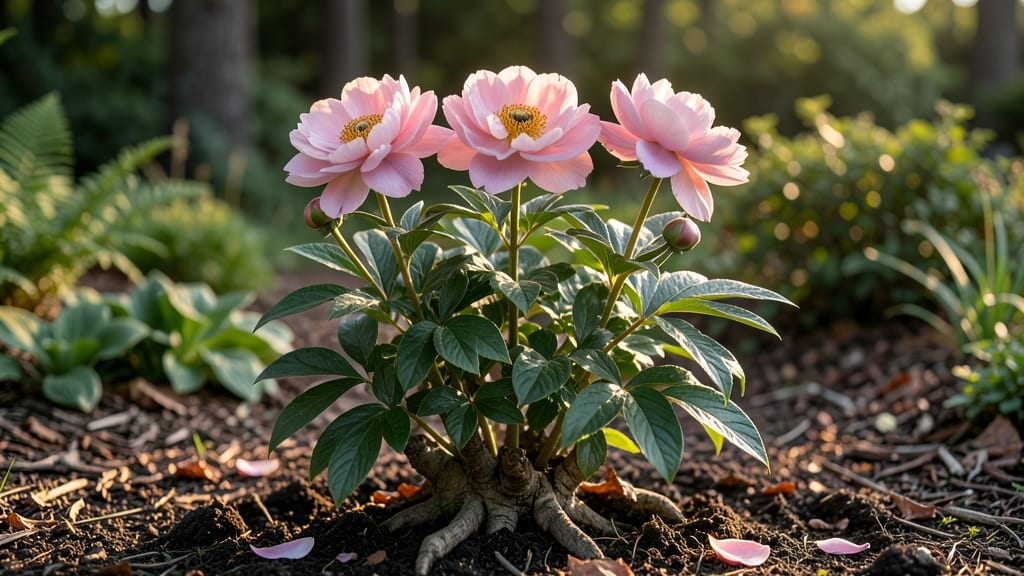
When we say a plant is perennial, it means it comes back every year—but only if its roots and underground structures survive seasonal dormancy. Many perennials go dormant in winter, then regrow from the same base when conditions improve, though some may need proper care to thrive long-term.
This "coming back" isn't just about leaves—it's about the plant's hidden survival system. 🌱 Most perennials store energy in their roots or rhizomes during cold months, then push new growth when temperatures rise.
Think of it like a plant version of hibernation: the above-ground parts may die back, but the foundation remains alive underground. Some hardy varieties, like peonies or hostas, can last decades with minimal care, while others need protection from extreme cold or proper pruning to bounce back reliably.
What's fascinating is how different perennials handle this cycle. Some, like lavender, might look completely dead in winter but spring back with vigor, while others, such as some grasses, maintain evergreen foliage year-round.
The key difference between perennials and annuals is this underground persistence—annuals complete their entire life cycle in one season, while perennials have built-in resilience through their root systems.
💡 In This Article
- How Perennial Plants Survive Through Seasons
- Caring for Perennials to Ensure Yearly Regrowth
How perennial plants survive through seasons
The secret to a perennial's survival lies in its underground architecture. Unlike annuals, which complete their entire life cycle in a single season, perennials invest heavily in developing robust root systems, rhizomes, or tubers that act as energy reserves.
These structures can store up to 50-70% of the plant's annual energy production in the form of starches and sugars, fueling regrowth when conditions improve. For example, a peony's thick, fleshy roots can store enough energy to produce new shoots even after a 20°F winter.
Dormancy is the next critical mechanism. When temperatures drop below their cold-hardiness zone thresholds—typically Zone 3 (-40°F) for hardy varieties like coneflowers to Zone 9 (20°F) for tender perennials like salvias—the plant triggers a series of biochemical changes.
Growth hormones like auxin and gibberellins decrease, while abscisic acid (ABA) increases, signaling cells to enter a state of suspended animation.
This isn't true death—cells remain metabolically active at reduced rates, maintaining just enough function to survive frost and drought. 🌿 The above-ground parts may crisp and brown, but the root crown stays alive, ready to push new growth when soil temperatures reach 50°F.
Regrowth timing depends on both temperature and daylight cues. Most perennials follow a vernalization process, where exposure to cold temperatures (typically 4-8 weeks below 40°F) breaks dormancy. This is why late-winter pruning can sometimes stimulate premature growth—removing protective foliage too early exposes tender stems to potential frost damage.
The plant's internal clock also responds to increasing daylight hours, which trigger the production of florigen, a hormone that initiates flowering. This dual system explains why some perennials like hostas emerge earlier in milder climates but wait until late spring in colder regions.
Cold-hardiness zones play a crucial role in determining which perennials will reliably return year after year. A plant rated for Zone 5 (-20°F) might survive in Zone 6 but struggle in Zone 4, where winters can drop to -30°F.
Even within zones, microclimates matter—south-facing slopes warm up faster than north-facing beds, which can mean the difference between a plant's survival and its demise. For instance, Russian sage thrives in Zones 4-9 but may need winter mulch in Zone 4 to protect its crown from extreme cold.
Not all perennials follow the same survival strategy. Some, like ornamental grasses, maintain evergreen foliage year-round, while others like hellebores stay dormant above ground but keep their roots active. The key difference lies in their cambial activity—the growth layer responsible for producing new cells.
In dormant perennials, this activity nearly stops, while semi-evergreen types maintain minimal growth. This biological diversity explains why some perennials look completely dead in winter while others just shed their old leaves.
What most gardeners don't realize is that even hardy perennials can fail to return if their roots aren't protected from soil heaving during freeze-thaw cycles. When water expands as it freezes, it can push roots out of the ground, exposing them to drying winds.
This is why proper mulching (with 3-4 inches of organic material) is crucial—it insulates the soil, maintains even temperatures, and prevents moisture loss. The result? A perennial that might otherwise perish from winter stress gets the best chance to bounce back in spring. 💫