
Light Requirements
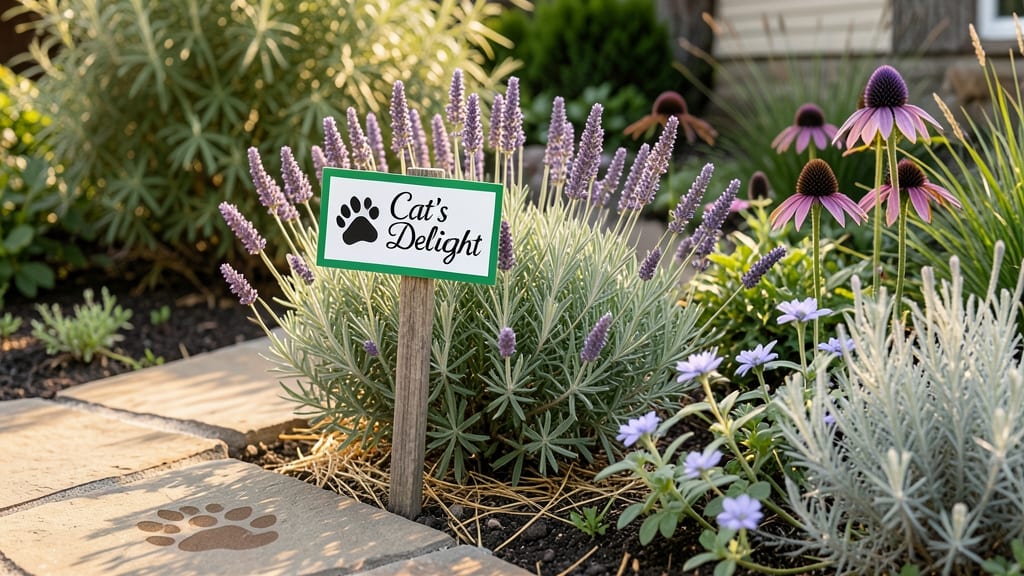
Dog-safe perennials for full sun thrive in bright light while keeping pets secure, including lavender, catmint, and coneflower, which offer vibrant blooms and zero toxicity risks for curious pups.
When choosing sun-loving plants for your garden, prioritizing safety around pets is just as important as their ability to withstand intense sunlight. 🌞 These hardy perennials not only survive in full sun but also provide vibrant colors that won't harm your furry friends.
Lavender, for example, repels fleas naturally while adding fragrance, while catmint attracts pollinators without the risks of toxic blooms. The key lies in their deep root systems and drought-resistant traits, which make them perfect for sunny climates while ensuring your dog can sniff and explore without worry.
What sets these plants apart is their ability to thrive in conditions that would stress out less resilient varieties. Most dog-safe perennials also have self-cleaning foliage, reducing the need for harsh chemicals that could be dangerous if ingested.
I always recommend spacing them properly to prevent overcrowding, which can lead to fungal issues—especially important in hot, dry climates where moisture is scarce.
💡 In This Article
- Why These Perennials Survive Full Sun Without Harming Dogs
- Planting and Care Tips for Pet-Friendly Sun-Loving Gardens
Why these perennials survive full sun without harming dogs
These sun-loving perennials thrive in full sun thanks to their deep taproot systems, which can access water up to 3 feet underground.
Plants like coneflower (Echinacea) and Russian sage (Perovskia atriplicifolia) develop these roots to survive drought conditions, making them perfect for sunny gardens where watering is inconsistent.
Their waxy leaf coatings also reduce water loss through evaporation, a trait shared with many desert-adapted plants like yucca, but without the sharp spines that could harm pets. 🌿
The non-toxic nature of these perennials stems from their chemical composition.
Unlike toxic plants such as foxglove (Digitalis), which contains cardiac glycosides, or lilies (Lilium), which produce oxalates, dog-safe varieties like lavender (Lavandula) and catmint (Nepeta) produce essential oils and terpenes that are safe in small amounts.
For example, lavender's primary compound, linalool, is used in pet-safe aromatherapy and has a calming effect on dogs when inhaled—though ingestion in large quantities can cause mild stomach upset, it's far less dangerous than many ornamental plants.
Another key advantage is their self-cleaning foliage. Many dog-safe perennials, such as black-eyed Susan (Rudbeckia hirta), naturally shed debris and resist fungal diseases that thrive in damp, shaded conditions. This reduces the need for chemical treatments, which can linger on leaves and pose risks if ingested.
In contrast, plants like azaleas (Rhododendron) require acidic soil and frequent pruning, making them less practical for pet-friendly gardens where dogs might disturb the soil or nibble on leaves.
Color intensity in these perennials also plays a role in their resilience. Vibrant blooms like those of bee balm (Monarda) contain anthocyanins, antioxidants that protect the plant from UV damage while providing nectar for pollinators.
These compounds are safe for dogs and contribute to the plant's ability to thrive in 6+ hours of direct sunlight daily, a threshold that would scorch many shade-loving varieties. The trade-off? Their bright hues make them irresistible to curious pups, but their non-toxic nature means no need for worry.
For comparison, toxic alternatives like oleander (Nerium oleander) or castor bean (Ricinus communis) rely on chemical defenses like cardiac glycosides to deter herbivores, including pets. These plants often have glossy leaves that retain moisture, but their survival strategies come at the cost of toxicity.
Dog-safe perennials, however, use physical defenses like hairy stems (e.g., lamb's ear, Stachys byzantina) or aromatic foliage (e.g., mint family members) to repel pests without harming pets. This dual functionality makes them the ideal choice for sunny, pet-friendly landscapes. 🐾
Seasonal adaptability further sets these perennials apart. Many, like sedum (Hylotelephium), store water in their leaves, allowing them to survive dry spells while maintaining their vibrant colors. This trait is particularly useful in full-sun gardens where summer heat can stress less resilient plants.
The result? A garden that stays lush, colorful, and safe year-round, even during the hottest months.