
Planting
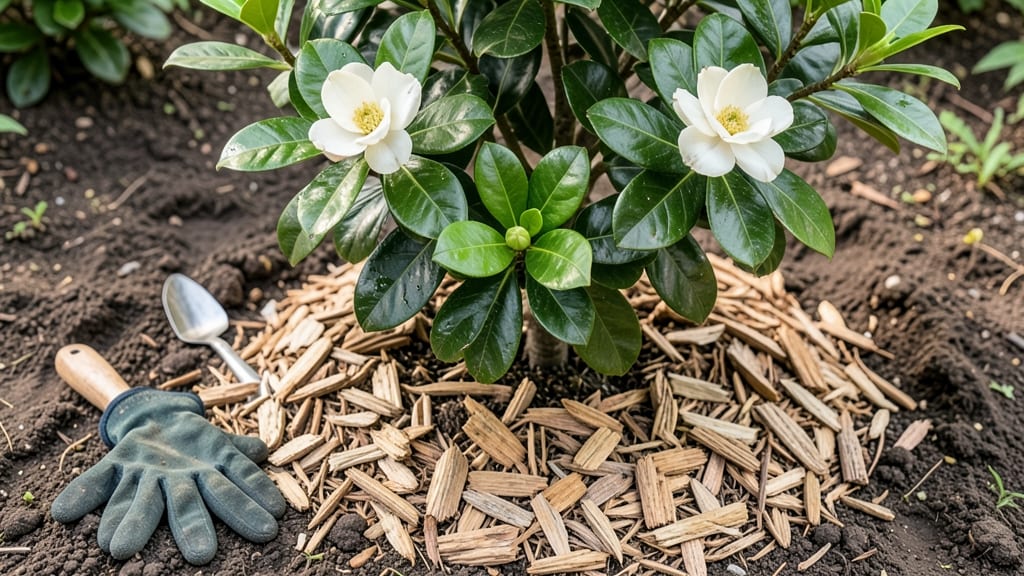
Gardenia perennial survival in Zone 7 depends on shielding roots from winter chill and pruning at the right time to stimulate new blooms, but temperatures below 10°F can still cause top dieback even with protection. Cold-hardy cultivars like 'Kleim’s Hardy' fare better than tropical types.
Cold-hardy gardenias thrive in Zone 7 when you focus on root protection—think thick mulch or straw wraps around the base. 🌱 The secret lies in letting the plant's dormant phase work for you: while the foliage may blacken in freezing snaps, the roots often survive to regrow come spring.
This is why pruning back dead stems in late winter (after the worst cold) is key—it redirects energy to fresh growth and encourages those signature blooms.
Not all gardenias are created equal, though. The 'Kleim’s Hardy' variety stands out because it's been bred to handle Zone 6 temps with minimal damage, making it the go-to for northern gardeners.
For tropical types, you'll need extra insulation like burlap wraps or even a mini greenhouse setup during extended cold snaps. The goal? Keep those roots cozy while giving the plant a clean slate for reblooming.
💡 In This Article
- How Cold Dieback Affects Gardenia Perennials in Zone 7
- Pruning and Winterizing Gardenias for Zone 7 Reblooms
How cold dieback affects gardenia perennials in Zone 7
Cold dieback in gardenias happens because these tropical plants evolved in warm climates where temperatures rarely drop below 50°F. When Zone 7 winters push temps toward 10°F or lower, the plant's cells rupture from ice crystal formation in the leaves and stems.
The roots, however, often survive because they're insulated by soil and mulch, creating a microclimate that stays 10-15°F warmer than air temps. This is why you'll see blackened foliage while the base remains alive—it's the plant's survival strategy to protect its energy reserves underground.
The science behind this involves cellular dehydration. As temperatures drop, water in plant cells freezes and expands, tearing cell walls. Gardenias lack the antifreeze proteins found in cold-hardy plants like rhododendrons, which is why they're classified as Zone 9-11 natives.
Hardy varieties like 'Kleim’s Hardy' have been selectively bred to tolerate Zone 6 by developing thicker cell walls and higher sugar content in their sap, which acts as a natural antifreeze. Tropical types, however, have 30-50% less of these protective compounds.
What most gardeners don't realize is that dieback isn't always fatal—it's a form of dormancy adaptation. The plant sheds damaged foliage to conserve energy, similar to how deciduous trees drop leaves in winter. In Zone 7, gardenias can recover fully if 70% of the root system remains intact.
This is why spring regrowth often happens within 4-6 weeks after the last frost, as long as you've protected the roots with 6+ inches of mulch or straw.
Temperature thresholds matter more than duration. A single night at 15°F may cause minor browning, while prolonged exposure below 10°F can kill the entire above-ground plant. The critical window is between 20°F and 32°F, where damage becomes increasingly likely.
This is why Zone 7 gardeners need to monitor forecasts and take action when cold snaps are predicted—delaying protection can mean the difference between full recovery and plant death.
Hardiness ratings explain why 'Kleim’s Hardy' thrives where tropical types fail. The former can handle Zone 6 winters because its cells contain 2-3 times more soluble sugars than tropical varieties, which lowers the freezing point of water within the plant.
Tropical gardenias, meanwhile, have thinner cuticles and less waxy coatings, making them more susceptible to frost damage. Think of it like comparing a woolen coat to a summer dress—one keeps you warm, while the other leaves you shivering.
Here's what's actually happening in your garden: When temps drop, the plant's vascular system slows dramatically. Sap thickens and moves upward at 1/10th the normal rate, which is why pruning too early can starve the roots.
Wait until late winter (after the last frost) to trim dead growth—this gives the plant time to rebuild its energy reserves before new shoots emerge. 🌱