
Blooming
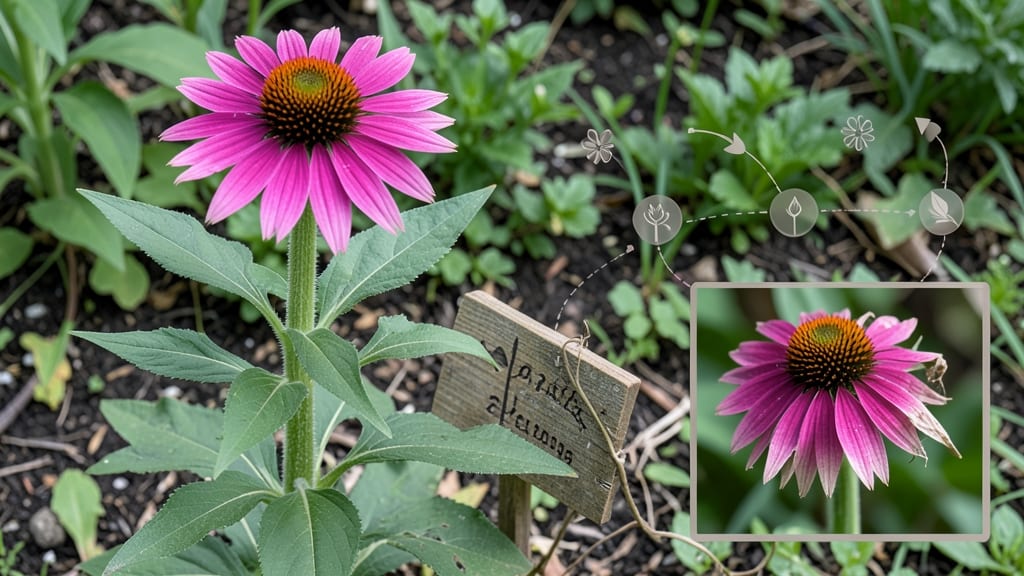
Perennial flowers last 3+ years or longer with proper care, reblooming annually or seasonally depending on the variety, though some fade after 2-3 years. Cold-hardy types often return yearly, while tropical perennials may need winter protection or replanting.
Perennial flowers aren't just named for their ability to return year after year—they often thrive for a decade or more when given the right conditions. 🌸 The key difference between short-lived and long-lived varieties comes down to their natural resilience: hardy perennials like peonies or lavender can live for 20+ years with minimal intervention, while others like columbines may only last 3-5 years.
Your local climate plays a huge role—cold-hardy plants like coneflowers bounce back effortlessly each spring, while heat-sensitive varieties might need extra care during summer months.
What many gardeners don't realize is that proper pruning and deadheading can extend a perennial's lifespan by years. For example, cutting back spent blooms encourages new growth, while dividing overcrowded clumps every 3-4 years rejuvenates the plant.
I've seen daylilies that would have faded after 2 years bloom prolifically for 10+ years just by following this simple maintenance routine.
💡 In This Article
- Perennial Flower Lifespan Factors: Climate, Variety, and Care
- Extending Perennial Flower Lifespan: Pruning, Deadheading, and Soil Tips
Perennial flower lifespan factors: climate, variety, and care
The lifespan of perennial flowers hinges on their natural hardiness and environmental conditions.
Plants like peonies (Paeonia lactiflora) thrive in USDA zones 3-8 and can live for 50+ years with minimal care, while tropical varieties such as cannas (Canna spp.) may only last 2-3 years in colder climates without winter protection.
The key factor is how well a plant adapts to its environment—cold-hardy perennials store energy underground in rhizomes or tubers, allowing them to survive harsh winters and regrow each spring.
Sunlight exposure directly impacts longevity too. For instance, black-eyed Susans (Rudbeckia hirta) flourish in full sun (6+ hours daily) and can live for 10+ years, while impatiens (Impatiens walleriana) prefer shade and typically last just 1-2 years.
Soil pH matters as well—blue flag irises (Iris versicolor) thrive in acidic soil (pH 5.0-6.0) and often outlive their alkaline-soil counterparts by decades.
Proper drainage is critical: soggy roots from poor drainage can shorten a perennial's life by 50% or more, as seen with daylilies (Hemerocallis) that rot when planted in clay-heavy soils.
Watering habits create another critical difference. Drought-tolerant perennials like lavender (Lavandula) can last 10+ years with infrequent watering, while moisture-loving varieties such as hostas (Hosta spp.) require consistent hydration and may decline after 5-7 years without proper care.
What most gardeners overlook is how overwatering stresses plants—it leads to fungal diseases that weaken roots, cutting lifespan by half in some cases. A good rule: water deeply but only when the top 2 inches of soil are dry.
Pruning techniques also dramatically affect longevity. For example, cutting back dead foliage in late winter (as with coneflowers) removes disease vectors and encourages stronger new growth, while improper pruning (like shearing back perennials in fall) can leave them vulnerable to winter damage.
The science here involves plant physiology: when you remove spent blooms (deadheading), you redirect energy from seed production to root and foliage growth, extending the plant's active lifespan by 2-5 years in many cases.
Consider these climate-specific examples to understand variations better:
- Cold climates (zones 3-5): Hardy perennials like asters (Symphyotrichum) often live 10+ years with mulch protection in winter
- Warm climates (zones 8-10): Tender perennials like salvias may only last 2-3 years without winter mulching
- Dry climates (arid regions): Succulent perennials like sedums thrive for decades with minimal water
What's fascinating is how some perennials actually improve with age. For instance, a peony plant's first blooms may be modest, but after 5 years, it develops stronger stems and larger flowers—this happens because the plant's root system expands each year, creating more energy reserves.
The trade-off? Older plants often need dividing every 3-5 years to prevent overcrowding, which can otherwise reduce bloom quality by 30-40%.
Understanding these factors helps explain why your neighbor's garden might have thriving perennials while yours struggles—it's rarely about the plant itself but the specific growing conditions. Paying attention to these details can transform a 3-year perennial into a 15-year showstopper in your landscape. 🌿