
Companion Plants
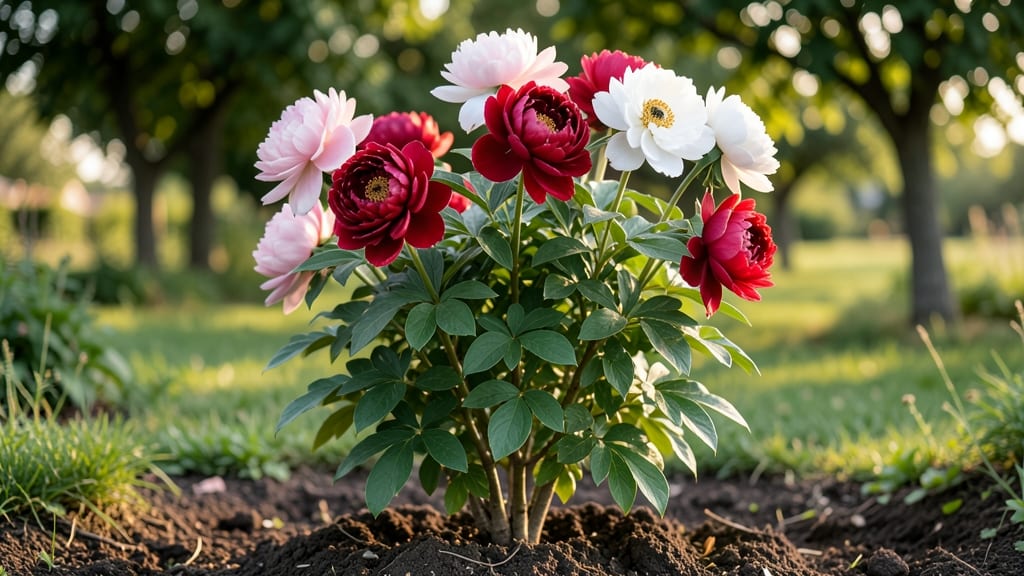
Perennial plants live for multiple growing seasons, typically ranging from 3 to 100+ years, depending on species, care, and environmental conditions. Some, like peonies, thrive for decades, while others, such as biennials mistaken for perennials, may live only two years.
Perennial plants earn their name by returning year after year, but their actual lifespan varies wildly—from just a few seasons to centuries in some cases. 🌱 The key difference lies in their root systems: deep-rooted perennials like asclepias (butterfly weed) often outlast shallow-rooted varieties.
For example, a well-established lavender plant can live 20+ years with proper care, while a delicate columbine might only return for 5-7 seasons before declining. What truly extends their life isn't just age, but how you maintain them—watering consistency, soil health, and seasonal pruning make all the difference.
Many gardeners assume all perennials are long-lived, but some popular "perennials" are actually biennials or short-lived perennials that only return for 2-3 years. 💫 The confusion often comes from how nurseries label plants—always check the plant's expected lifespan before committing to it in your garden design.
For instance, while hostas can live 10+ years, they're more vulnerable to slug damage, which can shorten their lifespan if not managed properly.
💡 In This Article
- Factors That Determine Perennial Plant Lifespans
- Longest-Lived Perennials for Sustainable Gardens
Factors that determine perennial plant lifespans
The lifespan of a perennial plant is fundamentally tied to its root system development and genetic hardiness. Deep-rooted perennials like peony (Paeonia lactiflora) or Russian sage (Perovskia atriplicifolia) can live 50+ years because their extensive root networks store nutrients and water, allowing them to survive droughts and harsh winters.
These roots can grow 3-5 feet deep, accessing moisture and minerals that shallow-rooted plants miss. In contrast, plants like columbine (Aquilegia) have fibrous, shallow roots that make them more vulnerable to environmental stress, often limiting their lifespan to 5-7 years.
Climate resilience plays a critical role—some perennials thrive in USDA Hardiness Zones 3-4, where they endure sub-zero temperatures and heavy snow, while others wilt in these conditions. For example, black-eyed Susan (Rudbeckia hirta) naturally grows in prairie regions where it faces extreme temperature swings, allowing it to live 10-15 years with minimal care. Meanwhile, tropical perennials like canna lilies may only last 3-5 years in colder climates unless protected. Soil health is equally vital: well-draining, nutrient-rich soil with a pH of 6.0-7.0 supports long-term growth, while compacted or acidic soil accelerates decline.
Watering consistency is often underestimated—perennials like lavender (Lavandula) require drought-tolerant conditions and can live 20+ years if overwatered, their roots rot within 2-3 years. Conversely, hostas (Hosta spp.) need consistent moisture but suffer if waterlogged, which shortens their 10-15 year lifespan. Pruning also impacts longevity: aggressive pruning of coneflowers (Echinacea) can reduce flowering but extends their life by removing diseased foliage, while neglecting deadheading in daylilies (Hemerocallis) leads to weaker growth and shorter lifespans.
Pest and disease pressure can cut lifespans dramatically—slugs can devastate hostas in 2-3 years, while powdery mildew weakens phlox (Phlox paniculata), reducing its 10-year lifespan to just 3-5 years. Even beneficial insects like ladybugs can become pests if populations explode, stressing plants. Soil-borne pathogens (e.g., Phytophthora) are particularly deadly, turning long-lived perennials like iris (Iris germanica) into short-term investments if not managed with fungicides or resistant varieties.
Seasonal care makes a surprising difference—dividing overcrowded perennials every 3-5 years (like daylilies or bee balm) rejuvenates them, potentially doubling their lifespan. Without division, center clumps starve for resources, leading to browning and death within 5-7 years. Even mulching in winter can extend life by protecting roots from freeze-thaw cycles, which is why peony roots survive centuries in Japanese temple gardens—a testament to patient, seasonal maintenance.
What most gardeners overlook is that perennials age like humans—they experience declining vigor after 20-30 years, even if they don’t die. For example, a 50-year-old lavender bush may still produce flowers but with less frequency and smaller blooms.
Recognizing these signs of senescence (yellowing leaves, reduced blooming) helps you renew or replace plants before they become unsightly or non-functional.