
Aphids
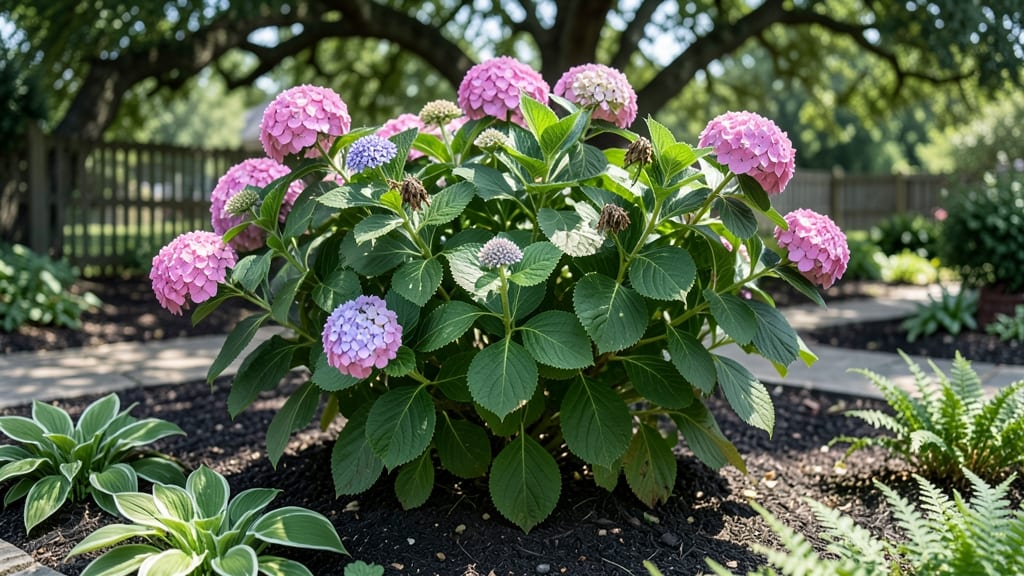
Hydrangeas are perennials in most climates, meaning they die back to the ground each winter before regrowing from their dormant root systems in spring.
This dieback cycle is actually a survival strategy—hydrangeas store energy in their roots during warmer months, allowing them to push out new growth once temperatures rise. 🌱 Cold-hardy varieties like oakleaf and bigleaf types handle winter better than others, but even they need proper care to bounce back strong each spring.
The key is understanding their natural rhythm rather than assuming they're dead when they go dormant.
For gardeners in colder zones, choosing the right variety makes all the difference. Oakleaf hydrangeas, for example, can survive down to -20°F, while panicle types often need protection below 10°F. Mulching heavily in late fall and watering before the ground freezes helps shield their roots from extreme cold.
What's fascinating is how these plants "know" when to wake up—buds form in late summer, waiting for consistent warmth to trigger regrowth. This biological clock explains why some hydrangeas bloom earlier than others, depending on their species and local climate patterns.
💡 In This Article
- How Hydrangea Perennial Growth Works Through Winter Dieback
- Choosing Cold-Hardy Hydrangeas for Year-Round Perennial Success
How Hydrangea perennial growth works through winter dieback
The hydrangea's winter dieback is a clever survival mechanism rooted in its root system. Unlike annuals that complete their life cycle in one season, perennials like hydrangeas store energy in their roots and underground stems (rhizomes) during fall.
This stored energy—primarily carbohydrates and starches—fuels new growth when temperatures rise. The plant's leaves and stems die back to conserve moisture and energy, but the roots remain alive and protected below the frost line.
Bud formation begins in late summer, triggered by shortening daylight hours. These buds, located at the base of stems near the soil, contain the genetic blueprint for next year's blooms and foliage.
Oakleaf hydrangeas, for example, form buds that can survive -20°F temperatures, while bigleaf varieties typically handle down to 0°F. The key difference lies in their cellular structure—oakleaf types have thicker cell walls that resist cold damage, while bigleaf varieties rely more on insulation from mulch and snow cover.
Temperature triggers are what wake hydrangeas from dormancy. Once daytime temperatures consistently stay above 50°F for several days, the buds break dormancy and begin pushing out new shoots. This process is why late frosts can damage emerging growth—new shoots are more vulnerable than established roots.
The timing varies by species: panicle hydrangeas often regrow 2-3 weeks earlier than bigleaf types, which need warmer soil temperatures to activate their root systems.
What many gardeners overlook is how hydrangeas "test" the environment before full regrowth. The plant first sends out small, tender leaves to assess conditions—if nighttime temperatures drop again, these leaves may wilt and die back temporarily.
This adaptive behavior explains why some hydrangeas appear "stunted" in spring—they're actually conserving energy until conditions are stable.
Moisture plays a critical role too. While roots can survive dry conditions during dormancy, they need adequate moisture in spring to resume active growth. This is why hydrangeas often struggle in drought-prone areas—even cold-hardy varieties can fail to regrow if their roots dry out before buds break.
A well-drained but consistently moist soil environment (maintaining 1-2 inches of water weekly) gives them the best chance to bounce back annually.
The visual transformation from winter dieback to spring regrowth is nothing short of remarkable. What appears as dead wood in January can transform into lush foliage by May, with buds swelling into vibrant blooms by summer.
This cycle proves that hydrangeas aren't just surviving winter—they're strategically preparing for their next growth phase, making them one of the most resilient perennials for gardeners in temperate climates.