
Flowers
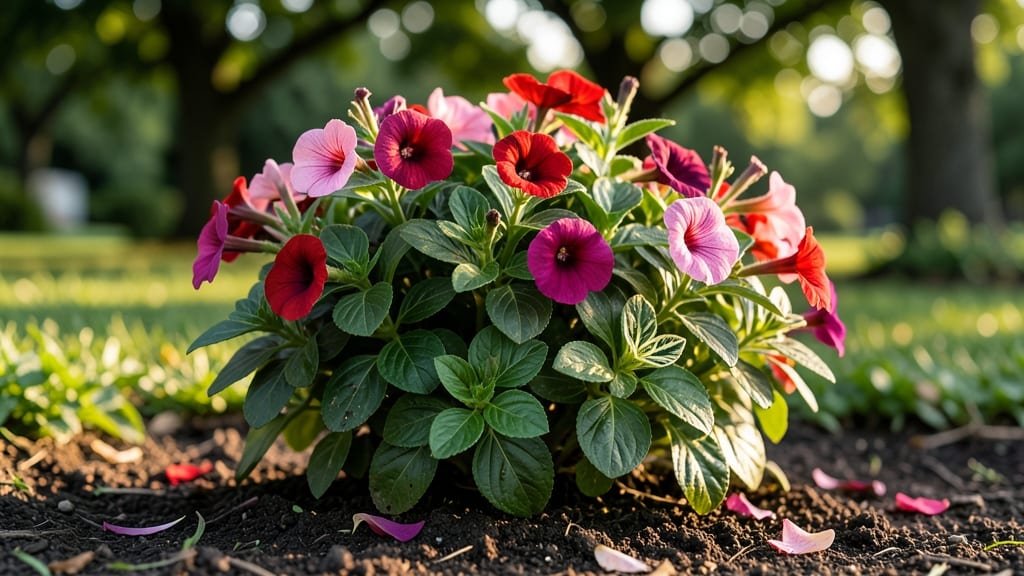
Deciding whether impatiens are annual or perennial depends on your climate: most varieties die in frost, but tropical types can thrive year-round in USDA Zone 11. Their ability to survive winter hinges on temperature tolerance and local growing conditions.
Impatiens' cold sensitivity stems from their tropical origins—most varieties can't tolerate temperatures below 32°F. 🌱 The moment frost hits, their delicate leaves turn black and crispy within hours, signaling irreversible damage.
Even in Zone 10, where winters are milder, many gardeners still treat them as annuals because the risk of unexpected cold snaps remains. Only the hardiest tropical species, like Impatiens walleriana, might survive in Zone 11 with consistent protection.
The key to extending their lifespan lies in strategic care. In warmer zones, gardeners can pot up plants before winter or create microclimates with thick mulch and frost blankets.
For marginal zones, starting fresh each spring is often the most reliable approach—though some adventurous growers try overwintering indoors with careful light and humidity control.
💡 In This Article
- Why Impatiens Die in Cold Climates: Freeze Sensitivity Explained
- Extending Impatiens Lifespan: Overwintering and Zone-Specific Care
Why impatiens die in cold climates: freeze sensitivity explained
Impatiens originate from tropical regions where temperatures rarely drop below 60°F, making them highly sensitive to cold. Their cells lack the protective mechanisms found in hardy perennials, like antifreeze proteins that prevent ice crystal formation in plant tissues.
When temperatures fall to 32°F or lower, water inside impatiens' cells begins to crystallize, rupturing delicate cell membranes and causing irreversible damage within hours. 🌱 Unlike woody perennials that can survive dormancy, impatiens' soft stems and leaves offer no insulation against frost.
The damage becomes visible almost instantly: leaves turn black and crispy, stems wilt, and the entire plant collapses. This rapid deterioration occurs because impatiens cannot produce protective compounds like sugars or proteins that help other plants endure freezing.
Even a light frost can kill non-hardy varieties, which is why gardeners in Zones 8 and below treat them as annuals. Tropical varieties like Impatiens walleriana might survive brief dips to 40°F, but consistent freezing is fatal.
USDA hardiness zones provide a clear guideline: Zones 10 and 11 offer the only environments where impatiens can potentially overwinter as perennials. Zone 10 experiences average minimum temperatures of 30-40°F, while Zone 11 stays above 40°F year-round.
The difference of just 10°F in average lows determines whether impatiens survive or succumb. In Zone 10, unexpected cold snaps can still wipe out plants, while Zone 11's consistent warmth creates ideal conditions for perennial growth.
What makes this particularly frustrating for gardeners is how quickly impatiens respond to temperature changes. Unlike hardy perennials that gradually acclimate to cooler weather, impatiens show no signs of cold tolerance.
Their tropical nature means they've evolved without the need for seasonal adaptation, leaving them vulnerable to even brief cold periods. This biological limitation explains why most gardeners in temperate climates treat them as summer-flowering annuals rather than risking winter losses.
For those in marginal zones (like Zone 10), the decision often comes down to risk tolerance. While some tropical varieties might persist through mild winters, the unpredictability of frost makes consistent overwintering difficult.
The energy required to protect plants from occasional cold snaps often outweighs the benefits of attempting to grow them as perennials. This is why most commercial impatiens are bred and sold as annuals—it's simply not practical to expect them to survive winter in most climates.