
Flowers
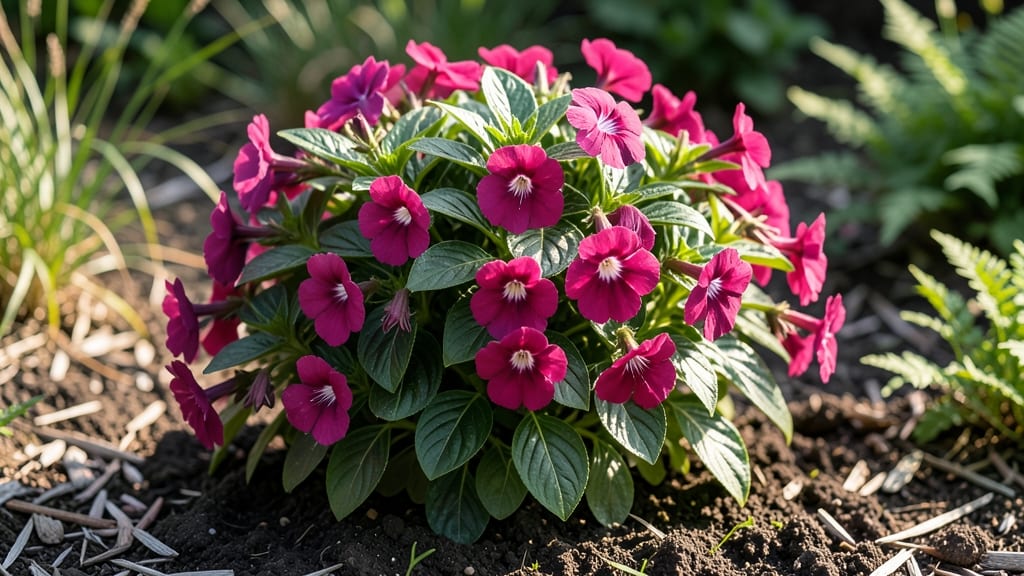
Impatiens flowers are grown as annuals in most regions because they can't survive freezing temperatures, though they're technically tender perennials in frost-free zones like USDA 10-12. Their seasonal lifespan depends entirely on climate rather than natural perennial traits.
This classification confusion stems from impatiens' tropical origins—they thrive in warm climates but succumb to frost damage in colder areas. 🌱 Even in their native zones, they often die back after blooming, requiring replanting each season.
What's fascinating is how gardeners in marginal zones (like Zone 9) sometimes coax overwintering success through protective measures, proving these plants can adapt with the right care.
For most gardeners outside Zones 10-12, treating impatiens as annuals means enjoying their vibrant blooms from spring to fall, then starting fresh the following year.
The key difference lies in their root systems: while they may not survive winter in colder climates, their roots can sometimes persist underground in milder areas, ready to sprout when conditions warm again.
💡 In This Article
- Why Impatiens Die in Cold Weather
- How to Extend Impatiens Blooms Seasonally
Why impatiens die in cold weather
Impatiens belong to the tender perennial category, meaning they avoid frost but can't endure freezing temperatures. Their native tropical habitat (East Africa, Southeast Asia) means they evolved without cold resistance.
When temperatures drop below 32°F (0°C), cellular damage occurs—ice crystals form in plant tissues, rupturing cell walls and killing the above-ground growth instantly. 🌡️ This explains why gardeners in Zones 3-9 treat them as annuals: the first frost triggers irreversible damage.
The key difference between their annual treatment and true perennial status lies in their root systems. In frost-free Zones 10-12, impatiens roots often survive winter underground, protected by organic mulch or soil insulation. These roots can regrow when temperatures rise above 50°F (10°C) in spring.
However, in colder zones, even the roots typically perish when soil temps fall below 28°F (-2°C) for extended periods. This makes them behave like annuals despite their biological classification.
What's fascinating is how impatiens exhibit thermoperiodism—their growth responds to temperature cycles. In ideal conditions (60-75°F/15-24°C), they bloom prolifically, but when nights dip below 50°F (10°C) for more than 2-3 weeks, they enter a natural dormancy phase.
This is why gardeners in marginal zones (like Zone 9) sometimes see regrowth after mild winters—the roots may have survived, but the plant's energy reserves were depleted by the stress.
Comparing USDA hardiness zones shows the survival threshold clearly:
- Zones 10-12: Frost-free winters allow roots to persist, making them true perennials with proper care
- Zones 7-9: Marginal survival possible with heavy mulching (roots may persist in mild winters)
- Zones 3-6: Annual treatment required—frost kills both tops and roots
Even in their native tropical zones, impatiens often die back after blooming due to resource depletion. Their fast growth and continuous flowering exhaust energy reserves, making them more vulnerable to environmental stresses.
This biological trait explains why they're frequently replanted annually—even in ideal climates, their natural lifespan is limited without careful management. 🌿