
Flowers
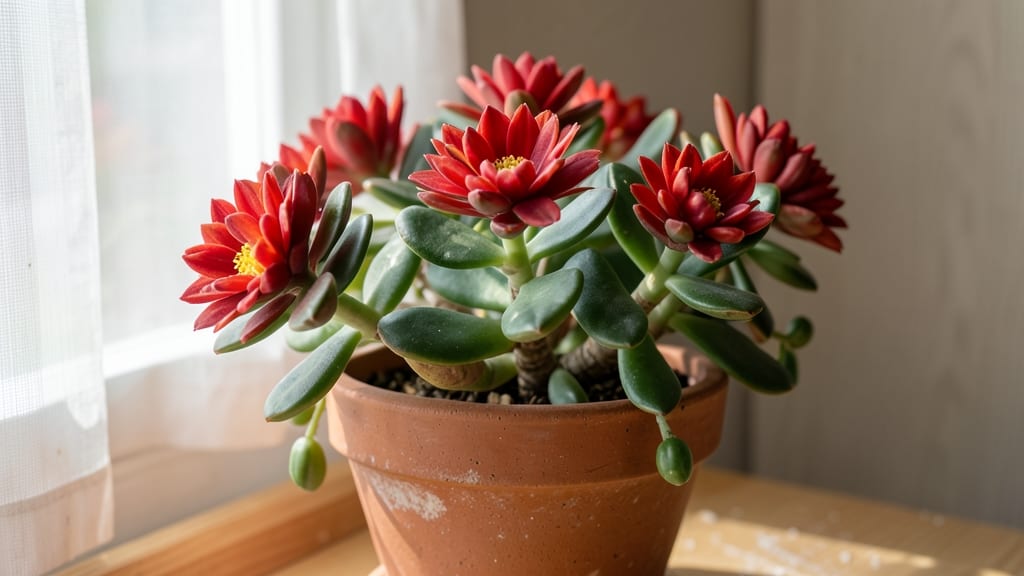
A kalanchoe is a perennial plant in warm climates, thriving through multiple growing seasons with proper care, though it may undergo winter dormancy or dieback in colder regions where frost occurs. Its longevity depends on species and environmental conditions.
A kalanchoe's perennial nature isn't always obvious because many varieties go dormant in winter, dropping leaves or appearing dead before rebounding in spring. 🌱 This survival strategy helps it conserve energy during colder months, much like other succulents.
What sets it apart is its ability to regrow from the base or even root cuttings after dormancy—proof of its true perennial classification. In frost-free zones, kalanchoes bloom year-round with minimal care, while colder-climate growers must provide indoor light and controlled conditions to maintain their health.
This adaptability makes kalanchoes popular for both indoor decor and outdoor gardens in USDA zones 9-11. The key to keeping them alive through winter is understanding their natural rhythms—some species like Kalanchoe blossfeldiana enter dormancy after flowering, while others remain active year-round.
With the right conditions, even "dead" winter plants can surprise you with new growth come spring.
💡 In This Article
- Kalanchoe Plant Life Cycle Explained
- How to Overwinter Kalanchoe in Cold Climates
Kalanchoe plant life cycle explained
Kalanchoes belong to the Crassulaceae family, classified as succulent perennials because they complete their life cycle over multiple years rather than just one season.
Unlike annuals that sprout, bloom, and die in a single year, kalanchoes store water in their thick leaves and stems, allowing them to survive dry periods and regrow after dormancy. This water-storing ability is a key adaptation that distinguishes them from true annuals or biennials.
Their perennial nature becomes most apparent in their photoperiodic flowering response—many species, like the popular Kalanchoe blossfeldiana, require 12-14 hours of darkness daily for 4-6 weeks to trigger blooming.
After flowering, they may enter a semi-dormant state where growth slows, but the plant remains alive underground or in protected leaf bases. Some hardy species, such as Kalanchoe daigremontiana, can even regenerate from tiny leaf fragments, proving their resilience as true perennials.
What confuses many gardeners is the winter dieback that makes kalanchoes appear dead. This isn't annual behavior but a survival strategy—similar to how peonies or hostas go dormant in cold climates.
The plant conserves energy by shedding leaves or stems, then regrows from protected meristem tissue at the base when conditions improve. In frost-free zones (USDA 9-11), kalanchoes may continue growing year-round, but in colder areas, this dormancy period is essential for survival.
The science behind this lies in their CAM photosynthesis pathway, which allows them to open stomata at night to minimize water loss. This adaptation enables them to thrive in arid conditions where annuals would perish.
When temperatures drop below 50°F (10°C), most kalanchoes slow metabolic processes, entering a state of physiological dormancy rather than true death—explaining why they often bounce back with new growth when warmth returns.
Consider this comparison: A marigold (annual) completes its life in one season, while a kalanchoe may live for 5-10 years or more with proper care. The key difference is their ability to regenerate from stored energy reserves and protected growing points, even after appearing completely dormant.
This biological hardwiring is what truly defines them as perennials, despite their winter dormancy tricks.
For example, if you notice your kalanchoe's leaves turning brown and dropping in winter, don't assume it's dead—check the base! Many species will push new growth from the stem or even from fallen leaves that have rooted.
This regenerative ability is a hallmark of perennial plants and what makes kalanchoes so rewarding to grow over time. 💚