
Planting
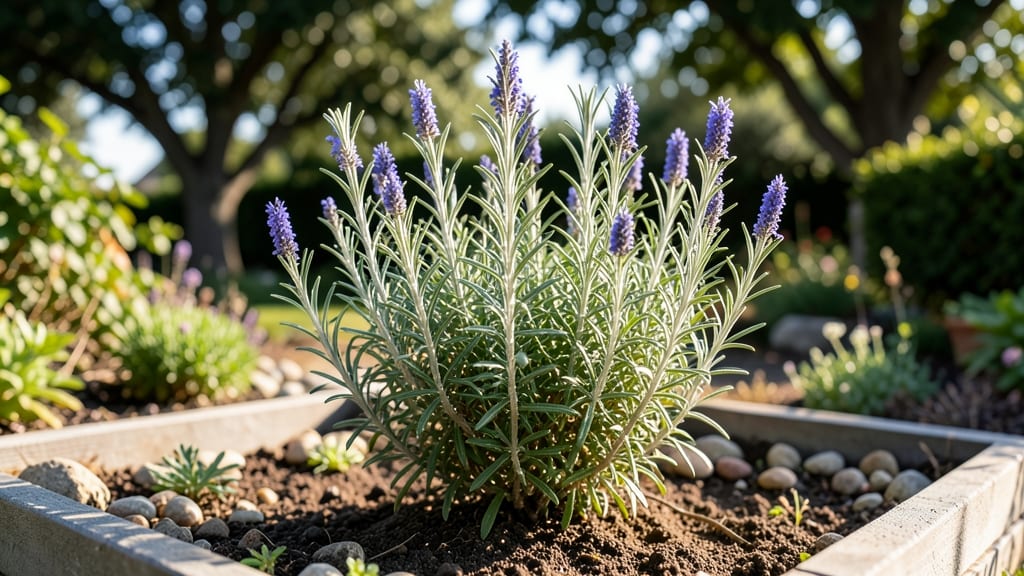
A rosemary plant acts as a perennial in warm climates (USDA zones 8-10), but it typically dies back during cold winters, only to regrow from its woody base when spring arrives. Cold-hardy varieties like 'Arp' can endure down to zone 7 with proper protection.
A rosemary plant's perennial nature depends heavily on climate. In warmer regions, it thrives year-round, but colder zones force it into dormancy. 🌿 The key lies in its woody stems—even if the foliage freezes, the root crown remains alive, ready to sprout fresh growth when temperatures rise.
This hardiness makes rosemary a favorite for gardeners in transitional climates, though some varieties need winter care like mulch or containers to survive harsh freezes.
What sets rosemary apart is its ability to bounce back from dieback, unlike annuals that must be replanted each year. This resilience means you can enjoy fresh rosemary for years with minimal effort, especially if you choose cold-tolerant cultivars.
For example, 'Arp' rosemary stands out for its winter hardiness, often surviving with just a protective layer of mulch.
💡 In This Article
- Rosemary’s Perennial Growth Cycle in Cold Climates
- Extending Rosemary’s Lifespan in Cold Regions
Rosemary’s perennial growth cycle in cold climates
Rosemary’s perennial nature relies on its unique woody stem system, which stores nutrients and moisture during dormancy. Unlike herbaceous perennials that die back to the ground, rosemary retains a thick, woody base that can survive freezing temperatures down to 15°F for short periods.
This woody structure acts like a built-in survival mechanism, protecting the plant’s vascular system from cold damage while keeping the root crown alive beneath the soil.
The science behind rosemary’s regrowth involves a process called bud dormancy. When temperatures drop below 28°F, the plant’s growth hormones shift into survival mode, halting active growth but preserving the meristem cells at the base.
These cells remain metabolically active, ready to sprout new shoots once temperatures rise above 40°F for several weeks. This is why you’ll often see rosemary plants appear "dead" in winter—only the top growth freezes, while the hidden base stays alive.
Cold dieback occurs when temperatures remain consistently below 10°F for extended periods, damaging the woody stems beyond recovery. However, the root system can still regenerate if protected.
For example, in zone 7, where winter lows can reach -5°F, rosemary may lose its foliage but often rebounds from the root crown by late spring.
This resilience explains why rosemary is classified as a semi-perennial in colder regions—it behaves like a perennial with proper care but dies back more dramatically than in warmer climates.
What most gardeners don’t realize is that rosemary’s regrowth speed depends on soil temperature. Warmer soil (50°F+) stimulates faster root activity, while cold, wet soil can delay sprouting.
This is why mulching with 4-6 inches of straw or wood chips is critical—it insulates the root zone, maintaining temperatures above 32°F even during freezes. The mulch also prevents soil heaving, which can damage the woody base during freeze-thaw cycles.
Consider these key factors when assessing rosemary’s hardiness:
- Temperature thresholds: Short-term survival at 15°F, but prolonged exposure below 10°F risks permanent damage
- Root crown depth: Plant with the base 1-2 inches below soil level for better insulation
- Variety selection: 'Arp' and 'Hill Hardy' tolerate zone 7 with protection, while standard varieties struggle below zone 8
The woody stem’s ability to regenerate is what makes rosemary such a rewarding perennial—even after a harsh winter, it can return with vigorous new growth, often more robust than before.
This natural resilience is why rosemary has been cultivated for centuries in Mediterranean climates, where it endures hot, dry summers and mild winters. 🌱