
Planting
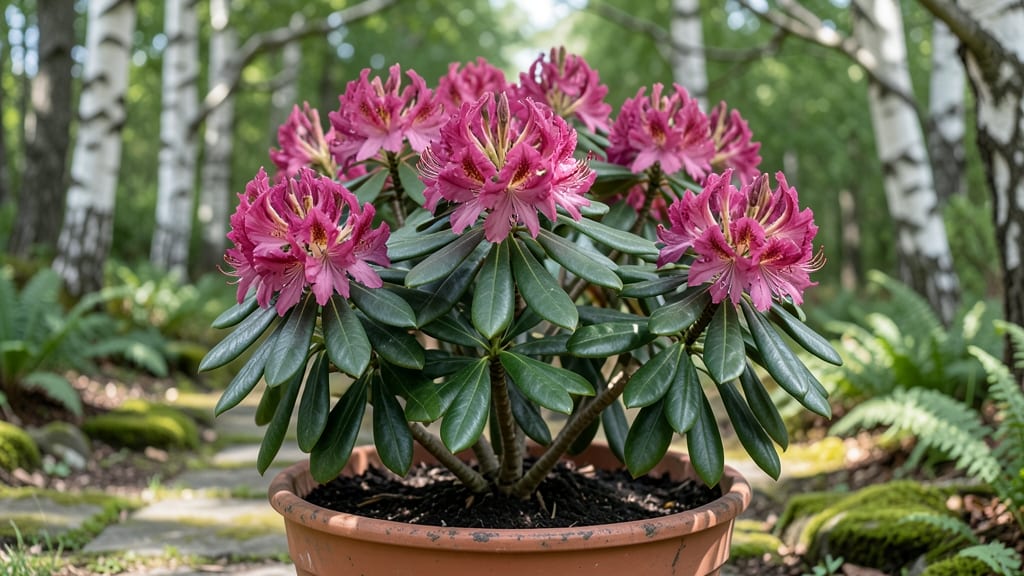
Azalea plants are perennial in U.S. Department of Agriculture hardiness zones 5-9, returning each year with proper winter care, though some varieties may die back to the ground before regrowing in spring. Cold-hardy types thrive with mulch and shelter, while tender azaleas need seasonal protection.
Azaleas earn their perennial reputation by relying on dormant buds buried in their stems and roots, which survive winter's chill. 🌱 Unlike annuals that die back completely, these buds wait for spring warmth to sprout fresh growth—often within weeks of thaw. The key difference between varieties?
Some, like the evergreen Rhododendron obtusum, keep foliage year-round, while others shed leaves entirely before rebounding. This growth pattern makes them reliable garden staples when given the right winter prep, especially in zones where temperatures dip below 10°F.
What truly sets azaleas apart is their chilling requirement—most need 300-900 hours below 45°F annually to trigger spring blooms. Without this cold exposure, buds may fail to open, leaving you with a stunning foliage plant but no flowers.
This biological quirk explains why some gardeners in milder zones struggle with inconsistent flowering, even when the plant itself thrives. The good news? With proper winter care—like 3-4 inches of mulch and wind protection—your azaleas will reward you with years of vibrant blooms and lush greenery.
💡 In This Article
- Azalea Perennial Lifespan and Cold Zone Adaptations
- Winter Care Tips for Perennial Azalea Survival
Azalea perennial lifespan and cold zone adaptations
Azaleas thrive as perennials because their survival strategy hinges on specialized dormant buds hidden beneath the bark and within root systems. These buds, known as axillary buds, contain meristematic cells capable of withstanding temperatures as low as -10°F in cold-hardy varieties.
What's fascinating is how these buds remain metabolically inactive during winter—essentially in a state of suspended animation—until spring warmth triggers their reactivation. This biological mechanism allows azaleas to endure harsh winters while still delivering vibrant blooms year after year.
The chilling requirement is where azalea botany gets particularly interesting. Most varieties need between 300-900 hours below 45°F annually to properly set flower buds for the following spring.
This cold exposure isn't just about survival—it's a biological trigger that converts vegetative growth into floral development. 🌸 For example, the popular Knock Out® azalea requires about 500 hours of chilling, while some southern varieties like Rhododendron austrinum need closer to 900 hours.
This explains why azaleas in milder climates (like zone 8) might produce fewer flowers—they're not getting enough winter chill to fully activate their floral buds.
Hardiness zone variations create dramatic differences in azalea behavior. In zones 5-7, azaleas typically retain their evergreen foliage year-round, though some varieties may drop leaves in extreme cold.
The Rhododendron catawbiense, for instance, maintains its glossy leaves through winter, while Rhododendron prinophyllum (early azalea) often sheds foliage but regrows quickly in spring.
In zones 8-9, azaleas become more tender and may require winter protection even when classified as "perennial"—their perennial nature refers more to their ability to regrow rather than withstand freezing temperatures.
What most gardeners don't realize is how azalea roots contribute to their perennial nature. The fibrous root system extends deep into the soil, creating a vast network that stores carbohydrates and water throughout winter. These root reserves fuel the plant's early spring growth before photosynthesis can take over.
The deeper the root system, the better the plant's ability to withstand drought and temperature fluctuations—a key reason why established azaleas (3+ years old) handle winter better than young plants.
Seasonal dieback is another fascinating adaptation. Some azalea varieties, particularly those in colder zones, will appear completely dead in winter—leaves brown and stems leafless—only to rebound spectacularly in spring. This isn't plant failure; it's a survival strategy where the plant conserves energy by shutting down above-ground growth until temperatures stabilize.
The buds remain viable in the stem tissue, ready to burst forth when conditions improve. This dieback pattern is most common in Rhododendron canescens and Rhododendron vaseyi, which can tolerate temperatures down to -20°F when properly protected.
Climate plays a subtle but crucial role in determining whether an azalea will behave as a true perennial. In continental climates with distinct winters (like the Midwest), azaleas develop stronger cold tolerance through a process called acclimatization.
The plants gradually harden off as temperatures drop, increasing their resistance to freezing. Meanwhile, in coastal climates with mild winters (like the Pacific Northwest), azaleas may never fully harden off, making them more susceptible to winter damage despite their perennial classification.
This regional variation explains why some gardeners in zone 8 can grow azaleas without winter protection while others in nearby but colder microclimates need extensive winter care.